

More news on this day
A widespread outage affecting more than 100 self-driving taxis in the central Chinese city of Wuhan has left passengers stranded in moving traffic and intensified scrutiny of the rapid rollout of robotaxi services in major urban centers.
Get the latest news straight to your inbox!
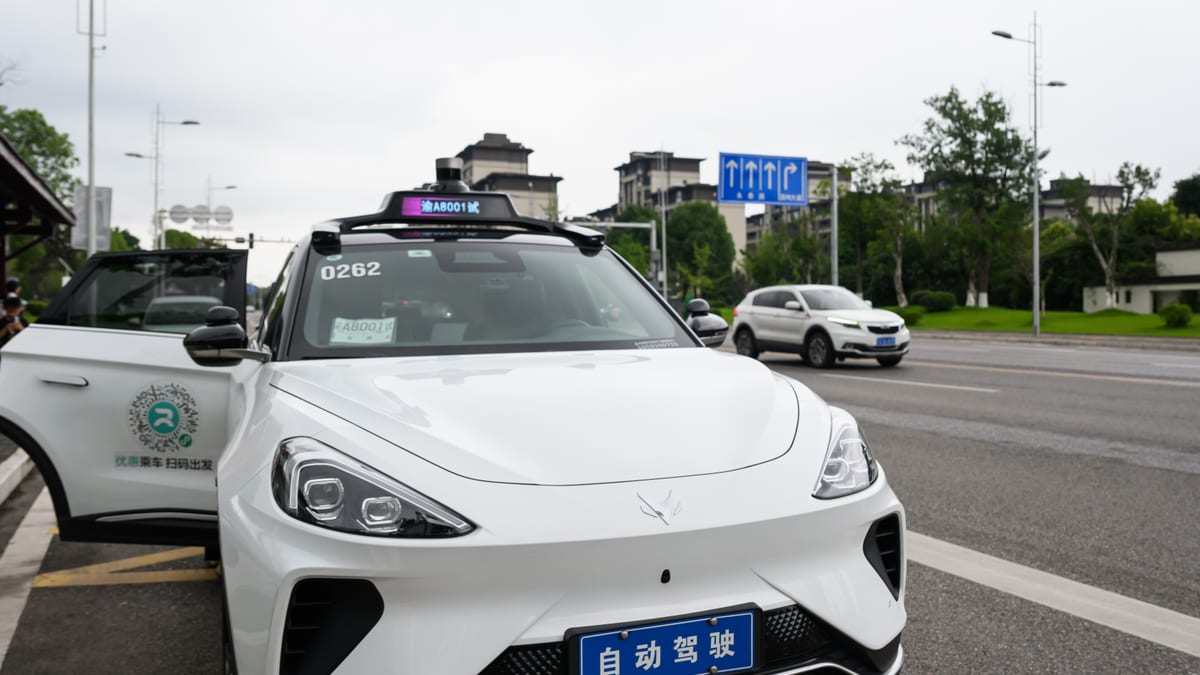
Mass Halt Hits Baidu’s Apollo Go Fleet
Publicly available information indicates that the disruption occurred on the evening of March 31, when a large number of Baidu’s Apollo Go robotaxis reportedly came to a simultaneous halt on elevated highways and major roads across Wuhan. Initial statements cited in news coverage describe a system malfunction or system failure that caused the vehicles to stop where they were, in some cases in active traffic lanes.
Reports from Chinese and international outlets suggest that more than 100 vehicles were affected across the city, making it one of the largest known single incidents to hit an operational robotaxi fleet. Some cars were left stationary on busy ring roads with trucks and other vehicles passing on both sides, while others stalled after routine turns on city streets.
No serious injuries have been reported in connection with the outage, but coverage from regional media points to at least minor collisions as following drivers attempted to react to suddenly halted robotaxis. The scale and visibility of the disruption have added urgency to ongoing debates over how autonomous fleets should be supervised when operating without a human driver.
Passengers Trapped in Lanes and Elevated Highways
Passengers inside the stalled vehicles described experiences in which journeys abruptly stopped, on-screen messages referenced a driving system malfunction, and promised assistance did not materialize for extended periods of time. According to accounts summarized in local and international reports, some riders waited up to two hours before help arrived, while others were eventually able to exit on their own when it appeared safe to do so.
In some cases, vehicles reportedly came to rest on elevated expressways, where passengers were hesitant to leave the car because of fast-moving traffic and the lack of safe walkways. Media coverage recounts how stranded riders repeatedly used in-car SOS buttons and customer service functions in the Apollo Go app, often struggling to reach a human operator as call volumes spiked.
Videos circulating on Chinese social platforms, and later referenced in foreign reporting, show strings of branded robotaxis stopped nose-to-tail in lanes, with human drivers attempting to merge around them. Observers noted that the incident illustrated how quickly an autonomous fleet problem can turn into a broader traffic and safety challenge, especially in dense, high-speed corridors.
Questions Raised Over System Resilience and Emergency Protocols
Analysts following the sector note that an outage affecting dozens of vehicles at once suggests a centralized software or network issue rather than isolated hardware failures. Some Chinese technology media have cited unnamed technical explanations, including suggestions that automatic safety checks may have triggered shutdowns in response to abnormal conditions, but detailed findings have not yet been made public.
The episode has renewed attention on the robustness of robotaxi control systems and the fallback options available when vehicles lose connectivity or encounter unexpected situations. Industry observers point out that autonomous fleets depend on a complex mix of onboard computing, remote monitoring, high-definition maps and cellular networks, any of which can become a single point of failure if not designed with sufficient redundancy.
The Wuhan disruption follows earlier high-profile incidents involving robotaxis in other cities, including power-related stoppages affecting Waymo vehicles in San Francisco, which also led to stalled cars and localized gridlock. Comparisons in technology and business media highlight a common thread: while individual vehicles may be designed to enter a safe state when things go wrong, simultaneous stoppages across a fleet can create new risks that current regulations and emergency plans may not fully address.
Regulatory Scrutiny and Industry Response
Baidu’s Apollo Go service has been promoted as a flagship example of China’s progress in autonomous driving, with publicly reported figures citing millions of completed rides and large-scale deployments in cities including Wuhan. The company has previously emphasized a strong safety record, pointing to extensive testing mileage and continuous software updates across its fleet.
In the wake of the Wuhan outage, regulatory and policy discussions reported in Chinese and international media are focusing on whether existing oversight is adequate for services that operate without a human driver. Commentators have raised questions about requirements for real-time remote supervision, maximum response times for stranded passengers and standards for how and when riders may safely exit a stalled autonomous vehicle in live traffic.
Specialists quoted across recent coverage suggest that authorities are likely to look closely at emergency coordination between robotaxi operators, police, and road management agencies. Key points of interest include how quickly problems are detected at the fleet level, how passengers are informed and guided during an incident, and what procedures exist for physically removing disabled vehicles from dangerous locations.
Implications for Travelers and the Future of Robotaxis
For travelers and local residents who have embraced self-driving taxis as a convenient alternative to traditional ride hailing, the Wuhan incident underscores both the promise and the fragility of the technology. On ordinary days, services like Apollo Go offer app-based booking, contactless rides and predictable routing; on the night of the outage, riders instead faced confusion, delays and a sudden reliance on human intervention to restore normal conditions.
Travel and technology analysts observe that such episodes can temporarily dent public confidence, especially among first-time users or visitors unfamiliar with a city’s road network. However, they also note that large-scale disruptions often become turning points that drive improvements in software, redundancy and customer communication, much as major airline or rail outages have historically led to new safeguards and contingency plans.
Future passengers using autonomous taxis in Wuhan and other pilot cities may encounter clearer in-car instructions on what to do if a vehicle stops unexpectedly, more prominent emergency buttons and more proactive notifications through apps when a system-wide issue arises. Industry watchers expect operators to refine how vehicles prioritize pulling over to the safest possible spot and how quickly remote teams can intervene when multiple cars encounter the same fault.
As cities worldwide weigh the benefits of driverless mobility against its emerging risks, the Wuhan robotaxi shutdown is likely to serve as a reference point in debates over how fast to expand autonomous fleets and what protections must be in place for those who ride in them. For now, the incident stands as a reminder that even highly automated transport systems still depend on human planning, oversight and trust from the passengers they carry.