

More news on this day
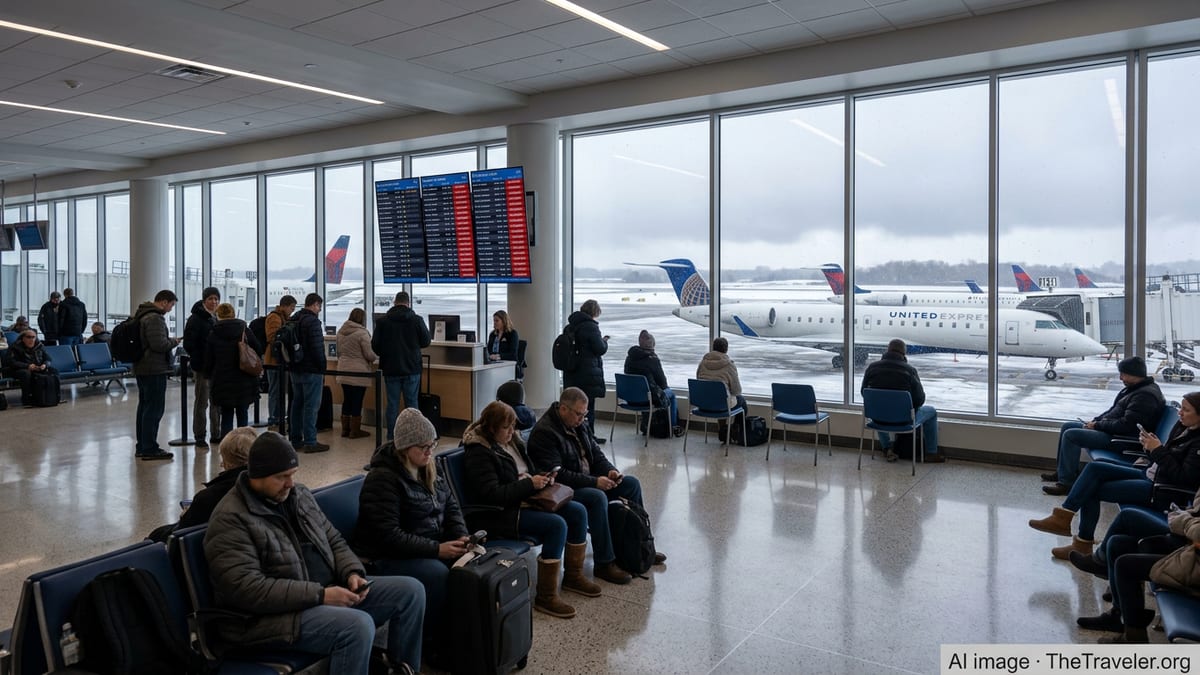
Passengers using Rochester International Airport in Minnesota are contending with a tougher season of cancellations and delays, as regional airline cutbacks, weather-disrupted hubs and broader strains in the U.S. aviation system converge on one of the Upper Midwest’s key small-city airports.
Get the latest news straight to your inbox!
A Regional Airport Under Pressure
Rochester International Airport, located about seven miles south of downtown Rochester, serves primarily as a regional gateway, with flights connecting through major hubs such as Minneapolis–St. Paul and Chicago. Publicly available information shows that scheduled service is concentrated among a small number of carriers operating regional jets, leaving the airport more exposed when any single route or aircraft is disrupted.
Recent years have seen airlines rework their route maps, with some services to and from Rochester reduced or withdrawn when demand or staffing fell short. Industry coverage indicates that regional routes throughout the Midwest have been particularly vulnerable as airlines consolidate traffic through larger hubs and retire smaller regional aircraft. For travelers, that has translated into fewer daily departures and less redundancy when weather or technical issues arise.
Aviation data for the broader U.S. network points to a system still struggling to balance demand with available crews, aircraft and air traffic control resources. Federal notices and transportation reports describe persistent staffing challenges at key control centers and a pattern of nationwide disruption days in which thousands of flights are delayed or canceled. On those days, small airports such as Rochester often experience disproportionate impacts because they sit at the end of complex connecting chains.
Local travelers report that while Rochester can feel calm and efficient on quiet days, the margin for error is thin. When a single inbound aircraft is late or a hub experiences a ground stop, the airport’s limited schedule offers fewer alternative flights to rebook disrupted passengers the same day.
Weather, Hubs and the Winter 2025–26 Disruptions
This winter has highlighted how vulnerable Rochester’s air service can be to broader weather systems. A series of strong storms across the Midwest and Northeast in late 2025 and early 2026 led to widespread cancellations nationwide, including at major hubs that handle Rochester’s connecting traffic. National coverage of the January and February winter storms described one of the most disrupted winter periods in recent years, with tens of thousands of flights canceled or delayed across the country.
Even when severe weather does not directly hit southeastern Minnesota, it can still ground aircraft at Minneapolis–St. Paul, Chicago or other hubs, stranding the planes and crews that would otherwise operate Rochester flights. Travel industry tracking from early 2026 shows repeated instances of regional routes being scrubbed when aircraft could not reposition in time after storms or ground delays elsewhere.
Passengers flying through Rochester have reported last-minute cancellations at the gate after boarding times were posted, as aircraft arriving from affected hubs failed to operate. According to publicly shared passenger accounts, some flights were canceled after travelers had already passed through security, underscoring how quickly conditions can change when upstream legs are disrupted.
Forecast discussions and local advisories for southeast Minnesota have repeatedly warned of fast-moving winter systems and hazardous roads leading into Rochester. For passengers, that means factoring in not only the risk that their flight might be canceled, but also that driving to and from the airport could become difficult on short notice when snow or ice moves through.
Why Smaller Airports See More Scratches
Travel and aviation analysts note that smaller regional airports like Rochester often see a higher percentage of cancellations compared with large hubs, even when the raw number of affected flights is lower. With only a handful of daily departures on certain routes, airlines have less flexibility to swap crews or aircraft after a disruption, and they may prioritize keeping larger hub-to-hub flights running.
Industry guides explaining airline cancellation decisions emphasize the role of aircraft and crew rotations. A delay earlier in the day at a major airport can leave an aircraft out of position for an evening departure from a smaller city. If there is no spare plane or crew available locally, the carrier may cancel the regional leg altogether rather than risk compounding delays along the network.
Regional jets, which form the backbone of Rochester’s scheduled service, also operate close to crew duty limits on busy days. When crews reach their maximum legal working hours due to weather or congestion delays, airlines often cancel later flights to remain compliant. Publicly available operational summaries indicate that these constraints have been a recurring factor in U.S. disruptions since the pandemic recovery period.
Rochester’s relative proximity to Minneapolis–St. Paul can influence how airlines handle disruptions. Some itineraries are rebooked via ground transportation to the larger hub for onward flights, especially when there is little chance of operating a replacement aircraft out of Rochester the same day. While that can ultimately get passengers to their destinations, it often means longer travel days and sudden changes in plan.
What Current Conditions Mean for Travelers
For travelers planning to use Rochester International Airport in the coming weeks, publicly available schedules and weather outlooks suggest that conditions may remain variable through the end of the winter season. Federal planning documents for winter 2025–26 reference continued air traffic staffing constraints and an expectation of elevated disruption risk during peak travel periods and active weather patterns.
Recent coverage of nationwide delay days shows that even moderate storms can cascade across the system when aircraft and crews are tightly scheduled. Those cascades can quickly reach Rochester, where a single canceled inbound flight may erase the only same-day option to a particular hub. This is especially important for travelers with time-sensitive connections to long-haul international flights or critical appointments in major cities.
Travel data services advise that passengers using small regional airports build in more buffer than they might at large hubs, particularly during winter and summer extremes. For Rochester flyers, that can mean avoiding last outbound flights of the day, scheduling important meetings for the morning after arrival, and allowing extra time between domestic and international connections at hubs such as Minneapolis–St. Paul or Chicago.
Passengers should also be prepared for changing patterns as airlines refine their schedules. Bankruptcy proceedings and network adjustments by some low-cost carriers have already reshaped service at airports in upstate New York, and similar carrier decisions in the broader region can influence how connecting traffic is routed through Rochester and its hubs.
How Passengers Can Reduce the Impact of Delays
While individual travelers cannot control airline staffing levels or winter storms, they can take practical steps to reduce the sting of cancellations and delays at Rochester International Airport. Aviation and consumer travel resources consistently recommend monitoring flights closely through airline apps, enabling notifications, and checking both departure and inbound aircraft status on the day of travel.
Booking earlier flights in the day can increase the odds of successful rebooking if something goes wrong, because later departures may still have open seats. Choosing slightly longer layovers at hubs, rather than tight connections, can also help absorb minor delays that might otherwise cause missed onward flights, especially when connecting to evening departures from larger airports.
Travel guidance also suggests understanding each airline’s policies on rebooking, hotel vouchers and meal credits before departure. Many carriers provide flexibility during significant weather or operational events, but the details vary by fare type and route. Knowing in advance what compensation or options might be available can help passengers make faster decisions if their Rochester flight is suddenly canceled.
Finally, passengers are encouraged by consumer advocates to consider alternative plans when traveling during high-risk periods. That might include allowing an extra day of travel ahead of major events, keeping flexible hotel reservations near hubs, or, for some regional trips, weighing the trade-offs of driving to a larger airport when forecasts or national disruption patterns suggest an elevated chance of cancellations.