

Rochester, New York is not the most expensive city in the Northeast, but it is not a rock bottom bargain either. Hotel rates track business and university calendars, attraction fees are comparable to other mid sized American cities and everyday costs like meals and transport can add up if you do not plan ahead. Whether you are visiting for the Rochester International Jazz Festival, a college tour, a Lake Ontario getaway or a leaf peeping weekend, understanding what things cost will help you build a realistic budget and avoid surprises once you arrive.
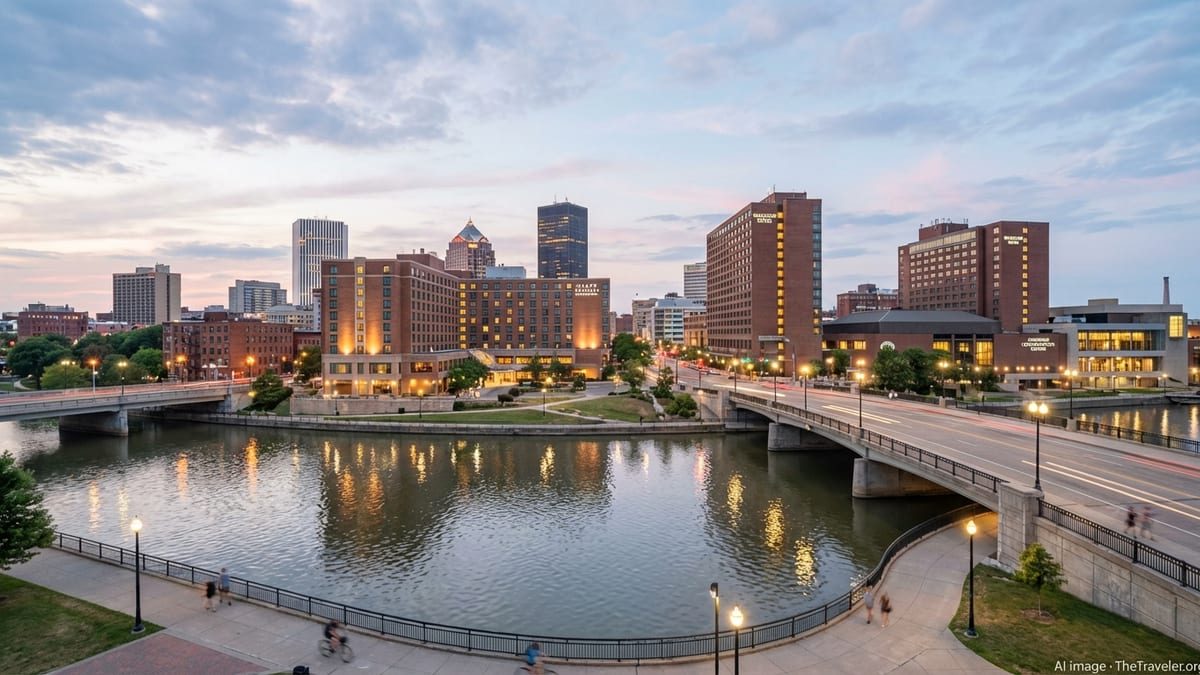
Understanding Overall Travel Costs in Rochester
Rochester sits in western New York on the south shore of Lake Ontario, with a strong higher education, health care and technology base that shapes local prices. Compared with New York City or Boston, hotel and restaurant rates feel moderate, yet they typically run higher than many smaller upstate towns. Visitor numbers into downtown have been climbing steadily, and that uptick in demand has started to push peak season prices higher, especially around major events and summer weekends.
Federal per diem rates give a useful benchmark for what a typical visitor might expect to spend. For the 2024 to 2025 fiscal year, the United States General Services Administration set the standard Rochester lodging per diem at about the low to mid 130 dollars per night, with a separate allowance of around 80 dollars per day for meals and incidentals. That figure reflects the government’s view of an average business appropriate hotel and everyday dining, not the cheapest room in town or a splurge stay at a boutique property.
In practice, many visitors find that total daily costs land somewhere near those guideposts if they choose a mid range hotel, eat at casual sit down restaurants and use public transport or a rental car sparingly. Very budget conscious travelers can come in under that level by choosing simple motels, cooking some meals and focusing on free outdoor activities. Those who favor upscale hotels, cocktails and concerts most nights will naturally spend more.
Seasonality has a clear influence on prices. Summer, especially late May through August, tends to be the most expensive window for hotels. Rates usually ease in the colder months, although key dates such as university graduations in May, homecoming weekends and major festivals can create small spikes even in shoulder seasons. Building flexibility into your travel dates is one of the most effective ways to manage your overall Rochester budget.
Hotel Prices by Neighborhood and Season
Over the last year, average nightly hotel rates in Rochester have typically hovered around the low 100 dollars on quieter weeknights, climbing to the 120 dollars or higher range on Saturdays, with certain popular months seeing significantly higher averages. Travel booking data shows that May can be one of the priciest times to visit, with average rates sometimes jumping toward the mid 200 dollars range around graduation and early summer peak demand. January, in contrast, tends to post the lowest averages, often just over 100 dollars per night before taxes and fees.
Location plays a major role in what you will pay. Downtown Rochester and nearby neighborhoods such as East End and St Paul Quarter host a cluster of business oriented hotels within walking distance of the Rochester Riverside Convention Center, the Eastman School of Music and key offices. These properties typically command higher rates, especially midweek when conferences and corporate travel fill rooms. Expect mid range chain hotels downtown to run approximately 130 to 200 dollars per night most of the year, with boutique or higher end options edging above that on busy dates.
A short drive away, suburban areas such as Henrietta, Greece, Irondequoit and the vicinity around Greater Rochester International Airport often offer lower nightly rates. Limited service hotels and motels along major routes can dip well under 130 dollars on many dates, particularly outside peak summer weekends and university events. Families and road trippers who do not mind a brief drive into downtown can often save a meaningful amount by staying in these zones.
If you are looking to reduce hotel costs, consider arriving on a Sunday night or during midweek in winter or early spring. Booking windows matter as well. In Rochester, some travel data suggests that prices on certain properties may soften closer to the arrival date as hotels work to fill remaining inventory, though the trend is not universal. As always, waiting for a last minute deal comes with the risk of limited choice, especially if you are targeting a specific neighborhood or require parking and breakfast included.
Budgeting for Popular Attractions and Activities
Rochester’s main attractions lean heavily toward museums, family experiences and outdoor spaces. Many of the city’s signature cultural institutions charge admission fees comparable to other northeastern cities, while parks and waterfront areas remain free to access. Planning ahead by checking opening hours and admission policies can help you balance paid experiences with no cost exploring.
The Strong National Museum of Play, one of Rochester’s best known draws for families, typically prices general admission in the moderate range for a major museum, with discounts for children, seniors and members. The George Eastman Museum, housed in the historic home of the Kodak founder, currently lists adult museum admission in the low 20 dollars range, with reduced pricing for seniors and students and free entry for very young children. Special film screenings at the museum’s Dryden Theatre carry a separate ticket, generally around the low teens for adults.
Animal lovers often make time for Seneca Park Zoo, set along the Genesee River Gorge. Recent gate admission rates hover in the mid teens for adults, slightly less for seniors and preteen visitors, with children under a certain age admitted free. Booking online in advance can shave a couple of dollars off those figures. Additional seasonal experiences, such as special exhibits or after hours events, may carry their own pricing.
Beyond ticketed attractions, Rochester offers a rich menu of low cost or free activities. Walking or cycling along the Genesee Riverway Trail, visiting High Falls, wandering the landscaped grounds of Highland Park or exploring neighborhood public art does not require an entry fee. During summer, local festivals, outdoor concerts and public markets often provide entertainment where your primary expense is food from vendors or optional purchases rather than admission itself.
Transportation Costs Within the City
Rochester’s size makes it compact enough to navigate without renting a car, though a vehicle can be useful if you plan to explore the Finger Lakes region or Lake Ontario shoreline in depth. For visitors staying downtown and focusing mainly on city attractions, a mix of walking, rideshare and public bus service can keep transportation costs relatively modest.
The city’s primary public transit provider, RTS, operates fixed route buses under the RTS Connect name. The base fare for these regular buses remains around 1 dollar per ride, with fare capping that ensures riders using electronic payment will not pay more than roughly 3 dollars per day or about the mid 50 dollars per month. For occasional visitors, this means that even several rides in a single day should cost only a few dollars in total, making the bus an economical way to travel between neighborhoods when routes line up with your plans.
RTS also runs an On Demand service in designated zones, priced higher than standard buses. Recent changes have raised adult fares on these flexible shuttles to about 3 dollars per ride, with plans for further gradual increases over the next couple of years. Seniors, children and riders with disabilities pay reduced On Demand fares, while certain eligible groups, such as some paratransit users and veterans with specific passes, continue to ride at no charge. Visitors who expect to rely heavily on On Demand trips should build those higher per ride costs into their daily budget.
Rideshare services such as Uber and Lyft operate in Rochester, with short in town trips often ranging from around 10 to 20 dollars depending on distance, time of day and surge pricing. Traditional taxis are less common than in larger metropolitan areas but remain available at the airport and some hotels. If you opt to rent a car, factor in not just the daily rental rate but also gasoline, which tends to track state and national averages, and potential parking fees at downtown hotels or in city garages, which may add several dollars per day.
Food, Drink and Daily Expenses
Rochester’s dining scene blends long standing diners and pizzerias with newer chef driven restaurants and an established craft beer culture. Prices scale with the style of venue you choose. Visitors who stick to casual cafes, food trucks and neighborhood pubs can usually keep meal costs within a manageable range, while fine dining, wine bars and frequent coffeehouse stops will push daily spending higher.
As a rough guide, a basic fast food or takeout meal might run in the low teens per person, while a casual sit down lunch at a local restaurant could land around 15 to 25 dollars including tax and a non alcoholic drink. Dinner at a mid range spot, with an entree and shared appetizer, will often total 25 to 40 dollars per person before tip, depending on your choices. In higher end restaurants or fashionable cocktail bars, it is easy to spend considerably more, particularly if you order multiple courses or craft beverages.
The federal meals and incidentals per diem of about 80 dollars per day suggests what a typical business traveler might reasonably spend on three meals plus small extras like coffee, snacks and modest tips. Budget travelers can undercut that figure by choosing free hotel breakfasts, cooking some meals in an extended stay property or prioritizing inexpensive local specialties. Rochester’s famous late night plate style comfort dishes, for instance, are usually priced for students and shift workers rather than luxury diners, making them a filling and cost effective choice.
Do not forget to factor in sales tax and tipping customs. New York State and local sales taxes add a noticeable but not overwhelming percentage to restaurant bills and retail purchases. For table service dining and bar service, plan to leave a gratuity in the range of 15 to 20 percent of the pre tax amount, which is standard in the United States and forms a significant portion of service staff income.
How Costs Change by Season, Events and Trip Style
Rochester’s four distinct seasons have a clear impact not just on weather but also on trip budgets. Summer brings warm temperatures, outdoor festivals and school holidays, which collectively drive higher demand for hotel rooms and certain attractions. As a result, you can expect to pay more for accommodation from late May through August, particularly on weekends and during major events like the Rochester International Jazz Festival.
Autumn is popular with travelers who want to experience fall foliage in the Finger Lakes and along Lake Ontario. Hotel rates can stay elevated through peak foliage weeks, especially in October, though early fall weekdays sometimes offer a sweet spot where weather remains pleasant but prices begin to dip. Winter, by contrast, often means significant discounts on hotel rooms, as cold and snow reduce casual tourism. Savvy visitors willing to bundle up can find some of the best lodging deals of the year in January and February, while still enjoying indoor attractions such as museums and theaters.
Trip style also heavily influences what you spend. A couples getaway built around concerts, wine bars and boutique hotels will naturally cost more per day than a family road trip focused on picnics, playgrounds and a value oriented chain hotel. Solo travelers may find that fixed costs like hotel rooms and car rentals make their per person expenses higher, even if they spend less on food and activities. Groups that share rooms and ride together can spread those base costs more efficiently.
When planning, consider creating separate budgets for lodging, food, transport and activities rather than thinking in one lump sum. This approach makes it easier to adjust. For instance, if you decide to splurge on a downtown hotel within walking distance of everything, you may be able to offset that decision by relying on free attractions and cooking some meals. Conversely, if you secure a good deal on a suburban hotel, you might choose to allocate more to museum tickets or a special dinner.
Money Saving Tips for Rochester Visitors
Keeping Rochester travel costs under control starts with flexibility. If your schedule allows, aim for midweek stays outside peak summer and major university event dates. Monitoring hotel prices across several weeks or months can reveal patterns and help you pounce on favorable rates. Properties near the airport or along the interstates often advertise competitive packages including parking and breakfast, which can lower your effective nightly cost.
On the activities front, look for combination tickets, museum membership offers that provide immediate discounts, or special free admission days. Some cultural institutions run reduced price evenings or seasonal promotions, especially outside the summer high season. Public parks, scenic drives along the Genesee River, and window shopping in neighborhoods such as the Neighborhood of the Arts or Park Avenue offer plenty of entertainment at little to no cost.
Transport is another area where small choices add up. If you stay in a walkable part of downtown, you may be able to forgo a rental car entirely, relying instead on low cost bus fares and the occasional rideshare. When you do need a car, compare daily parking fees across hotels, as these can vary and may offset a seemingly lower room rate. If you intend to use RTS On Demand frequently, budgeting for the higher per ride fare and grouping activities geographically can reduce the number of trips you need.
Finally, think strategically about food. Hotels that include breakfast can significantly shrink your daily dining budget. Visiting local supermarkets for snacks, picnic supplies and drinks instead of relying solely on mini bars and cafes will also cut expenses. Seeking out neighborhood diners, ethnic eateries and food trucks in place of only eating in high traffic downtown spots can both lower your costs and add variety to your culinary experience.
The Takeaway
Rochester delivers a balanced value proposition for travelers. Hotel rates and attraction fees fall in a moderate range by northeastern United States standards, and a mix of free outdoor spaces and paid cultural institutions means you can tailor your itinerary to match your budget and interests. Federal per diem benchmarks around the low 130 dollars per night for lodging and roughly 80 dollars per day for meals offer a useful reference point, though careful planners can certainly travel for less.
To keep your Rochester trip affordable, pay close attention to timing, neighborhood choice and transportation strategy. Shifting your stay by a week or choosing a suburban hotel, riding fixed route buses instead of relying solely on on demand services and balancing a few big ticket attractions with free parks and waterfront strolls can all help control costs without sacrificing experience. With realistic expectations and a clear sense of what things cost, you can enjoy Rochester’s museums, music, food and lake influenced landscapes without overspending.
FAQ
Q1. Is Rochester an expensive city to visit compared with other New York destinations?
Rochester is generally more affordable than New York City or many Hudson Valley hotspots, with hotel and restaurant prices that fall in a moderate, mid range bracket.
Q2. How much should I budget per day for a mid range Rochester trip?
Many visitors find that a daily budget roughly in line with federal per diem levels, around 130 dollars for lodging and 80 dollars for meals and incidentals, works for a comfortable mid range stay.
Q3. What is a typical price for a hotel room in Rochester?
Average nightly rates often fall just above 100 dollars on quieter nights and can reach 120 dollars or more on busy weekends, with downtown and boutique hotels costing extra.
Q4. When are hotel rates cheapest in Rochester?
Hotel prices tend to be lowest in winter months like January and February and on midweek nights outside major events, while late spring and summer weekends are usually the most expensive.
Q5. How much do major Rochester attractions cost?
Many museums and family attractions charge moderate admission, often in the mid teens to low 20 dollars range for adults, with discounts for children, students and seniors.
Q6. Can I get around Rochester without renting a car?
Yes. Central neighborhoods are walkable and the RTS bus system offers low cost fixed route service, supplemented by rideshare and higher priced On Demand shuttles.
Q7. What should I expect to pay for meals in Rochester?
Casual meals often run 15 to 25 dollars per person, while mid range dinners typically cost 25 to 40 dollars before tip, with fast food and diners offering cheaper options.
Q8. Are there many free things to do in Rochester?
Yes. Parks, riverfront trails, public art, historic neighborhoods and seasonal festivals provide ample low cost or free activities, especially in the warmer months.
Q9. How can I keep transportation costs low during my visit?
Staying in a central area, using 1 dollar RTS Connect buses, walking whenever possible and grouping activities by neighborhood will help minimize transport spending.
Q10. Do prices in Rochester change a lot during festivals and university events?
Yes. Events like the Rochester International Jazz Festival and university graduations often push hotel rates higher and reduce availability, so booking early or choosing alternate dates can save money.