

Rochester, New York rewards travelers who plan around its powerful seasons. Set on Lake Ontario and shaped by lake effect weather, this upstate city can feel completely different from one month to the next. With a bit of timing strategy and local know-how, you can enjoy lilacs in bloom, cool lake breezes, or cozy winter culture without being caught off guard by snow squalls or biting wind chill.
Understanding Rochester’s Four Distinct Seasons
Rochester’s climate is quintessentially northeastern, with clear, shifting seasons and a strong influence from nearby Lake Ontario. Winters are long and snowy, springs are cool and gradual, summers are comfortably warm rather than sweltering, and autumn arrives with crisp air and vivid foliage. Because conditions can vary sharply from one season to the next, choosing when to visit is one of the most important decisions in planning your trip.
Winter, roughly from December through February, is the most demanding period for visitors who are not accustomed to snow and cold. Average high temperatures in January and February hover near or below freezing, and Rochester often experiences significant lake effect snow that can quickly reduce visibility and cover roads. Storm systems can bring dangerous wind chills and bursts of heavy snow, which is why many tourism experts consider midwinter the toughest time for casual sightseeing.
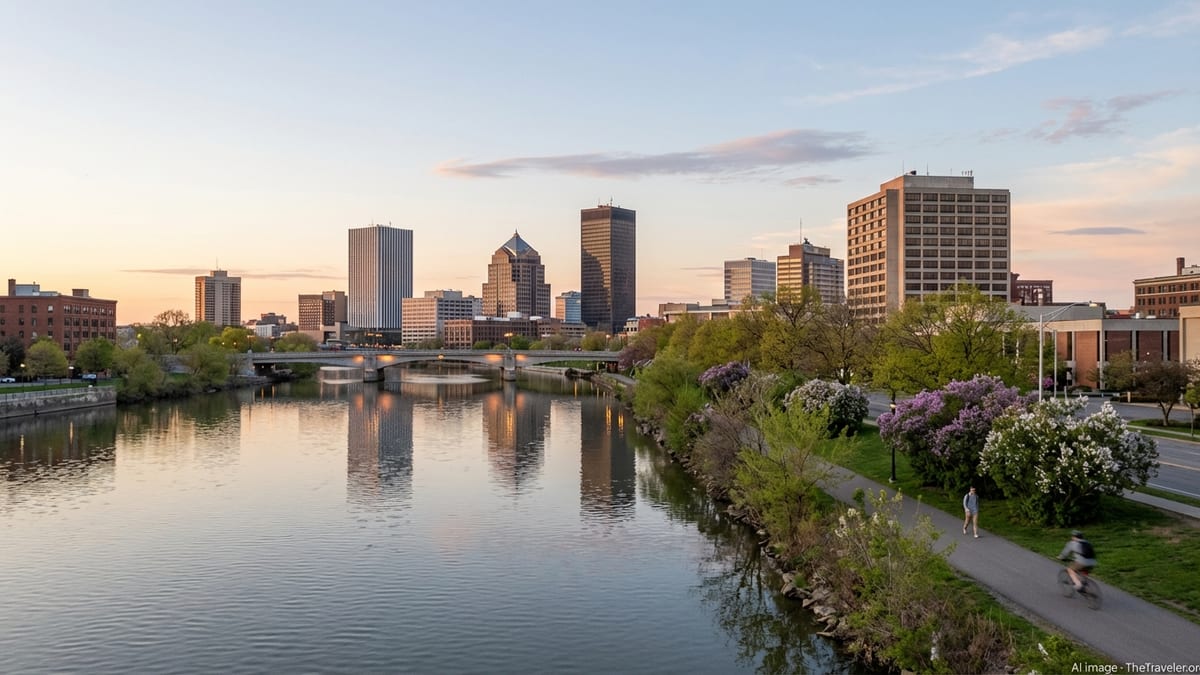
Spring in Rochester, from March to May, unfolds slowly. Early March can still feel wintry, but temperatures rise steadily into the 60s Fahrenheit by late May. As the snowpack recedes and days grow longer, the city’s parks and neighborhoods begin to show color, culminating in peak lilac bloom in May. Travelers who can tolerate occasional chilly rain showers and variable temperatures are rewarded with fewer crowds than in midsummer.
Summer and early fall, from June through September, are the most consistently pleasant months for outdoor activities. Daily highs in June through August are typically in the 70s to low 80s Fahrenheit, warm enough for patio dining, lakefront walking, and festival-going, but rarely oppressive. September often stays comfortable while adding the first hints of autumn color, making it a favorite month for many repeat visitors.
The Best Times of Year to Visit Rochester
If your priority is reliably enjoyable weather and a lively calendar, late spring through early fall is generally the best window to visit Rochester. Travel climatology and tourism data often point to June, August, and September as especially attractive months, with comfortable daytime temperatures and long daylight hours that favor walking, biking, and exploring neighborhoods.
May offers a different kind of appeal as the traditional start of Rochester’s festival season. The city’s signature Lilac Festival typically takes over Highland Park for about ten days in early to mid May, drawing large crowds to see one of the most extensive lilac collections in North America along with live music and food vendors. This period combines floral spectacle with relatively mild, if sometimes changeable, weather, so a flexible packing list is wise.
Fall visitors, particularly in late September and October, enjoy cooler temperatures and colorful foliage across Monroe County and nearby Finger Lakes communities. Daily highs step down from the 70s into the 50s and 60s Fahrenheit, which can feel brisk with wind off the lake. Tourism tends to be slower than in midsummer, which can translate into more competitive hotel rates and lower pressure on restaurant reservations, especially on weeknights.
For budget-focused travelers, the coldest winter months can bring the lowest prices on lodging and airfare but at the cost of challenging conditions. Snow and freezing temperatures may limit outdoor sightseeing and shorten day trips, so winter visits work best for travelers who either enjoy snow sports, plan primarily indoor cultural activities, or are visiting friends and family who can help with local driving and logistics.
Month-by-Month Weather: What to Expect
From January through March, Rochester is firmly in winter mode. Average January highs are below freezing, and February often features the heaviest monthly snowfall of the year, with frequent lake effect events. Roads are plowed efficiently, but visibility can drop quickly in heavier bands, and sidewalks can stay icy. By March, temperatures start to climb into the 40s Fahrenheit on many days, yet snow and slush are still part of daily reality.
April and May feel transitional. In April, daytime highs around the 50s Fahrenheit become more common, but chilly rain, gusty wind, and an occasional late snow shower are still possible. May typically sees highs in the 60s and low 70s, which many visitors find ideal for walking in parks and along the riverfront. Nights can still be cool, especially early in the month, so a lightweight insulated jacket or warm layer is useful even when days feel springlike.
June through August bring the warmest and sunniest stretch of the year. June usually offers highs in the 70s to low 80s Fahrenheit, with comfortable humidity compared to many U.S. cities. July and August are the warmest months, but heat waves above the mid 80s are less frequent than in larger downstate or Mid-Atlantic cities. Showers and thunderstorms are common in summer, so visitors should expect a few rainy or stormy afternoons mixed into an otherwise pleasant period.
From September into November, temperatures gradually slide downward. September commonly retains summer warmth at midday with cooler evenings, making it one of the most balanced months for outdoor dining and hiking. October brings highs in the 50s and 60s and the peak of fall foliage, along with more frequent rain. By November, highs often fall into the 40s, and the first persistent snowfalls can arrive, especially late in the month, signaling the return of winter conditions.
Lake Effect Snow and How It Affects Travel
Rochester’s winter character is defined by lake effect snow, a weather pattern that forms when cold air passes over the relatively warmer waters of Lake Ontario. Moisture and heat from the lake feed narrow, intense snow bands that can drop several inches of light, fluffy snow in a short period over localized areas. This means conditions can differ dramatically over short distances, with heavy snow in one suburb and light flurries or even sunshine in another.
For visitors, the practical consequence of lake effect snow is rapid change. A day that begins with bare pavement can see roads covered within an hour if a snow squall moves through. Visibility can drop suddenly, especially on east west routes exposed to crosswinds, and wind chill can fall well below the air temperature. Local meteorologists and news outlets closely track lake effect events, and short term forecasts and alerts are widely available on television and mobile apps.
If you plan a winter trip, it is wise to build flexibility into your itinerary. Leave extra time between activities, especially if they involve driving beyond the city core, and consider scheduling longer day trips on more stable days between storms. When a snow squall warning or similar alert is in effect, postponing nonessential driving and waiting for the band to pass is the safest option, as these bursts of heavy snow are often brief, even if total accumulation over a weekend can be significant.
Travelers who are not used to winter driving may prefer to rely on taxis, ride share services, or hotel shuttles during or immediately after storms rather than renting a car. Side streets and residential areas are typically cleared after main routes, so central hotels and attractions along major roads are often easier to reach in poor conditions than more isolated locations.
Getting Around: From Airport to City and Beyond
Rochester is served by Frederick Douglass Greater Rochester International Airport, located only a few miles southwest of downtown and the University of Rochester. Travel time from the terminal to central hotels is typically about ten to fifteen minutes by car in normal traffic. Taxis, ride share services such as Uber and Lyft, and private shuttle operators all serve the airport from the lower level ground transportation area, giving arriving passengers multiple options at any hour.
For visitors on a tighter budget, local transit can be an option depending on arrival time. The regional bus system operated by Rochester RTS runs regular routes between the airport area and downtown transit hubs during most of the day, with schedules that evolve periodically as the agency adjusts services. It is important to check current timetables and any construction related detours shortly before travel, as service patterns and exact route numbers can change.
Within the city, Rochester RTS provides fixed route service and on demand zones across the broader metropolitan area. Riders can pay fares with cash, prepaid bus passes, reloadable transit cards, mobile ticketing, and, more recently, tap to pay options using compatible bank cards or smartphones, while daily fare caps help keep costs predictable. This system makes exploring popular corridors and key destinations feasible without a car, especially during daylight hours.
That said, many visitors find a car useful for reaching attractions beyond the core city, such as lakeside towns along Lake Ontario or wineries and state parks in the nearby Finger Lakes region. If you rent a car, map out parking options in advance for downtown and neighborhood visits, since some streets use time limited or permit parking. In winter, check lodging policies on snow emergencies and alternate side parking, which can go into effect after major storms.
Packing Smart for Rochester’s Changing Conditions
Given Rochester’s variable weather, packing decisions can make the difference between a comfortable trip and an uncomfortable one. In winter, visitors should think in terms of layers and wind protection. A warm, insulated coat, a hat that covers the ears, insulated gloves, and a scarf or neck gaiter are essential for spending any time outdoors, particularly when wind chill dips well below freezing. Waterproof or water resistant boots with good traction are strongly recommended, since snow and slush accumulate on sidewalks and at street corners.
Spring and fall require adaptable wardrobes. In March and April, a medium weight jacket, sweaters or fleeces, and waterproof shoes are useful, along with a compact umbrella. By May, lighter layers are appropriate, but evening temperatures can still drop quickly, especially near the lake. In October and November, plan for similar layering with an emphasis on wind and rain protection as showers become more frequent and temperatures cool.
Summer visitors can pack lighter, focusing on breathable fabrics for warm days, plus a light jacket or sweater for cooler evenings or air conditioned interiors. Comfortable walking shoes are important year round, as many of Rochester’s attractions, from its riverfront promenades to museum districts, are best enjoyed on foot. Regardless of season, a small day bag for carrying a water bottle, an extra layer, and weather gear will make it easier to adapt as conditions shift during the day.
Electronics and travel documents can also benefit from basic weatherproofing. Simple measures like using water resistant pouches, keeping a spare plastic bag in your day pack, and packing an extra pair of dry socks can be surprisingly helpful after an unexpected downpour or slushy walk. During winter, when road salt and melting snow are common, consider bringing older shoes for heavy walking days and reserving nicer footwear for evenings.
Local Safety and Comfort Tips Across the Seasons
Rochester is a welcoming city where most visitors experience a safe and enjoyable stay, but its climate and urban layout reward common sense. In winter, the primary safety concerns are slippery surfaces and low wind chills. Black ice can form on shaded sidewalks, bridge decks, and parking lots even when streets appear clear. Taking smaller steps, using handrails where available, and choosing footwear with good tread can reduce the risk of slips. On very cold days, limit exposed skin and take frequent indoor breaks to warm up.
Summer visitors should be aware that while Rochester is milder than many U.S. cities, periodic heat and humidity can still cause fatigue, particularly for travelers walking long distances or carrying luggage. Hydrating regularly, wearing sun protection, and seeking shade during the warmest part of the afternoon can keep outings comfortable. Lake breezes often provide natural cooling in waterfront areas, but they can also make evenings feel cooler than the thermometer suggests, so a light layer is always useful.
Like any mid sized urban area, Rochester includes neighborhoods that range from very quiet to more active and densely packed. Visitors often stay in and around downtown, the East End, Park Avenue, or near the university campuses, all of which see regular pedestrian activity and are accustomed to tourists and students. Standard precautions apply: keep valuables secure, stay aware of your surroundings at night, and use marked crosswalks when navigating busy intersections.
In all seasons, consider building a small weather cushion into your schedule. Allow extra time to travel to the airport after a snowstorm or heavy rain, and avoid booking very tight connections between regional buses, trains, and flights. Local news stations and weather apps are good resources for short term forecasts that can help you adjust plans by a few hours or a day to make the most of Rochester’s more pleasant conditions.
The Takeaway
Rochester rewards travelers who respect its climate and lean into its seasonal character. From snowy streets and glowing windows in January to fragrant lilacs and festival crowds in May, and from sunlit river walks in July to fiery foliage in October, each time of year offers a distinct experience. The key is to choose your travel window based on your comfort with cold, your interest in specific events, and your flexibility with weather dependent activities.
If you prefer mild temperatures and active city life, target late spring through early fall, when outdoor dining, concerts, and park strolls are easiest to enjoy. If you are drawn to snow, winter lights, and quieter museums and cafes, a carefully planned cold season visit can be equally rewarding, provided you pack warmly and leave room in your schedule for weather delays. With realistic expectations, smart packing, and a bit of local insight, you can navigate Rochester’s changing skies and make the most of your time in this Lake Ontario city.
FAQ
Q1. What is the best month to visit Rochester for comfortable weather?
Many visitors find June and September the most comfortable, with warm days, cooler nights, and fewer temperature extremes than midsummer or winter.
Q2. How cold does Rochester actually get in winter?
From December through February, daytime highs are often around or below freezing, and wind chills can periodically drop well below zero Fahrenheit during cold snaps.
Q3. Is it safe to drive in Rochester during lake effect snow?
Locals drive year round, but visitors should be cautious; driving can become hazardous during intense snow bands, so slowing down or delaying trips is often wise.
Q4. Do I need a car to get around Rochester as a visitor?
A car is helpful for exploring suburbs and the Finger Lakes, but buses, ride shares, and walkable neighborhoods make car free trips possible, especially for short stays.
Q5. What should I pack for a spring visit in April or May?
Plan for layers: a medium weight jacket, sweaters, waterproof shoes, and an umbrella, plus lighter clothing for milder afternoons and cooler park walks.
Q6. Are Rochester’s major festivals held rain or shine?
Most large events, including spring and summer festivals, proceed in light rain, with adjustments only for severe weather, so bring a rain jacket or poncho.
Q7. Is Rochester very humid in summer compared with other U.S. cities?
Rochester can feel humid at times, but many visitors find it less oppressive than larger East Coast or Mid Atlantic cities that see more frequent heat waves.
Q8. How reliable is public transit for airport to downtown transfers?
Buses can be a budget friendly option when schedules align, but travelers with late night or very early flights often prefer taxis, ride shares, or shuttles.
Q9. What footwear is best for visiting in winter?
Waterproof or water resistant boots with good traction are strongly recommended for walking on snowy sidewalks, slushy street corners, and icy parking lots.
Q10. Is fall a good time to combine Rochester with Finger Lakes sightseeing?
Yes, September and October are excellent for pairing Rochester’s urban attractions with nearby Finger Lakes drives, wineries, and foliage views in cooler air.