

Rochester and Syracuse sit just ninety minutes apart in upstate New York, sharing deep snow, Great Lakes influences and postindustrial roots. Yet for travelers, they offer distinctly different energies, neighborhoods and experiences. Whether you are planning a weekend city break, a scouting trip for a move or a base for exploring the Finger Lakes, it helps to understand how these two mid-sized cities compare.
Overall Vibe and First Impressions
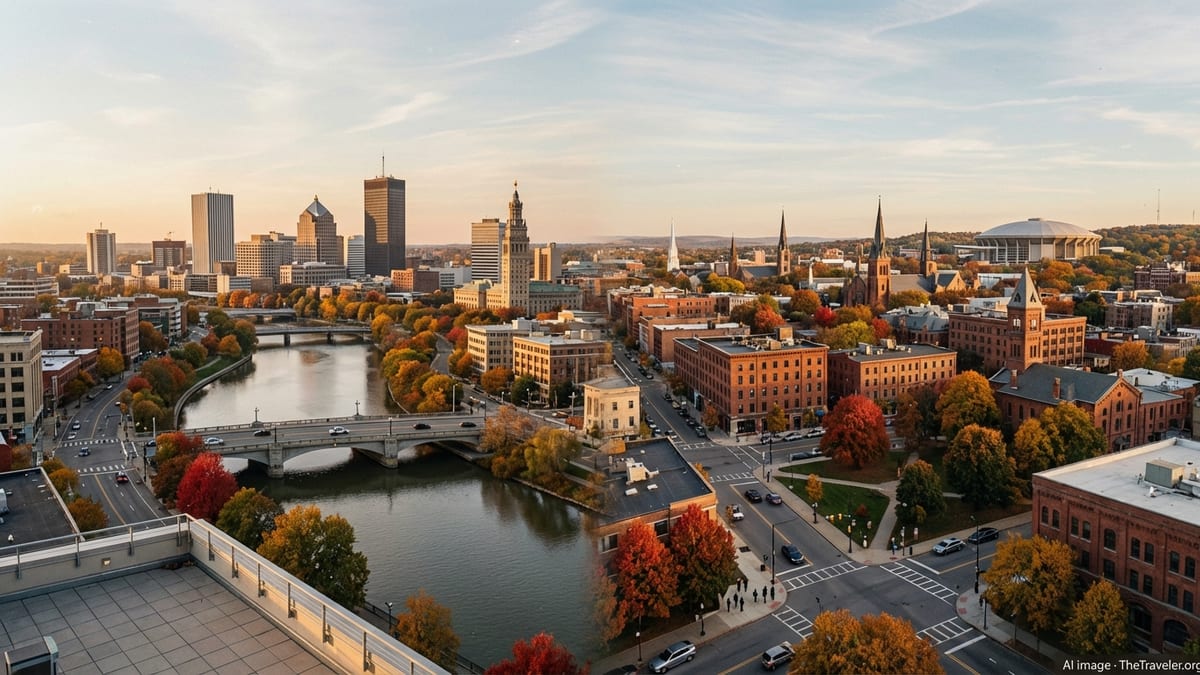
At first glance, Rochester reads as a larger, slightly more polished city with a spread-out feel along the Genesee River and the southern shore of Lake Ontario. Its downtown core is compact but the city’s character really emerges in surrounding neighborhoods, where tree-lined streets, brick houses and pocket commercial districts give it a residential, lived-in feel. Travelers often notice an under-the-radar creative streak: murals, indie coffee shops and small galleries woven into ordinary blocks.
Syracuse, by contrast, feels more tightly centered on its historic downtown and the presence of Syracuse University. Hills rise quickly from the valley floor, so many neighborhoods offer views over church spires, the Carrier Dome and rows of early 20th-century homes. The city’s vibe is equal parts college town energy and old industrial grit, softened by a strong sense of local pride. Visitors will encounter more orange-and-blue sports jerseys, more student crowds and a denser, walkable core.
Rochester tends to appeal to travelers looking for a low-key but cultured city break: museums, music, coffee, breweries and easy launches into wine country and lakefront parks. Syracuse is often the choice for those drawn to big events like basketball games, the New York State Fair or live music festivals, or for travelers who prefer a compact center where many attractions cluster within a short walk or quick ride.
Both cities retain the feel of “real” upstate New York: this is not a curated resort region, but a slice of everyday life, with four intense seasons, loyal local businesses and communities that have weathered economic ups and downs and continue to reinvent themselves.
Location, Climate and Outdoor Access
Geographically, Rochester sits directly on Lake Ontario, with the Genesee River running north through gorges and waterfalls before emptying into the lake. Syracuse lies inland to the east, near the northern end of the Finger Lakes region and just south of Oneida Lake. Driving between the two on the New York State Thruway takes roughly an hour and a half in clear conditions, making it possible to base in one and day-trip to the other.
Both cities have classic upstate winters, but Syracuse is particularly known for heavy lake-effect snow because of its position relative to Lake Ontario and prevailing winds. Winter storms can drop a foot or more of snow in short bursts, and the city routinely ranks among the snowiest in the United States for its size. Rochester also gets serious winter weather, but the snow totals and frequency are generally a bit lower on average. Travelers visiting from late November through March should expect real winter in both cities and plan flexible driving times, but may find Rochester’s conditions slightly less extreme.
When it comes to outdoor access, Rochester has a strong advantage in immediate lakefront and riverfront experiences. Ontario Beach Park, the Genesee Riverway Trail and county parks with waterfalls put hiking paths and scenic overlooks within minutes of downtown. The city is also a comfortable gateway to Letchworth State Park, widely known for its deep gorge and series of waterfalls, and to state parks along the southern Lake Ontario shore.
Syracuse is better positioned for quick access to the Finger Lakes wine region and rolling countryside to the south. Within an hour’s drive, travelers can reach Skaneateles, Cayuga and other scenic lakes, vineyards, and state parks with ravines and waterfalls. The Erie Canalway Trail and Onondaga Lake Park add biking and walking options closer to the city. Outdoor enthusiasts will find both cities a practical base, but Rochester leans toward lake and river scenery while Syracuse is ideal for those prioritizing the Finger Lakes and canal history.
Culture, Museums and Things to Do
Rochester’s cultural offerings are surprisingly robust for its size, a legacy of industrial wealth and philanthropic investment. The city is closely associated with photography and film due to the legacy of Eastman Kodak, reflected in the George Eastman Museum, which combines grand historic mansion, landscaped gardens and world-class photography collections. Families gravitate to the Strong National Museum of Play, a large interactive museum focused on play, toys and games. Smaller institutions, galleries and theaters, plus an active music scene, round out a varied cultural calendar.
Syracuse has a more compact but diverse set of attractions concentrated downtown and near Armory Square. The Erie Canal Museum, housed in a historic weighlock building, offers an accessible introduction to the canal that helped shape New York’s growth. Nearby, the Milton J. Rubenstein Museum of Science and Technology brings hands-on science exhibits and a modern domed theater to the city’s Armory building. Historic public spaces around Clinton Square and Columbus Circle, with their monuments, churches and courthouse, give visitors a strong sense of the region’s architectural and civic history.
Both cities host high-profile annual events. Syracuse stands out for the New York State Fair, a multi-day, late-summer event regarded as one of the largest state fairs in the country, with rides, agricultural exhibits, concerts and regional food. The Syracuse Jazz Festival further underscores the city’s musical identity, drawing nationally known performers and large crowds in a typical year. Rochester, meanwhile, is internationally known among jazz fans for the Rochester International Jazz Festival, which transforms downtown venues and streets into a multi-night celebration of live music, along with other festivals celebrating photography, film, and the arts.
Travelers deciding between the two should consider their interests. If museums oriented toward photography, play and local industrial history appeal, Rochester is a strong choice. If you are especially interested in canal history, science centers and large state-level events like the New York State Fair, Syracuse may be more compelling. In practice, there is enough overlap in concerts, theater and local events that either city can support a culture-focused weekend, especially outside of the quietest winter weeks.
Neighborhoods, Walkability and Urban Character
Rochester’s neighborhoods are spread across a gentle grid, with the downtown core encircled by older residential and mixed-use districts. Park Avenue and the Neighborhood of the Arts are especially appealing to visitors, with walkable streets lined with cafes, boutiques, and early 20th-century houses. The South Wedge adds a slightly edgier, creative feel with bars, restaurants and colorful murals. While Rochester’s downtown has pockets of new development, many travelers find its most engaging experiences just beyond the core, in these streetcar-era neighborhoods that feel local, diverse and relaxed.
Syracuse’s most recognizable neighborhood to visitors is probably Armory Square, a rehabilitated warehouse district filled with restaurants, bars and loft-style buildings. It sits adjacent to other downtown blocks anchored by historic civic spaces like Clinton Square, where winter ice skating and public events are common, and Columbus Circle, ringed by churches and government buildings. A short drive or bus ride moves you up the hill to the Syracuse University campus and the University Hill area, which adds student-focused shops, eateries and a classic college-campus atmosphere.
In terms of walkability, both cities offer compact cores where you can park once and explore on foot. Syracuse feels a bit more concentrated, with Armory Square, the Erie Canal Museum, Clinton Square and several key monuments and civic buildings all within a relatively tight radius. Rochester’s urban attractions are more spread, though once you choose a neighborhood like Park Avenue or the South Wedge, you can easily spend an afternoon on foot. Travelers who enjoy strolling natural waterfronts will appreciate Rochester’s river and canal trails, while those who enjoy wandering historic plazas and urban squares may prefer Syracuse.
Urban character differs in more subtle ways. Rochester often feels slightly more residential and quietly creative, its street life influenced by a broader suburban region that commutes in. Syracuse’s identity is visibly tied to its university and to high-profile sports, as well as to downtown’s role as a regional civic and cultural center. Both have visible signs of reinvention, with older industrial buildings converted to housing, coworking spaces and creative businesses, but they present that story at slightly different scales and rhythms.
Food, Drink and Nightlife
Upstate New York has a particular food culture, and both Rochester and Syracuse provide an education in its regional specialties. Rochester is often associated with the “Garbage Plate,” a layered combination of macaroni salad or home fries topped with burgers or hot dogs, mustard, onions and meat sauce. Visitors will find variations of this late-night staple at diners and casual spots around the city. Rochester’s Italian and Polish roots appear in bakeries, pizzerias and neighborhood delis, while newer restaurants emphasize seasonal produce from nearby farms, modern American menus and international flavors.
Syracuse’s food scene leans heavily into comfort foods and classic pub fare, with regional favorites like salt potatoes, chicken riggies and hearty sandwiches featuring prominently on local menus. The city’s student population and sports culture support a sizable number of bars, pizza places and casual eateries around Armory Square and University Hill. Travelers during the New York State Fair or jazz festival will encounter an even wider range of festival foods, from fried classics to regional specialties.
Both cities have seen growth in craft breweries and small-batch beverage producers. Rochester’s brewery trail is relatively expansive and includes taprooms housed in former industrial buildings and neighborhood storefronts. Its proximity to the Finger Lakes means wine bars often highlight local Rieslings and other cool-climate varietals. Syracuse offers its own cluster of breweries and beer-focused pubs, plus easy access to Finger Lakes wineries to the south and east. Cocktail bars and coffee shops in both cities offer a level of quality that surprises some first-time visitors who may still associate the region mainly with traditional diners and chains.
Nightlife tends to skew younger and more concentrated in Syracuse because of the university presence, with busy evenings when the Orange are playing and steady bar traffic during the academic year. Rochester’s nightlife is more diffused across neighborhoods and can feel quieter, though live music venues, jazz clubs and bar districts in the East End and South Wedge provide options well into the night, particularly on weekends and during festivals.
Costs, Lodging and Practicalities
Both Rochester and Syracuse are relatively affordable compared with many coastal U.S. cities, which is part of their appeal to first-time homebuyers and remote workers. For travelers, this translates into hotel rates, dining costs and entertainment prices that are generally moderate, especially outside peak event periods such as major university sports weekends, festivals and the New York State Fair. Recent analyses of housing markets have highlighted both cities as comparatively budget-friendly places to live, with Rochester often edging out Syracuse as slightly less expensive overall, though specific rankings and percentages vary by source and by category.
In terms of lodging, each city offers a familiar mix of national-brand hotels downtown and near the interstates, plus smaller independent options, bed-and-breakfasts and short-term rentals in residential neighborhoods. Rochester has more river- and lake-adjacent properties, as well as boutique-style accommodations in historic buildings near the East End and Park Avenue. Syracuse provides convenient options around Armory Square and the university, along with hotels near the New York State Thruway and the regional mall areas. Visitors who value being able to walk to restaurants and nightlife may want to prioritize Armory Square or Park Avenue-adjacent hotels.
Travelers arriving by air will find that both cities are served by their own airports, with Rochester’s Frederick Douglass Greater Rochester International Airport and Syracuse Hancock International Airport offering nonstop flights to a mix of major hubs and leisure destinations. Rochester currently lists around a couple of dozen nonstop destinations, including connections to large East Coast and Midwest hubs, while Syracuse maintains a similar profile with service from major carriers and budget airlines. Flight availability and pricing can fluctuate seasonally, so travelers may wish to price both airports and compare, especially if renting a car for a broader upstate New York itinerary.
On the ground, both cities are easiest to explore by car, particularly if you intend to visit outlying parks, wineries or small towns. Local bus systems operate in each city and can be useful for short hops, especially in Syracuse between downtown and the university area. Rideshare services are widely available, although coverage in outlying rural areas can be inconsistent late at night or in severe weather. Parking is generally straightforward compared with larger cities, though event days near stadiums, festival venues or the State Fairgrounds can require extra time and patience.
Sports, Festivals and Seasonal Considerations
Syracuse has an outsized reputation in college sports, centered on Syracuse University’s programs in basketball, football and lacrosse. Home games at the JMA Wireless Dome (commonly still called the Carrier Dome by many fans) draw substantial crowds, lending a charged atmosphere to the city on game days. Street life in Armory Square and around the university shifts noticeably when the Orange are playing, with sports bars filling early and staying busy late. For travelers drawn to the energy of big collegiate events, this can be a major reason to choose Syracuse.
Rochester’s sports scene flies a bit more under the national radar but offers a variety of professional minor league teams in hockey, baseball and soccer, along with strong collegiate and amateur athletics. For travelers, that often means easier access to tickets, family-friendly stadiums and lower prices, plus the feeling of joining a loyal local fan base. Sports are part of daily life rather than a dominating presence, and schedules vary enough that visitors can often catch a game without extensive advance planning.
Festival calendars in both cities are packed from late spring through early fall. The Rochester International Jazz Festival is one of the city’s signature events, drawing internationally known artists and throngs of music fans who spill into nearby restaurants and bars. Additional festivals celebrate everything from photography and film to local food and seasonal harvests. Syracuse’s headline event is the New York State Fair, a late-summer tradition drawing hundreds of thousands of visitors for concerts, midway rides and agricultural displays. The city’s jazz festival, cultural parades and neighborhood street fairs add more texture to the calendar.
Seasonality matters for travelers. Late spring through early fall is the most comfortable period in terms of weather, with warm, sometimes humid summers and colorful autumn foliage. Winter offers its own appeal, particularly for travelers who enjoy snowy scenes, ice skating and cozy pub evenings, but it also brings real challenges. Lake-effect storms can disrupt highway travel, especially in and around Syracuse, and both cities experience cold temperatures and icy sidewalks. Visitors who plan winter trips should build in flexible schedules, choose centrally located lodging and be prepared with proper clothing and footwear.
The Takeaway
Choosing between Rochester and Syracuse as a traveler is less about finding a “better” city and more about matching each place’s strengths with your interests and travel style. They share a broad regional culture, challenging winters and a legacy of manufacturing and innovation, yet the focus and flavor of each city are distinct.
Rochester suits visitors who prioritize a strong museum lineup, neighborhood exploration, river and lakefront scenery, and a quietly sophisticated food, coffee and craft beer scene. It feels a bit larger and more spread out, with pockets of creative energy set amid residential streets and postindustrial landscapes. Access to Lake Ontario parks, waterfalls and the “Grand Canyon of the East” at Letchworth State Park make it especially appealing to travelers who want to mix city time with natural vistas.
Syracuse, on the other hand, shines as a compact, event-driven destination with a deep college sports culture. Its downtown squares, monuments and museums are tightly clustered, and the university’s presence infuses the city with youthful energy. The New York State Fair, jazz and cultural festivals, and proximity to the Finger Lakes give travelers plenty of reasons to time their visit strategically. For many, the prospect of joining an orange-clad crowd in and around the dome is a central part of Syracuse’s draw.
For road-trippers and flexible travelers, the most satisfying option may be not to choose at all. With only about ninety minutes of highway between them, Rochester and Syracuse can easily form a two-city itinerary: a night or two in each, sampling neighborhoods, museums, independent eateries and small surprises that never make it into glossy brochures. Taken together, they offer a nuanced portrait of upstate New York, rewarding those who travel slowly, ask questions and look beyond the snow forecasts to the vibrant communities living here year-round.
FAQ
Q1. Which city is better for first-time visitors, Rochester or Syracuse?
For many first-time visitors, Rochester offers a slightly broader mix of museums, neighborhoods and waterfront scenery, while Syracuse appeals if you are aiming for a specific event such as a Syracuse University game or the New York State Fair. The better choice depends on whether you prefer a museum- and neighborhood-focused city break or an event-centered, compact downtown experience.
Q2. Is Rochester or Syracuse cheaper for travelers?
Both cities are relatively affordable by U.S. standards, especially compared with major coastal metros. Overall costs for lodging, meals and entertainment are often similar, but Rochester is frequently cited as somewhat less expensive in terms of housing and some everyday expenses. For short stays, the difference may be modest, though visitors may notice slightly better value in Rochester outside peak festival or sports weekends.
Q3. Which city has worse winter weather?
Both cities face harsh winters, but Syracuse is especially known for heavy lake-effect snow due to its position relative to Lake Ontario. Rochester also receives significant snowfall and cold temperatures, though its totals are often slightly lower on average. Travelers visiting between late November and March should be prepared for snow and potentially challenging driving in either city, with particular caution around Syracuse during active lake-effect events.
Q4. Which city is better if I want to visit the Finger Lakes?
Syracuse is somewhat closer to several of the eastern and central Finger Lakes, making it a convenient base for day trips to places such as Skaneateles and Cayuga Lake. Rochester is still within reach of western Finger Lakes destinations but has a stronger immediate connection to Lake Ontario and the Genesee River corridor. If vineyards and lakeside small towns are your focus, Syracuse may be slightly more convenient, while Rochester is ideal if you want lakefront and gorge scenery closer at hand.
Q5. Is it easy to get around without a car?
Both cities have local bus systems and compact downtowns, so you can explore central neighborhoods, museums and dining districts without a car. However, many of the region’s best parks, wineries and lakefront areas are not well served by transit. Travelers who want to explore beyond the core will find renting a car the most flexible option, especially in winter or for evening outings. For strictly urban stays anchored in downtown or key neighborhoods, taxis and rideshares can cover many needs.
Q6. Which city has better nightlife?
Syracuse tends to feel livelier on game days and during the academic year, with dense bar and restaurant clusters around Armory Square and the university. Rochester’s nightlife is more spread out across neighborhoods like the East End and South Wedge, with a strong emphasis on live music, craft beer and smaller venues. Travelers seeking high-energy sports bar scenes might favor Syracuse, while those drawn to jazz clubs, breweries and neighborhood bars may gravitate toward Rochester.
Q7. Are Rochester and Syracuse safe for tourists?
As in many mid-sized U.S. cities, both Rochester and Syracuse have a mix of very safe areas and neighborhoods where visitors should be more cautious, particularly at night. Tourist-friendly districts, downtown cores and well-known residential neighborhoods see regular foot traffic and active community oversight. Basic urban safety practices, such as staying aware of your surroundings, securing valuables and sticking to well-lit streets after dark, are generally sufficient for most travelers.
Q8. Which city has better access by air?
Rochester and Syracuse each have their own airports with nonstop flights to several major U.S. hubs and popular leisure destinations. Neither functions as a large international gateway, but both offer reasonable access for domestic travelers. Flight options, fares and schedules change seasonally, so it is wise to compare both airports if your itinerary is flexible, particularly if you plan to rent a car and explore the wider region.
Q9. Can I visit both cities in one trip?
Yes, combining Rochester and Syracuse in a single trip is straightforward. The drive between them is roughly ninety minutes on the New York State Thruway, making it easy to spend two or three nights in each city or to choose one as a base and day-trip to the other. This approach allows travelers to experience Rochester’s museum and waterfront strengths alongside Syracuse’s university culture, canal history and event-driven energy.
Q10. When is the best time of year to visit?
Late spring through early fall is generally the most comfortable window, with milder temperatures, active festival calendars and open lakefront attractions. Summer brings warm days and busy event schedules, while autumn offers colorful foliage and harvest season in nearby wine regions. Winter travel can be rewarding for those who enjoy snow and quieter streets but requires flexibility due to occasional storms and colder conditions, especially in and around Syracuse.