

More news on this day
Royal Caribbean International is doubling down on Asia with a freshly announced 2026–27 season from Hong Kong, unveiling marquee new cruises that link Japan and South Korea in one itinerary and signal a decisive bet on the region’s post-pandemic travel surge.
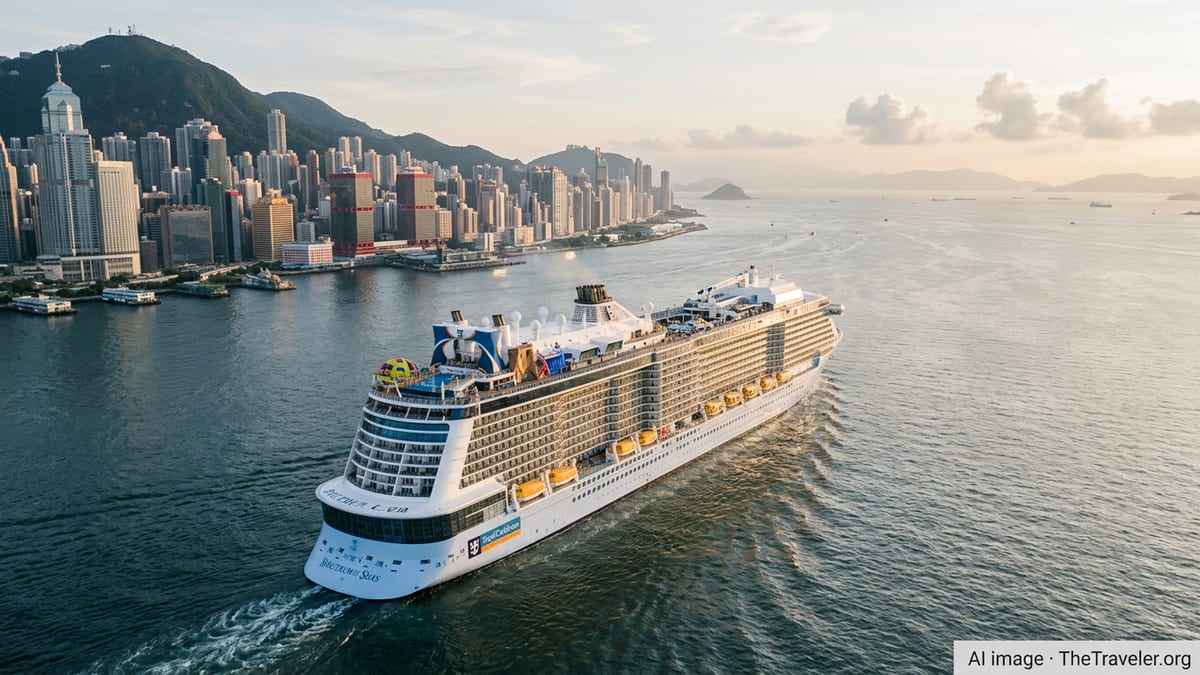
New Hong Kong Homeport Season Anchors Royal Caribbean’s Asia Push
The centerpiece of the announcement is the deployment of Spectrum of the Seas from Hong Kong for the 2026–27 season, building on the strong performance of the line’s earlier Hong Kong program. The company said its recently completed 2025–26 Hong Kong season drew more than 30 percent of guests from long-haul markets including North America, Europe and Australia, a result that helped justify an expanded slate of itineraries for the following year.
Under the new deployment, Hong Kong will remain a strategic gateway for Royal Caribbean’s Asia operations rather than a limited seasonal stop. The cruise line is positioning the city as a key embarkation port for both regional travelers and international fly-cruise guests seeking multi-country journeys that can be packaged with pre- or post-cruise stays in Hong Kong.
The move also restores Hong Kong’s role on the Asian cruise map after years of pandemic-related disruption. Industry observers say the commitment from a major global brand sends a strong signal about the long-term prospects for cruise tourism in the city and across North Asia.
First Combined Japan and South Korea Sailings from Hong Kong
The headline-grabbing development is a new generation of itineraries that combine Japan and South Korea on a single voyage from Hong Kong, including a flagship nine-night “Best of Japan and South Korea” cruise. Sample routings include calls at Kagoshima, Nagasaki and Fukuoka in Japan alongside Busan in South Korea, framed by sea days along the East China Sea and Yellow Sea.
These sailings are designed for travelers who want to experience multiple cultures and coastal landscapes in one trip instead of booking separate cruises or land tours. Passengers can explore volcanic scenery and samurai-era sites in southern Japan, then pivot to seaside promenades, markets and modern cityscapes in Busan, all within a single holiday window.
Royal Caribbean is also highlighting the flexibility of one-way options on some routes, enabling guests to sail between Hong Kong and Tokyo or Osaka with a South Korean port call en route. That allows travelers to combine cruising with independent overland journeys in Japan, or to fly in and out of different cities without backtracking.
Expanded Mix of Short Getaways and Longer Voyages
Alongside the longer Japan and South Korea adventures, the 2026–27 Hong Kong program features a spread of short and medium-length itineraries aimed at both first-time cruisers and repeat guests. Four- and five-night sailings to regional destinations, including Okinawa and Taiwan, sit alongside weeklong and nine-night voyages that reach farther into Japan and South Korea.
The shorter itineraries are tailored to the growing drive-to-cruise and fly-short-break segments across Greater China and Southeast Asia, where travelers are increasingly looking for compact holidays clustered around public holidays and school breaks. For Royal Caribbean, they serve as an entry point to cruising for new customers who may later trade up to the longer, multi-country routes.
For seasoned cruisers and international visitors, the longer Japan and Korea sailings offer more port-intensive experiences, with multiple full days at destination and a handful of sea days that showcase the ship’s facilities. Travel agents in the region are already marketing these itineraries as convenient, visa-simplified alternatives to assembling separate land packages in each country.
Spectrum of the Seas Brings Quantum-Class Hardware to North Asia
Spectrum of the Seas, a Quantum Ultra class ship, will be the hardware linchpin for the Hong Kong deployment. The nearly 5,000-guest vessel is equipped with signature features such as the North Star glass observation capsule, the RipCord by iFly skydiving simulator and the FlowRider surf machine, all of which are being promoted as part of the appeal for multigenerational family groups.
The ship’s design, which includes a sizable proportion of balcony cabins and a dedicated suite enclave, aligns with the expectations of both regional premium travelers and long-haul guests used to large resort-style ships. Royal Caribbean has also configured dining and entertainment offerings with Asia-based travelers in mind, balancing international menus with Chinese and broader Asian cuisines.
Industry analysts note that deploying a ship of this size and specification underscores Royal Caribbean’s confidence in demand recovery. It also raises the bar for the competitive set in North Asia, where other global and regional brands are gradually rebuilding their capacity but have not yet matched the scale of Quantum-class deployment from Hong Kong.
What Travelers Need to Know Before Booking
The new Japan and South Korea cruises from Hong Kong are scheduled across the cooler months in the Northern Hemisphere, typically from late autumn through the winter season. That timing not only helps Spectrum of the Seas avoid the worst of the typhoon season in the region, but also allows guests to experience milder temperatures in ports such as Fukuoka, Nagasaki and Busan.
Travel planners advise prospective passengers to pay close attention to visa and entry requirements, particularly for trips that cross multiple jurisdictions in one itinerary. While many travelers enjoy visa-free or visa-on-arrival access to Japan, South Korea and Hong Kong, conditions can vary by nationality, and regulations have been subject to change in recent years. Booking through agents familiar with Asia cruise documentation is recommended.
With Royal Caribbean’s Hong Kong season now confirmed well in advance, early bookers are likely to see the widest choice of cabin categories for peak holiday sailings, including school breaks and regional festivals. As the line courts both local and international markets with its new combined Japan and Korea routes, yield management is expected to be dynamic, rewarding travelers who are prepared to lock in dates early or remain flexible on sailing weeks.