

More news on this day
Oil’s surge back above $100 a barrel amid war in Iran has hammered cruise stocks from Royal Caribbean to Carnival and raised urgent questions for travelers wondering if their dream voyages are about to get a lot more expensive, or disappear altogether.
Get the latest news straight to your inbox!
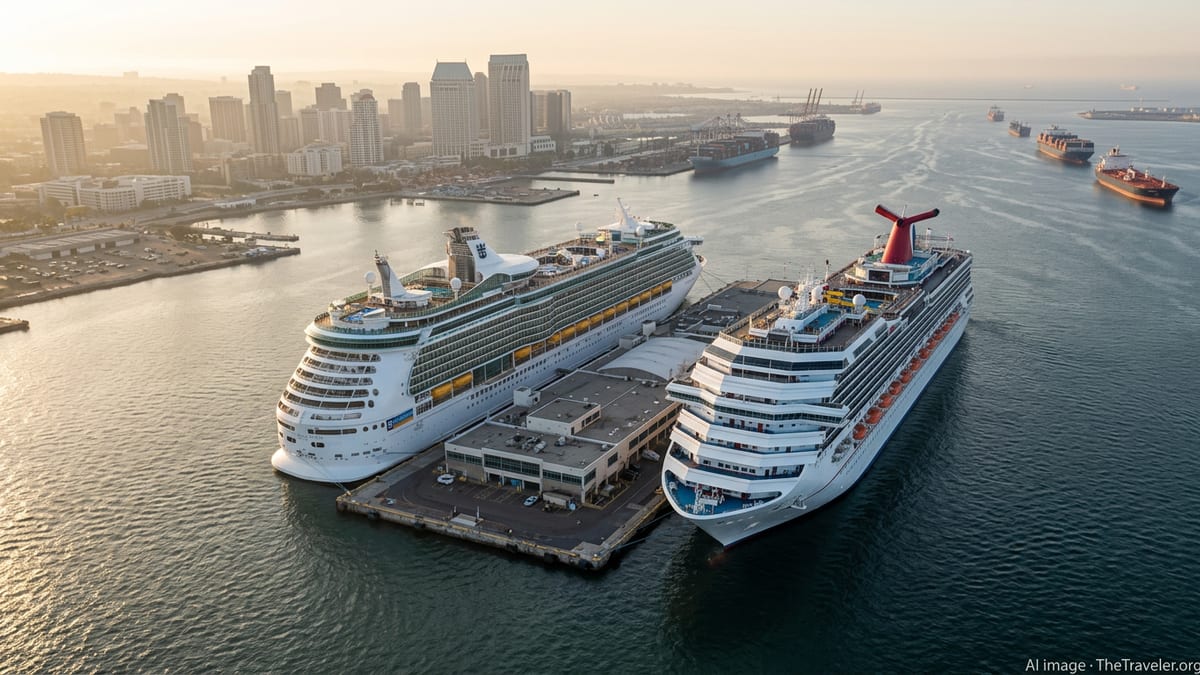
Oil Shock Slams Cruise Stocks
Investors rushed out of travel shares this week as the Iran war sent global energy markets into turmoil and pushed benchmark Brent crude back into triple digits for the first time in years. The spike came as Iranian forces disrupted traffic through the Strait of Hormuz, a narrow chokepoint that carries roughly a fifth of the world’s seaborne oil, reigniting memories of previous energy crises.
Airline and cruise stocks were among the hardest hit. In Monday trading, Royal Caribbean shares fell around 6 to 7 percent, while Carnival lost roughly 7 percent, part of a broader selloff that also dragged down Norwegian Cruise Line and major airlines. The drop reflected fears that fuel, one of the largest costs for both sectors, could stay elevated for months if the conflict widens or shipping lanes remain blocked.
For an industry that spent the past two years enjoying record demand and steadily recovering balance sheets after the pandemic era, the sudden reversal in sentiment has been jarring. Analysts say the market is now repricing cruise lines as if a new, prolonged period of high energy prices has begun, compressing margins just as operators were starting to restore dividends and pay down debt.
Royal Caribbean and Carnival Face Diverging Fuel Risks
The impact of the oil shock is not the same for every cruise operator. Royal Caribbean has historically used a mix of fuel-efficiency measures and partial hedging to manage its exposure, softening the blow from abrupt price swings. Company commentary in recent days suggests it is still reluctant to reintroduce explicit fuel surcharges for passengers, wary of denting demand just as bookings remain robust.
Carnival, by contrast, is currently far more exposed. Recent market research notes that the world’s largest cruise company is effectively unhedged on fuel, meaning each additional dollar in oil prices flows quickly through to its operating costs. With fuel already representing a significant share of expenses, a 20 to 30 percent jump in crude can erode margins unless ticket prices, onboard spending or cost cuts move sharply in the opposite direction.
That difference helps explain why Carnival’s stock has lagged its peers during the latest bout of energy volatility. Investors are watching closely to see whether the company responds with new hedging strategies, capacity tweaks or more aggressive pricing, moves that would signal how seriously management views the risk of a prolonged oil shock.
Will Cruise Lines Add Fuel Surcharges Again?
The question many travelers are asking is simple: Will cruise lines bring back fuel surcharges that haven’t been widely seen since the mid-2000s and the immediate aftermath of the Russia–Ukraine energy shock. Under most ticket contracts, major cruise brands reserve the right to add such fees if benchmark oil prices exceed a specified threshold for a sustained period.
So far, operators have been cautious. Royal Caribbean has indicated that while contract language allows for supplemental charges once fuel surpasses certain levels, it prefers to avoid them and instead use internal hedging and efficiency gains as a first line of defense. Executives fear that suddenly tacking on extra fees could spark a backlash among price-sensitive guests who have grown accustomed to “all in” advertised fares.
Still, if oil’s jump proves sticky, the industry’s options narrow. Companies can try to pass higher costs into future sailings by nudging base fares upward, trimming promotional discounts or leaning more heavily on onboard revenue from drinks, excursions and specialty dining. They can also adjust itineraries to reduce fuel burn by sailing shorter distances or spending more time in port. Fuel surcharges remain a last-resort tool, but one that becomes more likely the longer oil hovers near or above $100 a barrel.
War in Iran Clouds Outlook for Global Travel
The latest shock comes at a time when global tourism had been on track for another record year, with pent-up demand from the pandemic era still driving bookings for cruises, flights and hotels. The war in Iran now threatens to upend that momentum, not only through higher fuel prices but also via wider financial-market turbulence and fresh worries about safety in certain regions.
Energy analysts warn that if Iran’s attacks on shipping and energy infrastructure continue, disruptions could last weeks or months, keeping oil prices elevated and injecting renewed inflation into economies that were just starting to adjust to higher interest rates. For households, rising gasoline and airfare costs can quickly eat into the discretionary budgets that fund big-ticket vacations like cruises.
For the cruise industry, the war’s immediate operational impact is relatively contained, since most large ships had already reduced or suspended calls in the Persian Gulf and nearby ports. But the psychological effect on travelers watching images of missile strikes, burning tankers and spiking gas prices should not be underestimated. History suggests that prolonged geopolitical crises can cool enthusiasm for long-haul trips, even if the ships themselves are sailing far from the conflict zone.
Is Your Dream Cruise Really at Risk?
Despite dramatic stock charts and war headlines, analysts say travelers should not assume their dream cruise is doomed. Demand for sailings in the Caribbean, Alaska, the Mediterranean and other core markets remains strong, and there is no sign of mass cancellations or widespread route suspensions outside the immediate conflict area. Most voyages booked for 2026 are still expected to operate as scheduled.
What is more likely, if high oil prices persist, is a gradual reshaping of the cruise experience rather than its disappearance. That could mean slightly higher fares on future itineraries, fewer ultra-aggressive last-minute discounts, or subtle changes to routes that favor shorter distances and more efficient port clusters. Onboard, companies may push harder to grow revenue per passenger through dining, entertainment and excursions to offset fuel costs.
For would-be passengers, the turbulence in cruise stocks and energy markets is a reminder to read the fine print on fuel clauses, pay attention to payment deadlines and consider travel insurance that covers itinerary changes. But barring a severe global recession or a dramatic widening of the war, industry specialists still expect the world’s big ships to keep sailing. The voyage may just cost a little more fuel to get there.