

More news on this day
Royal Caribbean International is facing fresh scrutiny from guests in the United States and United Kingdom after a wave of confusing emails warning of a “stateroom occupancy error” briefly cut off access to online bookings and raised fears of last-minute cabin changes.
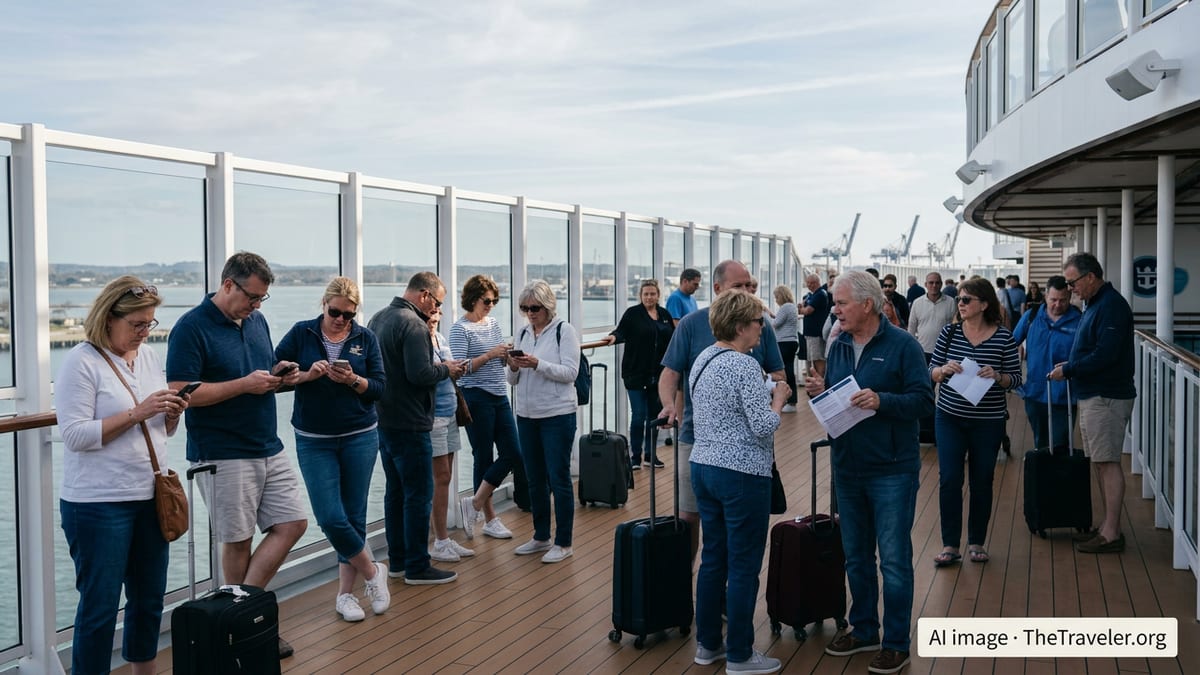
Confusing Alert Warns of Stateroom Occupancy Error
In early March 2026, guests booked on several Royal Caribbean sailings began receiving emails that appeared to flag a serious problem with their cabins. The message, headed “Accommodation review,” informed recipients that their stateroom occupancy details were incorrect and that their reservations might be temporarily inaccessible while the line corrected the issue.
The wording, shared widely on social media and cruise forums, did little to reassure travelers. Many guests in both the United States and United Kingdom said they initially feared their cabins had been reassigned or that they had breached the cruise line’s occupancy rules, potentially putting their holidays at risk.
In reality, the alert appears tied to a back-end update of Royal Caribbean’s reservation systems, affecting how certain rooms are coded for maximum and minimum occupancy. But the lack of plain-language explanation in the email left many guests guessing at whether they faced a minor technical fix or a significant change to their cruise plans.
The confusion grew as some passengers noted that they could still see their bookings in the app or on the website, while others found their staterooms temporarily listed as “GTY,” or guarantee cabins, a status that usually indicates a room type has been sold without an exact cabin assignment.
US and UK Passengers Report Brief Loss of Booking Access
Guests sailing from both US and UK homeports reported similar experiences after the occupancy alert landed in their inboxes. Some were unable to access their booking details or linked cruise planner purchases for several hours at a time, while others said their reservation numbers returned error messages before later reappearing unchanged.
On sailing-specific message boards, passengers booked on Independence of the Seas and other popular Caribbean and European itineraries compared notes, with multiple cruisers confirming that their cabins briefly vanished from view before returning as originally booked. A few reported seeing their cabin categories temporarily recoded, such as from a standard balcony grade to a different internal code, heightening worries of an unannounced downgrade or move.
Travel agents in both markets also shared that they had received parallel notifications, advising that certain staterooms would be undergoing an occupancy review and that clients might temporarily lose online access while the process was completed. Agents who contacted the cruise line’s call centers were typically told the work was routine maintenance rather than a guest-driven error.
For many travelers, however, the timing and tone of the email overshadowed those reassurances. With final payments due and flights already booked for upcoming spring and summer departures, even a short-lived inability to view a reservation has become a flashpoint for customer frustration.
Royal Caribbean Cites System Updates, Not Guest Misconduct
Royal Caribbean has not issued a detailed public statement about the specific occupancy error notice, but staff responding on customer-service channels and in direct calls have characterized the message as part of a wider update to the company’s reservation platforms. According to these explanations, the line is recalibrating how cabins are coded for occupancy limits and guarantee categories, a process that can require temporarily shifting some staterooms behind the scenes.
Contact center representatives have stressed to concerned guests that the alerts do not indicate misconduct, over-occupancy, or a violation of the cruise contract. Instead, most passengers are being told that they will retain their original stateroom assignments once the updates are complete, even if the system briefly shows a guarantee status or an alternative category label.
Behind the scenes, the work likely ties into long-standing rules that allow cruise lines to move bookings when a cabin’s minimum or maximum occupancy does not match the number of guests on the reservation. Royal Caribbean’s published terms give the company the right to reassign guests to a different stateroom of equal or higher category if occupancy thresholds are not met, although such moves are typically handled without dramatic notifications.
In this case, the combination of highly technical back-office work and a terse mass email appears to have magnified the impact. Guests reported that even after calling Royal Caribbean and being told their holidays were safe, the short, legalistic language of the occupancy error alert left them uneasy about possible last-minute changes.
IT Reputation and Customer Trust Back in the Spotlight
The episode has reignited criticism of Royal Caribbean’s technology platforms, which have long been a sore point for frequent cruisers. Travelers regularly trade stories of website glitches, stalled payments, duplicate charges, and difficulty accessing shore excursion or dining reservations, and some say the latest occupancy-related problem fits that pattern.
On online forums, several US and UK guests described the stateroom occupancy alert as “peak Royal IT,” arguing that the underlying maintenance would have attracted far less anger if it had been clearly labeled as a short-term systems update with no impact on cabin assignments. Instead, the choice to emphasize an “error” in occupancy led many to believe they had done something wrong when booking their rooms.
While the operational disruption appears limited, the reputational cost may be higher. Guests weighing whether to spend thousands of dollars on a cruise increasingly expect airline-style digital reliability: real-time reservation visibility, clear status messages, and minimal unexplained outages. Every glitch that appears to threaten those expectations, even briefly, chips away at trust in the brand’s ability to manage its growing fleet and record passenger loads.
For some guests, the incident has become a reminder to keep detailed screenshots of cabin assignments and purchase histories, and to lean on travel agents or loyalty program contacts when digital systems falter. Others have shrugged off the alert as an annoyance rather than a deal-breaker, but say they hope the cruise line will treat this latest misstep as a lesson in clearer communication.
Calls Grow for Clearer Communication and Proactive Support
In the wake of the occupancy error alerts, frequent cruisers and first-time guests alike are calling for Royal Caribbean to overhaul how it communicates system changes that affect bookings. Many argue that a straightforward explanation, acknowledging that the line was updating its reservation software and that cabin assignments would be preserved, could have prevented much of the anxiety.
Customer advocates say the incident highlights the importance of plain language in guest communications, especially when emails reference contractual terms like occupancy and stateroom categories. They also point to the need for synchronized messaging across channels so that call center staff, travel agents, and online FAQs all deliver the same clear guidance when an unexpected alert appears in guests’ inboxes.
For now, most affected passengers in the United States and United Kingdom are being told that their cabins remain intact and that any temporary loss of access was a side effect of maintenance work rather than a sign of broader problems. Yet as cruise itineraries grow more complex and ships sail closer to full capacity, travelers say they will be watching closely to see whether Royal Caribbean’s next round of system updates is handled with more transparency.
With peak holiday and school break periods on the horizon, the line faces a narrow window to reassure guests that its digital infrastructure can keep pace with demand, and that future emails referencing stateroom changes will bring clarity rather than confusion.