

More news on this day
A reported man overboard emergency on Royal Caribbean’s Oasis of the Seas this week was later traced to what passengers described as a teen prank, briefly plunging the ship into panic and renewing concerns about reckless behavior at sea.
Get the latest news straight to your inbox!
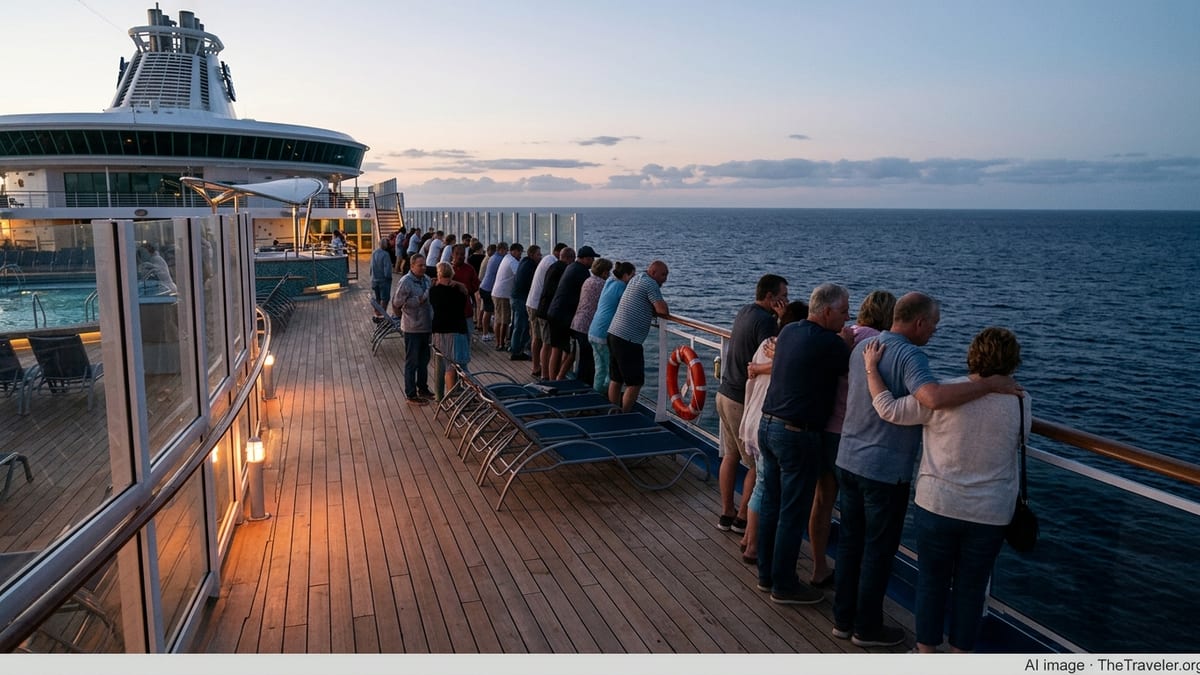
Late-Night Panic After Man Overboard Alert
Accounts shared by passengers indicate the incident unfolded at night on Oasis of the Seas, one of Royal Caribbean’s Oasis-class mega ships. Travelers reported hearing announcements and seeing crew activity consistent with an initial response to a possible person in the water.
According to multiple passenger descriptions posted publicly, the scare began when claims circulated that someone, described in some accounts as a girl, had fallen overboard. Word spread quickly through messages and social media, sending some families racing toward public decks and railings in fear that a real emergency was underway.
One widely shared account described a family member receiving a text suggesting a relative had gone overboard, leading to visible distress among nearby guests. Other travelers recalled a sudden change in mood on board, as conversations and late-night relaxation gave way to confusion about whether a life-or-death situation was unfolding.
Reports from those on board note that the ship did not appear to perform the full suite of maneuvers that accompany a confirmed man overboard case, such as sharp course changes or prolonged slowing, adding to speculation that the situation was being investigated rather than treated as a verified fall into the sea.
Reports Indicate Prank Origin, Not Real Overboard Case
Roughly an hour after initial concern spread, passenger reports indicate that shipboard announcements and informal updates began to clarify that no one had actually gone into the water. One widely circulated account described the captain later advising that the scare appeared to stem from “obnoxious kids” playing a prank rather than a genuine overboard emergency.
Messages and discussion posts from travelers state that the prank involved at least one teenager, with some suggesting that a false claim of someone falling from the ship had been shared among peers and then relayed to adults, who understandably reacted as if it were real. The exact mechanics of the prank have not been fully detailed in public reporting, but the effect on fellow cruisers was immediate and intense.
The clarification that no overboard incident had occurred brought palpable relief, according to accounts from those sailing, yet also sparked anger and disbelief that such a stunt would be attempted in an environment where man overboard alerts can trigger complex search efforts and significant emotional trauma for witnesses.
Publicly available discussions among frequent cruisers in the days since reflect a strong consensus that intentionally causing a man overboard scare is treated as a serious breach of cruise conduct rules, with some contributors noting that similar behavior has led to guests being removed from ships or banned from future sailings.
Man Overboard Protocols and the High Stakes of False Alarms
The incident highlights how sensitive the cruise environment is to any suggestion of a person in the water. Industry guidance and published coverage of past cases show that a confirmed man overboard typically triggers an immediate “Oscar” alarm, rapid maneuvers to circle back to the reported location, deployment of spotters along the decks, and often the launch of rescue boats and coordination with maritime authorities.
Publicly available information from maritime sources indicates that locating someone who has fallen overboard is extremely challenging, especially at night or in rough seas. Survival chances depend on sea conditions, water temperature, visibility, and how quickly the person is spotted. Data shared by cruise industry associations over the past decade shows that only a minority of overboard cases have resulted in successful rescues.
False alarms can complicate these efforts by diverting crew attention and potentially delaying the recognition of a genuine emergency elsewhere on the ship. Even when the vessel’s officers quickly determine there is no confirmed person in the water, the emotional toll on guests who believe they are witnessing a life-threatening situation can be significant.
In online discussions about the Oasis of the Seas scare, some travelers described shaking, crying, or being unable to sleep after racing to public decks to see if they could help. Others noted that children on board were left frightened by the idea that someone might have disappeared into the ocean, only to later learn it was reportedly a prank.
Teen Behavior on Cruises Under Renewed Scrutiny
The episode has contributed to a broader conversation about teen behavior and supervision on large resort ships. In recent months, viral videos and social media posts have captured teenagers climbing balcony railings, dangling over open water, and engaging in risky stunts for attention, including on Royal Caribbean’s largest vessels.
Travel blogs and cruise-focused outlets have documented cases in which guests have faced bans from cruise lines after being filmed jumping from railings or ignoring safety rules near deck edges. These incidents have fueled debate among experienced cruisers about curfews, parental responsibility, and whether cruise lines should impose stricter restrictions on unaccompanied minors, particularly during late-night hours at sea.
In comment threads discussing the Oasis of the Seas scare, some parents reported revisiting safety talks with their children, emphasizing not only physical risks but also the consequences of false alarms. Others argued that pranks involving overboard claims should be treated as grounds for immediate disembarkation and potential legal action, given the resources that may need to be mobilized in a real emergency.
Publicly available guidance from cruise operators typically stresses that tampering with safety equipment, making hoax distress calls, or otherwise interfering with emergency procedures can lead to significant penalties. Regular safety briefings on board also remind guests not to throw objects overboard or climb railings, underscoring the hazards of reckless conduct near the ship’s edges.
Growing Awareness of Safety Culture at Sea
For Royal Caribbean and the broader cruise industry, the Oasis of the Seas scare underscores how quickly perception can shift from carefree vacation to potential crisis. While this particular incident reportedly ended with confirmation that no one had fallen into the water, it has served as a vivid reminder to passengers of what is at stake when man overboard fears are raised.
In the aftermath, frequent cruisers commenting publicly have encouraged first-time guests to take muster drills and safety messages seriously, to know what an overboard alarm sounds like, and to understand that any report of someone in the water must be treated as genuine until proven otherwise. At the same time, many travelers are urging families to discuss cruise etiquette and the gravity of emergency language before boarding.
The episode is also feeding into wider conversations about social media culture and the pressure some teens feel to stage shocking moments for attention. On large ships carrying thousands of guests, even a single reckless prank can reverberate through the entire vessel, disrupting operations and leaving lasting impressions on fellow travelers.
As Royal Caribbean continues its busy schedule of Caribbean and transatlantic sailings, the Oasis of the Seas scare is likely to be cited by seasoned passengers and travel advisors alike as a cautionary tale: at sea, where real man overboard emergencies are rare but devastating, there is little room for practical jokes that play on the worst fears of those on board.