

More news on this day
Royal Caribbean has removed a slate of 2027 cruises aboard Freedom of the Seas and is offering affected guests a mix of rebooking choices and refund options, in a move that reflects shifting deployment priorities and evolving growth strategies across the global cruise market.
Get the latest news straight to your inbox!
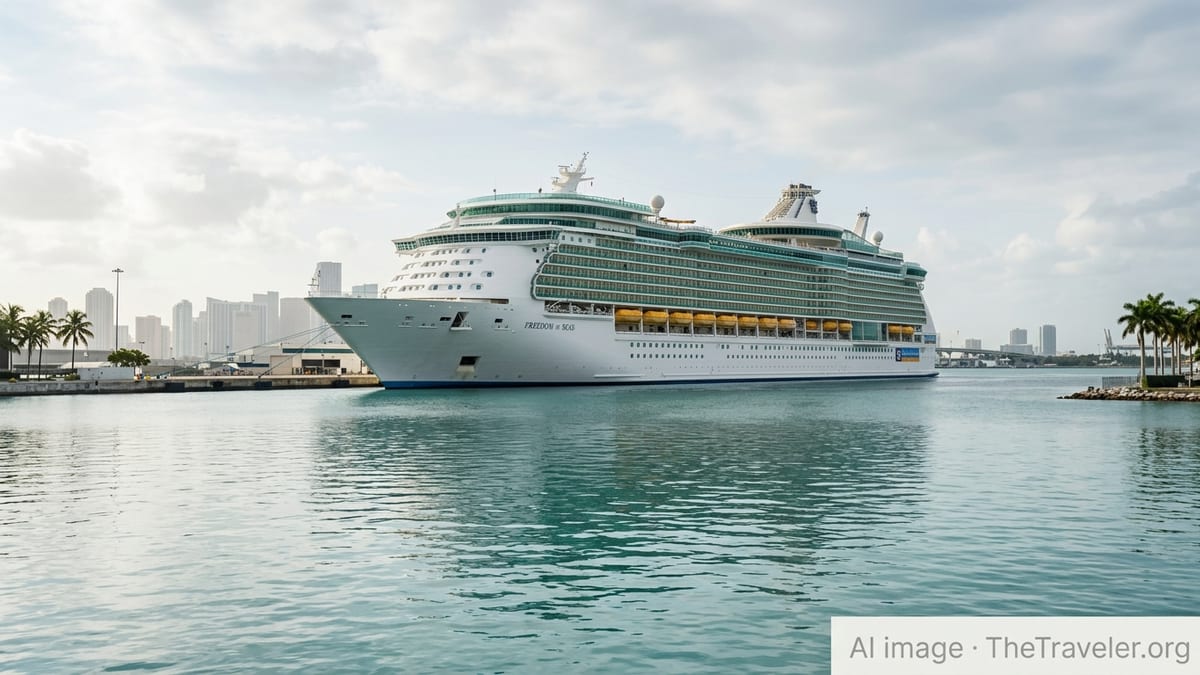
Freedom of the Seas 2027 Sailings Quietly Disappear
Guests booked on 2027 voyages aboard Royal Caribbean’s Freedom of the Seas report that their sailings have been canceled and removed from online booking channels, with alternative itineraries and refund pathways now being communicated through emails and travel advisors. Publicly available information and guest reports indicate that impacted departures include select short Caribbean and Bahamas itineraries scheduled from early 2027, though not all sailings appear to be affected at the same time.
The pattern aligns with a broader industry trend in which cruise lines are adjusting longer range schedules several years out, often consolidating capacity or redeploying individual ships as commercial conditions change. For travelers who booked early to secure cabins, the sudden disappearance of specific Freedom of the Seas dates has generated frustration but also new choices in the form of updated itineraries on other vessels.
Royal Caribbean’s published policies state that when the line cancels a sailing, guests are generally offered either a full refund of cruise fare and prepaid amenities or the opportunity to move to a new sailing, sometimes with promotional incentives. While the exact terms can vary by itinerary and booking type, the current Freedom of the Seas changes appear to follow this familiar framework.
Rebooking Choices Span Sister Ships and Similar Itineraries
Guests with 2027 Freedom of the Seas bookings are being steered toward a selection of comparable cruises on other Royal Caribbean ships, including short Bahamas and Perfect Day at CocoCay itineraries on Oasis Class vessels operating from Florida homeports. According to accounts shared in public forums, some of these replacement options are being offered with price protection, allowing travelers to shift to a typically higher priced sailing without an additional fare increase.
In addition to curated alternative sailings, travelers are also being given the option in many cases to choose a different Royal Caribbean itinerary of their preference, with any fare difference either paid by the guest or, if lower, sometimes refunded according to the line’s standard refund practices. This approach echoes the company’s broader handling of redeployments and charter-related cancellations on other ships in recent years.
The rebooking window is typically time limited, with communications outlining deadlines by which guests must select a new cruise or opt for a refund. Publicly accessible examples of such notices for other Royal Caribbean cancellations show that if no response is received by the specified date, reservations may either be canceled with a refund or default to a specific alternative option, depending on the scenario.
Refunds, Future Cruise Credits and Fine Print
For travelers who prefer not to move their reservation, the primary alternative is a full refund of cruise fare and prepaid onboard purchases to the original form of payment. Royal Caribbean’s general guest terms and frequently asked questions materials describe timelines that usually range up to a few weeks for refunds to be processed once a cancellation choice is recorded, though actual posting times can depend on each financial institution.
In some deployment changes and cancellation events, the line has historically offered future cruise credit incentives above the original fare value to encourage rebooking, particularly during periods of significant schedule upheaval. Public guidance on Royal Caribbean’s future cruise credit policy highlights that such credits are typically time limited and must be used by a certain date, which can be an important factor for guests weighing whether to accept a credit or take cash back.
Travelers also need to navigate the nuances of nonrefundable deposit fares, which can convert deposits into future cruise credits rather than cash in some situations. Booking documents and published policy summaries emphasize that while Royal Caribbean generally refunds the bulk of the paid cruise fare when the company cancels a voyage, the treatment of deposits and promotional extras can differ depending on the original fare category and any previous use of credits.
Strategic Redeployment Signals Evolving Growth Priorities
The withdrawal of 2027 Freedom of the Seas sailings fits into a broader pattern of cruise lines reshaping long term deployment in response to ship additions, charter agreements, port constraints and evolving demand. In recent years, Royal Caribbean and competitors have periodically shifted ships between Caribbean, Europe and other markets, often canceling or modifying sailings several years out as newbuild deliveries and port infrastructure plans come into clearer focus.
Cruise industry analyses note that older but still popular ships such as Freedom of the Seas are increasingly being repositioned or selectively chartered to align with growth in high yielding markets or to free capacity for marquee vessels in key homeports. Redeployments can be driven by factors such as new terminals, changing fuel and regulatory costs, and shifting patterns in fly cruise versus drive to cruise demand across North America and Europe.
The decision to cancel select 2027 cruises rather than leave them in place suggests a deliberate recalibration of how Freedom of the Seas will be used later in the decade. Whether the ship ultimately spends more time supporting short Caribbean programs, seasonal European deployments or dedicated charters, the current adjustments point to a more flexible, demand responsive deployment strategy.
Guest Experience and Booking Behavior in a Fluid Schedule Environment
For guests, the Freedom of the Seas changes are another reminder that long range cruise bookings, particularly two years or more ahead, can be subject to revision as cruise lines adapt their plans. Public commentary from travelers affected by various Royal Caribbean cancellations indicates a mix of disappointment and appreciation, with some guests leveraging price protected rebookings to move into larger cabins or more sought after itineraries.
Travel advisors and consumer advocates frequently recommend that cruise travelers monitor their reservations regularly, watch for itinerary updates, and retain flexibility in associated travel arrangements such as independent flights and hotels. Because cruise lines generally do not reimburse third party expenses when a sailing is canceled, outside of specific protection programs, the financial impact of redeployments can extend beyond the cruise fare itself.
As Royal Caribbean refines its 2027 schedule for Freedom of the Seas, affected guests face a familiar tradeoff between holding out for an ideal replacement and locking in new plans while inventory remains available. For the company, the adjustments highlight how growth in the modern cruise sector increasingly depends not just on adding new ships, but on continually reshaping where and how existing vessels sail to match changing demand.