

More news on this day
Royal Caribbean has quietly removed more than 20 Freedom of the Seas voyages and other 2027 summer departures from its schedules, leaving some early bookers scrambling to understand their options for refunds, rebookings, and future cruise credits.
Get the latest news straight to your inbox!
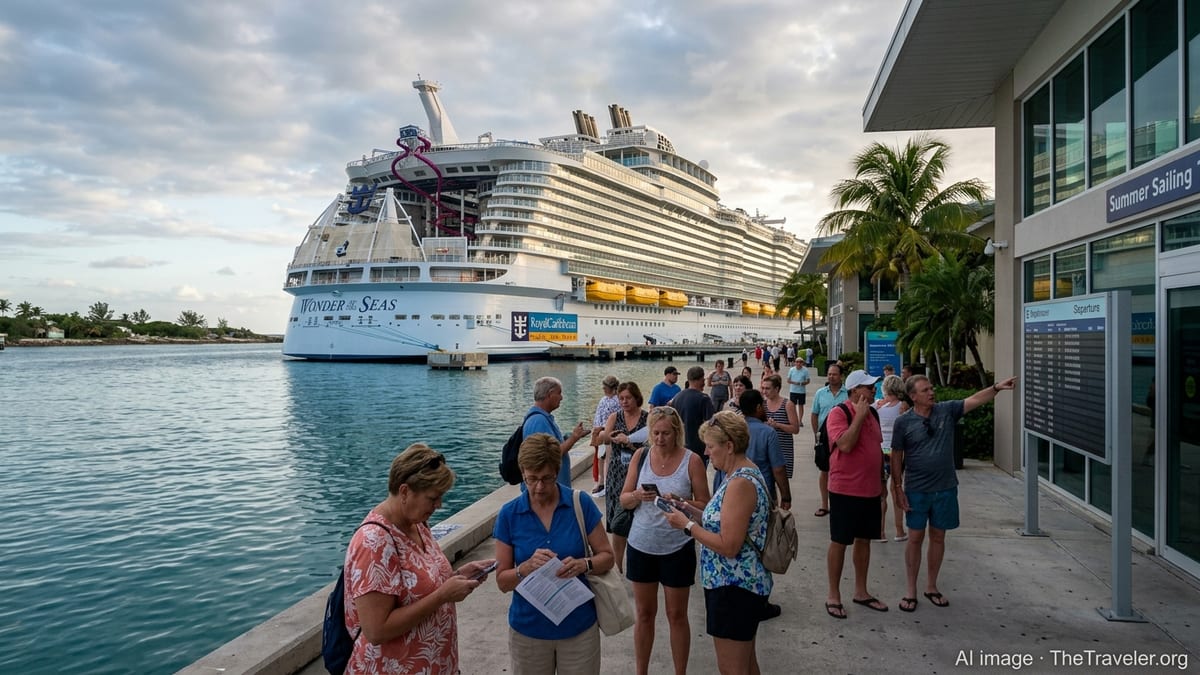
Summer 2027 Plans Upended as Sailings Disappear
Reports from cruise travelers and independent cruise blogs indicate that Royal Caribbean has canceled over 20 Freedom of the Seas sailings scheduled between May and September 2027, alongside other selective adjustments to its wider 2027 deployment. The affected itineraries reportedly include four and five night Bahamas and Caribbean cruises as well as longer nine night routes featuring Southern Caribbean ports such as Aruba and Curaçao.
The cancellations follow a period of active early booking for 2027 as Royal Caribbean rolled out future itineraries, including high-demand Caribbean and Europe programs on newer and larger ships. Some prospective guests monitoring summer 2027 dates had already noticed sailings briefly appearing, then disappearing from booking engines, before formal cancellation notices began to circulate.
Publicly available information from Royal Caribbean emphasizes that itineraries remain subject to change as the company refines its long range deployment strategy. For travelers, however, the removal of peak season voyages two years in advance has raised questions about how secure very early bookings really are when cruise lines continue to adjust ship positioning and test new products.
While Royal Caribbean has not broadly detailed the rationale behind each individual change, industry coverage suggests that the line is recalibrating some Caribbean capacity ahead of additional Icon class ships entering service in 2027 and 2028, as well as new private-destination offerings in the region.
What Affected Guests Are Being Offered
Travelers posting online about their 2027 cancellations describe receiving direct notifications that their bookings have been terminated, along with a menu of options that typically includes rebooking on alternative sailings, taking a full refund, or accepting future cruise credit. The exact remedies can vary depending on the original cruise, fare type, and whether promotional offers or older future cruise credits were attached to the reservation.
In several documented cases tied to 2027 itinerary changes, Royal Caribbean has given guests the option to move to specific substitute cruises on similar dates or routes at protected or comparable pricing. Where no like for like replacement exists, guests generally report being able to request a refund of payments made, including taxes and port fees, or to keep their funds as a credit against a later voyage.
Travel advisors note that passengers who used an existing future cruise credit to pay for a now canceled 2027 sailing are typically seeing the original credit restored, with any additional cash payments refunded separately. In situations where travelers accept a refund rather than rebooking, the restored credit usually maintains its original expiration and usage terms, while new funds are returned to the original form of payment.
Because Royal Caribbean’s policies can be updated and may differ between regions, fare types, and promotional offers, guests are being encouraged by consumer advocates to read the cancellation email carefully and verify the precise terms of any credit or price protection before agreeing to a particular option.
How to Secure Refunds, Credits, and Rebookings
For travelers whose 2027 summer sailing has been canceled, the first step is to locate the official notification in email or within the booking portal, where Royal Caribbean typically outlines the specific options and any response deadlines. Passengers booked through travel agents are often asked to work directly with their advisor, who can manage the process and confirm details with the cruise line.
Guests who prefer a straightforward cash refund generally need to affirm that choice through the channel indicated in their notice, whether that is an online form, a reply pathway, or a call to reservations. Published experiences from past cancellations suggest that refunds can take several weeks to appear, particularly for bookings that included multiple forms of payment or earlier certificates.
Travelers who want to stay with Royal Caribbean but shift to a different departure date or ship are frequently encouraged to review suggested alternative itineraries included in the cancellation message. These may feature similar lengths and regions, such as substitute Bahamas and Perfect Day at CocoCay sailings from Florida or other Caribbean routes in early 2027. Where price protection applies, the line may honor the original fare or offer a discount on the new cruise, though taxes and fees generally adjust to the new itinerary.
Those relying on future cruise credits should keep a record of certificate numbers, issue dates, and expiration details. Consumer guidance based on previous deployment changes recommends downloading updated invoices after any rebooking to ensure that credits and new payments are correctly applied and that cancellation terms for the new sailing are clearly documented.
Options for Travelers Still Planning a 2027 Cruise
Despite the cancellations, Royal Caribbean continues to sell a wide range of 2027 cruises, including Caribbean, Europe, and Alaska itineraries, and has flagged additional releases for the 2027 to 2028 season. Industry coverage points to more Icon class capacity in the Caribbean and a number of new and expanded routes across the broader Royal Caribbean Group brand portfolio.
For travelers whose original sailing has been removed but who still want to cruise in summer 2027, one strategy is to look at similar voyage lengths from the same or nearby homeports, even if on different ships. Shorter Freedom class and Oasis class departures from Florida, as well as Mediterranean itineraries departing from ports such as Rome and Barcelona, are among the options that may appeal to guests willing to shift their plans slightly.
Prospective cruisers may also wish to factor flexibility into any new 2027 booking. Refundable deposits, where available, and comprehensive travel insurance that includes coverage for schedule changes or supplier default can provide additional protection when booking several years ahead in a fluid deployment environment.
Analysts note that while long range changes can be disruptive, they also sometimes open up opportunities. Guests who move quickly to rebook into newly announced itineraries may gain access to better cabin locations or newer ships that were not yet on sale when they first planned their 2027 vacations.
What This Means for Early Cruise Bookers
The wave of 2027 summer cancellations is a reminder that even confirmed cruise reservations remain subject to change when booked far in advance. As lines like Royal Caribbean continue to add new vessels, refine private island offerings, and respond to evolving demand patterns, itineraries two or more years out can be especially susceptible to redeployment.
For travelers, the episode underscores the importance of closely monitoring reservations, keeping contact details up to date with the cruise line or travel advisor, and promptly reviewing any schedule change notices. It also highlights the value of understanding the differences between nonrefundable and refundable fares, as well as the specific conditions attached to promotional onboard credits and future cruise certificates.
While many affected guests are likely to secure refunds or alternative holidays, the disruption illustrates the trade off between locking in a dream itinerary early and the possibility that long range plans may shift. Those continuing to target summer 2027 sailings may find that a combination of flexible booking terms, cautious use of nonrefundable promotions, and regular checks on itinerary status offers the best balance between early planning and peace of mind.