

More news on this day
Rochester International Airport in Minnesota has postponed the launch of its new United Airlines flights to Chicago O’Hare, pushing back the long-anticipated route as the carrier navigates broader congestion and capacity limits at one of its busiest hubs.
Get the latest news straight to your inbox!
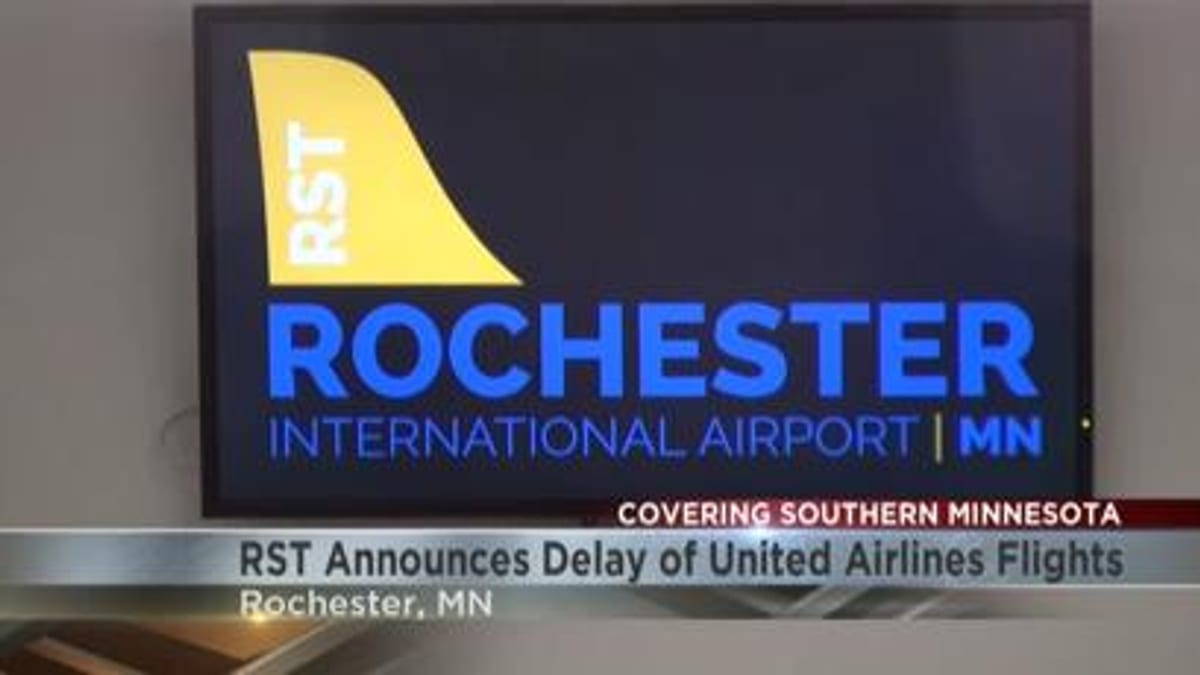
Launch of United service from RST pushed to June
Publicly available information shows that Rochester International Airport, known by its code RST, has delayed the start of new daily United Airlines service to Chicago from April 30, 2026, to June 1, 2026. The adjustment affects the long-planned return of United-branded flights to the southeast Minnesota city, which had been highlighted as a significant boost for local travelers and the regional business community.
Coverage from local broadcasters indicates that the new route was initially promoted as a key link to United’s Chicago O’Hare hub, offering one-stop connections to dozens of domestic and international destinations. The decision to delay means passengers who had been eyeing late-April and May departures from Rochester on United will now need to rely on existing carriers or travel through larger airports in the region.
Airport communications frame the shift as a postponement rather than a cancellation, with United still expected to inaugurate the route at the beginning of June. For Rochester, which has worked for years to rebuild and diversify its air service portfolio, even a short-term delay is notable at the start of the busy summer travel season.
O’Hare capacity limits ripple into regional routes
According to published coverage, United’s move is tied in part to federal restrictions that cap the number of flights operating at Chicago O’Hare. Those limits are intended to ease chronic congestion at one of the nation’s most delay prone hubs, where heavy schedules, complex runway operations and shifting weather patterns frequently combine to slow arrivals and departures.
Industry reports indicate that such measures can reverberate across airline networks, particularly for carriers that rely heavily on hub-and-spoke systems. When an airline like United adjusts flying at a constrained hub, new or smaller spoke routes such as Rochester are often among the first to be rescheduled, even if demand in the local market is strong.
In early April, data compiled by air travel analytics firms showed United coping with hundreds of delayed flights across its U.S. network during periods of stormy weather and air traffic control restrictions. While the Rochester launch delay has been presented as a proactive schedule change, it fits into a broader picture of carriers reshuffling flying to keep operations more resilient during a turbulent spring travel period.
What the delay means for Rochester travelers
For travelers in the Rochester area, the most immediate impact is a longer wait for additional nonstop options to a major hub. Until United begins flying the RST to Chicago route in June, passengers will continue to lean on existing service, including American Airlines flights that already connect Rochester with O’Hare.
Local travel planners have noted that Rochester residents often weigh driving to Minneapolis St. Paul International Airport against flying from RST, balancing ticket prices, schedules and the convenience of a smaller terminal. The coming United service was expected to tip that equation for some travelers by providing more choice and competitive fares, especially for trips connecting onward through Chicago.
The revised launch date means those perceived benefits will arrive closer to the heart of the summer season instead of during the late spring ramp up. Travelers who had already booked or planned trips around an April 30 start may now look to adjust itineraries, explore alternate routings through Minneapolis, or rebook on American’s existing Chicago flights to maintain similar connection options.
Regional air service strategy faces another test
The delay also underscores how vulnerable smaller communities can be to scheduling shifts made far from the local airport. Public documents and economic development reports for Rochester highlight air service as a key factor for attracting investment, medical travelers and convention business, with local leaders working alongside consultants to court additional routes.
In recent years, Rochester International Airport has received federal support to help recruit new flights, including specific efforts to land United service. The planned Chicago route has been framed as a milestone in that strategy, reconnecting the city with one of the country’s largest airline networks after previous reductions by regional carriers.
Analysts who track airline capacity say that while a one month postponement is modest by industry standards, it can still complicate marketing campaigns and advance sales for a new route. For airports, a smooth and on time launch helps build confidence among both travelers and airlines that the market can sustain and grow additional service.
For now, publicly available information continues to list June 1 as the revised start date for United’s Rochester Chicago flights. As airlines and airports across the United States adapt to a spring marked by weather disruptions, air traffic constraints and infrastructure work at major hubs, Rochester’s experience offers a localized view of how those pressures play out in smaller markets that depend heavily on every new flight they can secure.