

More news on this day
Rochester International Airport in Minnesota has postponed the launch of new United Airlines flights to Chicago O’Hare, delaying the long awaited route by more than a month amid federal limits on operations at the busy hub.
Get the latest news straight to your inbox!
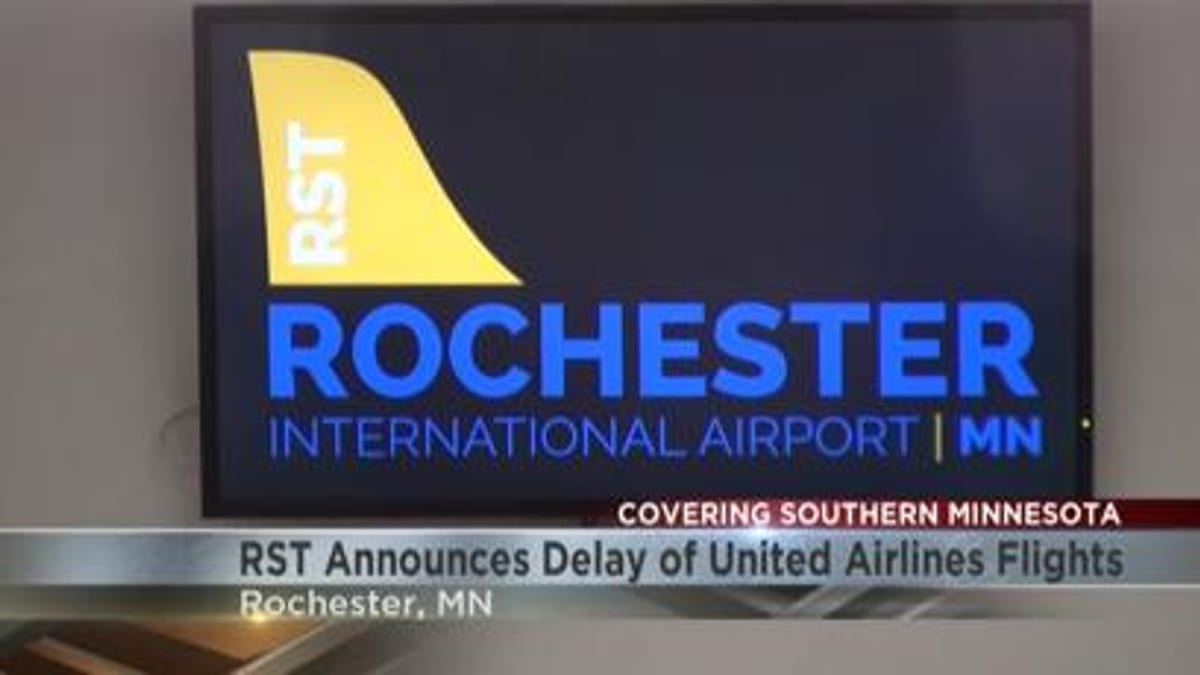
Launch of daily Chicago service moved to June
According to recent local coverage, Rochester International Airport, commonly known by its code RST, has announced that the planned start of United Airlines daily service to Chicago O’Hare will no longer happen on April 30, 2026. The airport now lists June 1, 2026 as the revised launch date for the new route.
The service is expected to reconnect Rochester with United’s global network through Chicago, restoring a link that has been missing since United last served RST in 2020 with flights to Denver and Chicago before suspending operations during the pandemic period. Airport and community updates over the past year had highlighted the April start as a key step in rebuilding regional connectivity.
Publicly available planning documents and community economic reports show that the route has been framed as important both for local business travel and for connecting Mayo Clinic visitors, who often rely on a convenient one stop itinerary to reach Rochester.
FAA limits at Chicago O’Hare cited as key factor
Reports indicate that the decision to delay the launch is tied to current Federal Aviation Administration restrictions on the number of flights that can operate at Chicago O’Hare. These constraints, introduced to manage congestion and air traffic complexity at one of the nation’s largest hubs, have affected scheduling flexibility for airlines that rely heavily on the airport.
Coverage of the postponement notes that while United continues to operate an extensive network from O’Hare, the airline is adjusting some smaller market additions while it awaits more clarity on how long capacity limits and related air traffic programs will remain in place. In that context, the new Rochester service has been pushed back rather than canceled.
The situation reflects broader operational pressures at major U.S. hubs, where airlines must balance regional additions with slot like constraints, controlled departure rates, and frequent air traffic management programs during periods of heavy demand or adverse weather.
Regional travelers urged to plan around the gap
With the RST to Chicago launch now scheduled for June instead of late April, travelers in southeastern Minnesota face a longer period without the promised new United connection. For spring trips, passengers will likely continue to rely on existing options from Rochester on other carriers or drive to Minneapolis St Paul International Airport to access a wider selection of nonstop flights.
Travel guidance published in recent weeks about U.S. delays and cancellations underscores the value of building extra time into itineraries, particularly when connecting through busy hubs such as Chicago, Denver, Newark or Houston. For Rochester passengers, that advice may be especially relevant if they choose to connect through larger airports rather than wait for the June launch at RST.
Local travel discussion forums continue to describe Rochester International as a convenient, small scale airport with relatively short security lines and quick check in times, but the limited number of routes makes it sensitive to changes in airline schedules. The postponement of the United service extends that dynamic into the early summer travel period.
United’s delay comes amid broader U.S. disruption
The schedule change at Rochester arrives against a backdrop of heightened disruption across the U.S. air system this spring. Recent national tallies have recorded several days with thousands of delayed flights and hundreds of cancellations, affecting major carriers including United across multiple hubs.
Operational trackers and travel industry coverage point to a mix of contributing factors, including strong seasonal demand, episodes of severe weather, and ongoing air traffic control constraints at some key facilities. On several recent days, Chicago O’Hare, Newark Liberty, Denver and other United strongholds have featured prominently in lists of airports with significant delay volumes.
Within that environment, airlines have in some cases opted to delay the start of new regional routes or adjust frequencies in order to preserve resilience on core trunk lines. The Rochester postponement fits that wider pattern, where timetable changes in smaller markets are used to relieve pressure on saturated hubs.
What the new timeline means for summer travel
By shifting the first United flights at RST to June 1, the new schedule positions the route to be available during the peak summer travel window rather than the late spring shoulder season. If the launch proceeds on the revised date, Rochester area travelers could gain additional one stop connections through Chicago in time for school holidays and international vacation travel.
Community economic updates have emphasized that added air service is a factor in attracting conferences, medical visitors and corporate investment to the region. The delayed start slightly postpones those potential benefits, but the maintained commitment to a June launch suggests ongoing confidence in the market’s long term prospects.
For now, passengers who had anticipated using the new RST to Chicago link in May are being encouraged by consumer travel advisories to review their existing bookings, monitor airline communications for schedule changes, and consider alternative routings if necessary. As with other recent disruptions across the U.S. air network, flexibility and early planning remain key tools for minimizing the impact of shifting flight timelines.