

More news on this day
Rochester International Airport in Minnesota has postponed the launch of new United Airlines flights to Chicago O’Hare, shifting the long‑planned start of daily service from late April to early June as capacity constraints ripple through one of the nation’s busiest hubs.
Get the latest news straight to your inbox!
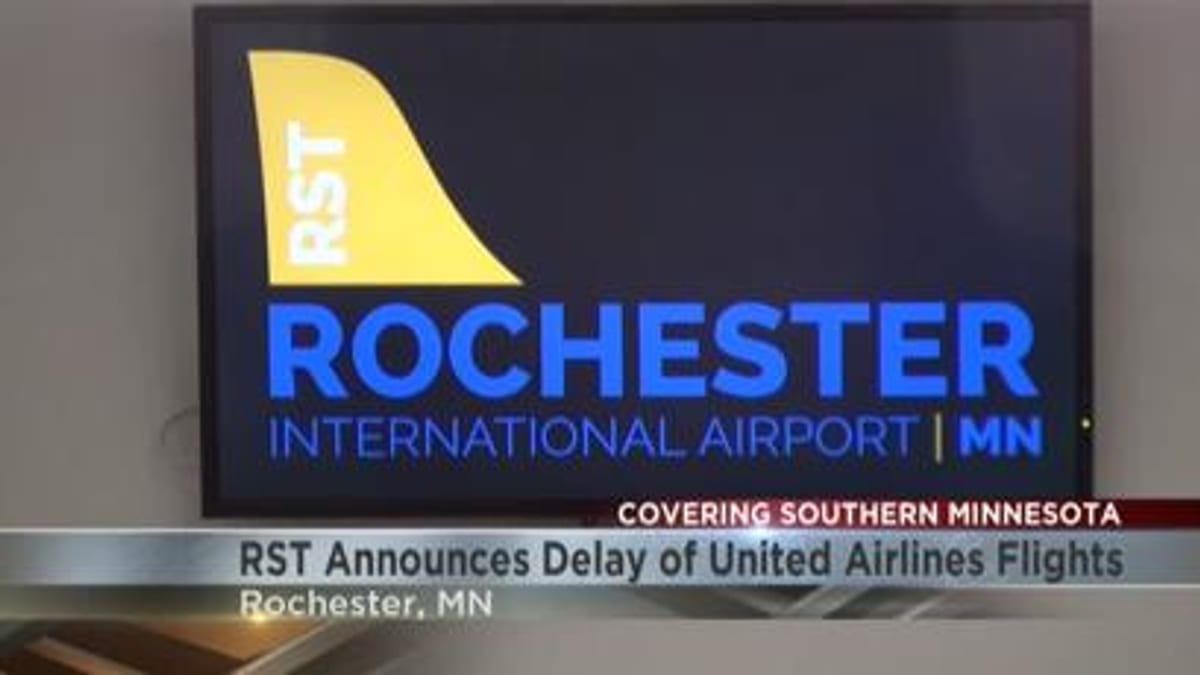
New Service Launch Moved from April to June
Publicly available information from regional broadcasters indicates that Rochester International Airport, known by its code RST, has delayed the introduction of three new daily United Airlines flights to Chicago O’Hare. The service, originally scheduled to begin on April 30, 2026, is now expected to start on June 1, 2026.
The adjustment means travelers in southeastern Minnesota will wait an additional month for restored connectivity on United to one of the largest domestic and international hubs in the United States. The planned schedule links Rochester with Chicago multiple times per day, creating new options for same day business trips and onward long haul connections that were widely anticipated in the local market.
The postponement does not affect existing operations by other carriers at Rochester, but it alters expectations for capacity growth at the airport as the busy summer travel period approaches. RST had been promoting the new link to Chicago as a cornerstone of its 2026 network expansion.
Airport communications describe the change as a delay to the launch rather than a cancellation, with the new June date framed as the target for beginning daily United service if current constraints ease as expected.
O’Hare Capacity Limits Shape United’s Timeline
Reports from local coverage in Minnesota attribute the shift in Rochester’s start date to federal limits on operations at Chicago O’Hare. Those reports indicate that United is navigating Federal Aviation Administration restrictions that cap the number of flights able to operate at the airport, affecting how quickly the carrier can add new regional routes.
Chicago O’Hare has been under renewed strain during the spring travel rush, with various analyses pointing to a combination of heavy holiday demand, spring storm systems and ongoing air traffic management initiatives. This environment has heightened the need for airlines to prioritize core routes and adjust the timing of planned expansions from secondary markets such as Rochester.
In that context, the decision to move the RST launch to June reflects a broader recalibration of schedules around O’Hare. United and other carriers have been contending with days in early April where delays and cancellations climbed sharply, particularly during the Easter travel period, which limited operational flexibility for adding new spokes into the hub.
Capacity programs at O’Hare are designed to reduce gridlock in peak periods, but they can also slow the introduction of new services until airlines are confident that additional flights will fit reliably within the system. Rochester’s revised start date illustrates how these high level constraints are being felt in smaller communities.
Regional Travelers Face Continued Connection Gaps
For travelers in Rochester and the surrounding region, the delay prolongs a period of limited nonstop connectivity to Chicago on United branded flights. Publicly available background material on the market shows that United last served Rochester several years ago, before suspending flights to both Denver and Chicago.
The return of United service has been promoted as an important step in rebuilding Rochester’s role within national and global networks, particularly for passengers connecting to long haul routes in Europe, Asia and Latin America via O’Hare. With the launch pushed into June, passengers will continue relying on existing options via other hubs and carriers, often requiring longer itineraries and additional connections.
Business travelers, medical visitors and residents who had booked or planned late April trips around the expected start date may now be reviewing alternative flight combinations. Industry data from recent holiday periods suggests that even modest changes in hub schedules can meaningfully alter connection patterns for smaller cities, especially when they depend on a single large gateway for most onward routes.
While some travelers may be able to shift plans into June to take advantage of the new service once it begins, others with fixed dates around graduations, conferences or early summer vacations will likely continue to route through Minneapolis, Chicago on other carriers, or additional hubs in the Upper Midwest.
Delay Highlights Wider Strains on U.S. Flight Networks
The Rochester announcement comes against a backdrop of broader disruption across the United States aviation system in recent weeks. Data compiled from national media and aviation tracking services for the Easter travel window show thousands of delays and hundreds of cancellations concentrated at major hubs, including Chicago O’Hare, Atlanta, Dallas Fort Worth and Houston.
United in particular has experienced heightened operational pressure at its largest bases, with early April seeing hundreds of delayed flights and several dozen cancellations in a single day across its network. Weather events, including severe storms in key regions, combined with air traffic control initiatives to slow arrivals at overcrowded airports, have narrowed the margin for introducing new flights.
Within this environment, adjustments such as Rochester’s revised start date are emerging as one way airlines attempt to stabilize their schedules heading into the peak summer period. By deferring the launch of additional spokes until June, carriers can focus on restoring reliability on existing routes while monitoring how regulatory caps and seasonal weather patterns evolve.
For travelers, the pattern underscores the importance of monitoring flight status closely in the weeks ahead, particularly for itineraries that rely on tight connections through busy hubs like O’Hare. The delay in United’s RST service illustrates how decisions made at major airports can quickly cascade to smaller communities, reshaping local travel options even before the first flight departs.