

More news on this day
Critical runway strengthening at Srinagar International Airport, scheduled between April and July, is set to trigger extensive schedule revisions and travel disruptions during one of Kashmir’s busiest travel periods.
Get the latest news straight to your inbox!
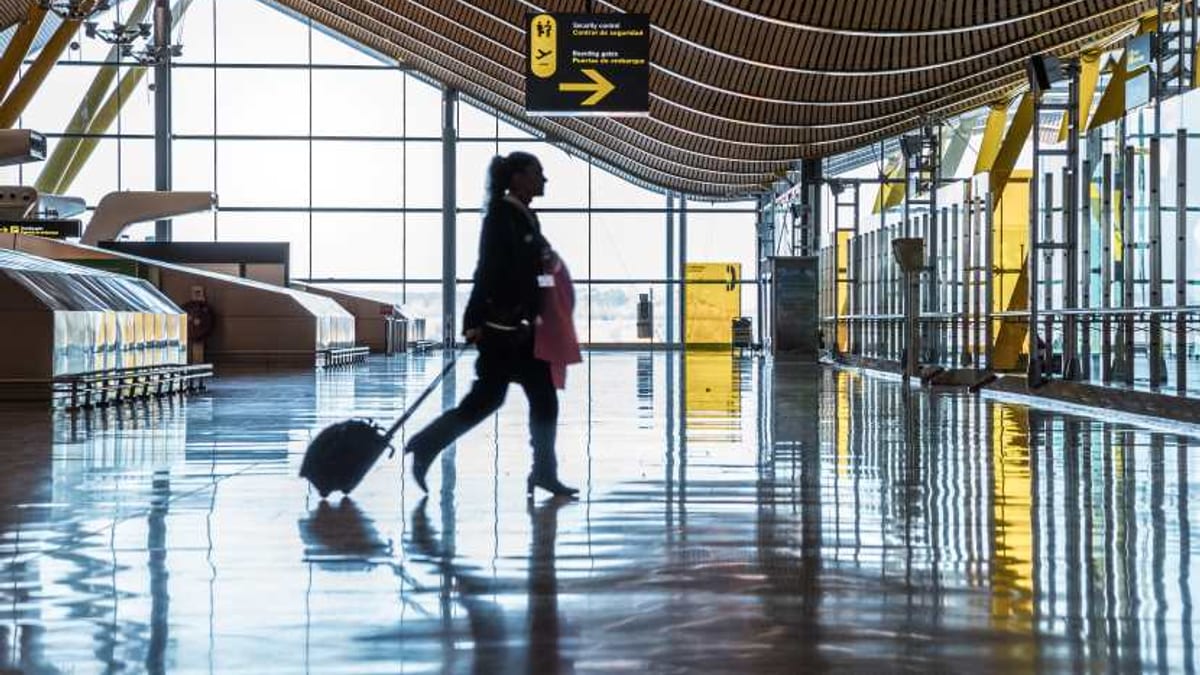
Image by Travel And Tour World
Runway Project Timelines and Operational Windows
Published coverage indicates that Srinagar International Airport, a key gateway for Jammu and Kashmir, will undergo intensive runway infrastructure strengthening over several months spanning April to July. The planned work focuses on reinforcing the airfield’s single main runway, which handles all commercial movements and already operates at high utilisation during peak seasons.
Reports suggest that the maintenance will be concentrated in extended daytime blocks to allow engineers to work on resurfacing, grading, and strengthening segments of the runway and associated safety areas. Civil flight operations are expected to be constrained within shorter operating windows, with early-morning and late-evening slots favoured for limited movements when feasible.
According to publicly available aviation notices and media summaries, these restrictions will not take the form of a continuous full closure in Srinagar, but rather staggered limitations on the number of flights and the hours during which take-offs and landings can take place. This approach mirrors recent patterns at other Indian airports where infrastructure upgrades have been phased to balance safety requirements with passenger demand.
Travel coverage also notes that Srinagar’s runway works form part of a wider programme of upgrades at defence-operated airports across India, aimed at improving long-term safety margins and capacity. For travellers, however, the most immediate impact will be visible in altered timetables and fewer options across several weeks of the core summer season.
Expected Impact on Flights, Routes and Capacity
Media reports tracking airline planning indicate that carriers serving Srinagar are preparing for a period of significantly reduced daytime capacity while runway work is underway. Airlines are expected to trim frequencies on high-density routes such as Srinagar–Delhi and Srinagar–Mumbai, with some services shifted to early-morning or late-evening slots and others temporarily withdrawn from schedules.
According to published coverage, these reductions will be layered onto a network that has already seen volatility from weather-related disruptions, security incidents and broader aviation challenges in recent seasons. Past winters have brought large-scale cancellations and delays at Srinagar due to snowfall, fog and high winds, underlining how quickly operations can be affected when the airport’s limited runway infrastructure is under pressure.
Industry-focused analyses suggest that during the most intensive phases of construction, Srinagar may handle only a fraction of its usual daily movements. Aircraft rotations will likely be prioritised for trunk routes connecting the Kashmir Valley with major Indian hubs, while marginal or purely seasonal connections face a higher risk of suspension.
For passengers, this translates into fewer same-day options, longer waits between departures, and higher load factors on flights that do operate. Some carriers may explore using larger aircraft on selected services to partially offset the drop in slots, but overall seat capacity into and out of Srinagar between April and July is widely expected to decline.
Tourism, Pilgrimage and Local Economy Under Strain
Travel and business outlets point out that the timing of the runway strengthening coincides with the build-up to the crucial summer tourism period in Kashmir. April and May traditionally mark the start of a busy season, with travellers drawn by spring landscapes, school holiday itineraries and access to hill destinations across the Valley.
Passenger data published over recent years shows that Srinagar routinely records some of its highest monthly footfall in April, reflecting a surge in both leisure tourism and domestic travel. Any sustained cut in flight capacity or major time-of-day limitations during this period is likely to affect hotel occupancies, tour bookings and ancillary services ranging from transport providers to local guides and retailers.
In addition, the June and July window often overlaps with pilgrimage flows and broader domestic travel tied to religious events and festivals. Previous seasons have demonstrated how quickly reduced connectivity at Srinagar can ripple through to booking patterns, with some travellers opting for alternate gateways or postponing trips when faced with uncertainty over flights.
Economic commentary from regional business groups and industry observers has repeatedly stressed Srinagar’s role as a critical aviation lifeline for the region. The runway project is widely framed as a long-term positive step, yet there is also concern that short-term disruptions could slow recovery in a market that has already weathered shocks linked to security developments and airspace restrictions in recent years.
What Travellers Can Expect Between April and July
Consumer travel reporting indicates that airlines are likely to adjust Srinagar schedules in phases, with initial timetable changes visible weeks before the main runway work begins. Travellers can expect a noticeable reshaping of the daily pattern of flights, with many departures bunched into narrower operational windows and a potential absence of mid-day services on certain routes.
Industry advisories encourage passengers planning trips during this period to build additional buffer time into itineraries, particularly when making onward international connections via Delhi or other hubs. With fewer flights available, missed connections could become more consequential, and same-day re-accommodation options may be limited.
Published guidance from travel intermediaries and airline customer updates also underscores the importance of monitoring booking conditions carefully. Flexible fares, waivers for date changes during the works period, and the option to route via alternative airports in North India may all become relevant tools for mitigating disruption, especially for travellers on time-sensitive itineraries.
On travel days themselves, publicly available information from past disruption episodes at Srinagar suggests that passengers should be prepared for last-minute schedule reshuffles as operational teams balance runway work, weather and air traffic constraints. Early arrival at the airport, regular checks of flight status, and close coordination with airlines or travel agents will be essential habits throughout the April to July works window.
Long-Term Benefits and Infrastructure Outlook
Despite the near-term inconvenience, aviation analysts and regional commentators emphasise that the runway strengthening at Srinagar is intended to enhance long-term safety and reliability. Reinforced pavement, improved drainage and associated works on runway shoulders and safety zones are expected to support more resilient operations during intense winters and periods of heavy rainfall.
Publicly available traffic statistics show that Srinagar’s passenger volumes have grown markedly over the past decade, even with periodic setbacks. Strengthening the runway infrastructure is viewed as a prerequisite for sustaining that growth trajectory, accommodating heavier aircraft, and supporting more consistent operations in challenging mountain weather conditions.
Coverage of wider aviation planning in India indicates that upgrades at Srinagar align with a broader push to modernise high-altitude and strategically important airports. Investments in surfaces, lighting, navigation aids and airside layouts are being positioned as key to unlocking more reliable connectivity for remote and tourism-dependent regions.
For the Kashmir travel sector, the runway works therefore represent both a short-term test and a long-term opportunity. While April to July is likely to be marked by constrained schedules and frequent revisions, the expectation in industry reporting is that a stronger, more capable runway will ultimately support more predictable flights, greater resilience to weather disruption and a more stable foundation for future tourism growth.