

More news on this day
Russia’s escalating restrictions on gasoline exports, introduced to stabilize surging domestic fuel prices and worsening shortages, are reverberating across already fragile global energy markets marked by geopolitical tensions and volatile oil prices.
Get the latest news straight to your inbox!
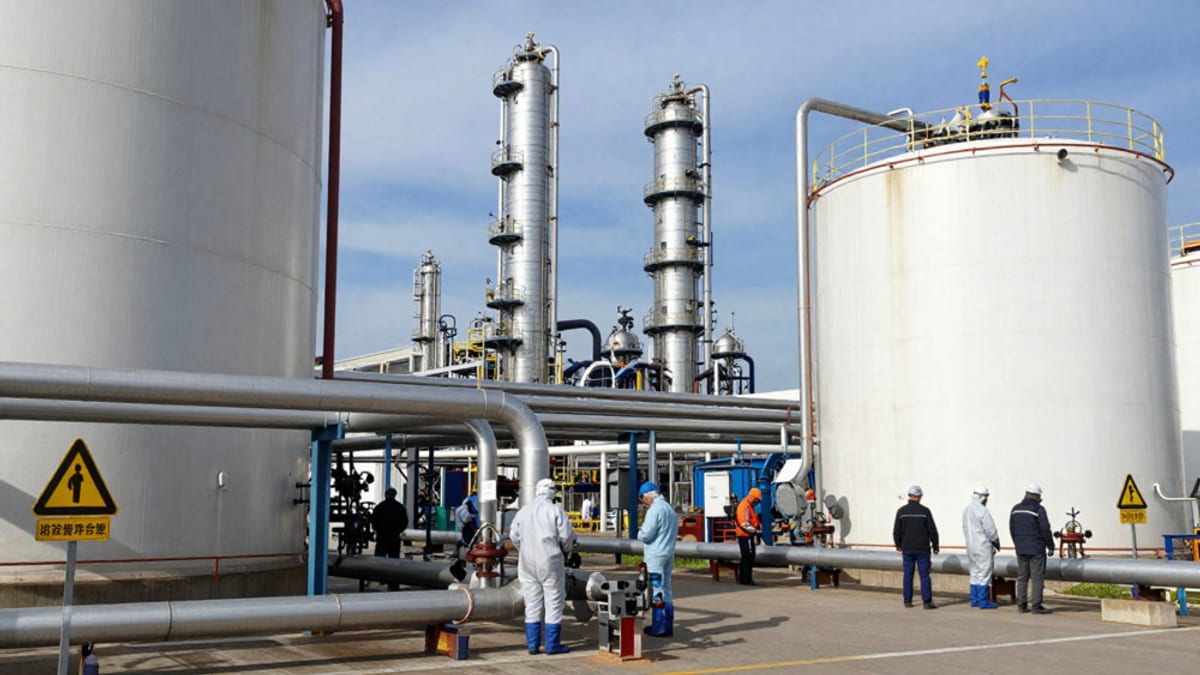
Image by Latest International / Global Travel News, Breaking World Travel News
Russia Moves to Prioritize Domestic Fuel Security
Publicly available government decrees and local media coverage indicate that Russia has shifted from short-term emergency measures to a far more sweeping and long-lasting halt on gasoline exports. Initial restrictions designed as temporary tools to cool retail prices have been repeatedly extended and broadened, with the latest decisions effectively locking in a ban on most gasoline shipments well into 2025 and 2026.
Officials in Moscow framed earlier rounds of limits as a response to retail price spikes and tight supplies at filling stations, particularly in more remote regions where logistics are challenging. Over time, however, the measures have hardened into a structural policy choice, signaling that maintaining domestic availability now takes precedence over capturing higher prices on international markets.
According to coverage by Russian and international outlets, the ban has gradually been expanded to cover virtually all gasoline exporters, including major refiners that had previously been exempt or subject only to partial controls. These steps are presented domestically as necessary to saturate the internal market and align wholesale prices with broader inflation trends.
The tighter rules mean more volumes that would typically be exported are being redirected to domestic exchanges and retail networks. Market reports suggest that spot availability within Russia has improved in some regions, but localized shortages and sporadic pump closures have persisted, underlining the strain on the system.
Refinery Disruptions and Regional Shortages Deepen the Crisis
The decisive export halt has unfolded against a backdrop of extensive disruptions at Russia’s refining complex. Open-source assessments and recent news coverage describe a sharp increase in Ukrainian drone strikes on Russian oil refineries and fuel depots, damaging key processing units and temporarily sidelining significant capacity.
Industry analyses highlight that many affected plants produce both gasoline for the domestic market and diesel and other products for export. Damage to crucial equipment, such as primary distillation towers and catalytic cracking units, reduces output across the barrel, tightening supply at home and curbing exportable surpluses. This has been especially visible in Russia’s Far East and occupied Crimea, where logistical challenges make replacement deliveries slower and more expensive.
Reports from regional markets describe queues at filling stations, rationing measures, and periodic restrictions on sales to retail customers and commercial fleets. Even as central regions, including Moscow, have largely avoided the worst shortages, the uneven impact has created political and economic pressure to ensure that more fuel remains inside the country.
The domestic strain is magnified by the seasonality of demand. Summer driving peaks and the autumn agricultural harvest both increase consumption at the same time refineries often undergo maintenance. The convergence of these factors with wartime disruptions has made export restrictions an attractive instrument for policymakers seeking a rapid way to rebalance the market.
Global Fuel Markets React to Russia’s Retreat from Exports
Russia is one of the world’s major suppliers of refined products, so the decision to largely halt gasoline exports is reshaping global fuel flows. Analysts cited in international coverage point to earlier episodes, such as Russia’s 2023 and 2024 fuel export curbs, as precedents that triggered price spikes and scrambling among traditional buyers in Europe, the Middle East and Africa.
In the current phase, the extended ban through late 2025 and into 2026 removes a meaningful volume of gasoline from seaborne markets just as refiners elsewhere are already dealing with tighter margins, shifting environmental rules and competing demand for diesel and jet fuel. Some import-dependent countries have increased purchases from alternative suppliers, including the United States, Asia and the Middle East, but replacement barrels are often more expensive or involve longer shipping routes.
Market commentaries suggest that traders are building a risk premium into gasoline prices in anticipation of continued policy volatility from Moscow. The combination of Russian constraints, limited spare refining capacity in other regions and potential disruptions from extreme weather or unplanned outages is viewed as a recipe for heightened price swings, particularly during peak driving seasons.
At the same time, Russia has been redirecting more of its crude oil to large buyers such as China and India. That strategy helps sustain government revenues even as refined product exports are curtailed, but it also shifts the burden of supplying gasoline and diesel to refineries in those importing countries, further complicating global trade patterns.
Geopolitical Tensions and Oil Price Volatility Set the Backdrop
Russia’s gasoline export ban is being implemented in an international context marked by war in Ukraine, instability in the Middle East and renewed debate over energy sanctions. According to recent coverage from major news agencies, conflicts involving Iran and broader regional tensions have contributed to higher and more volatile crude prices, while also constraining shipping routes and insurance availability.
Western governments have tightened restrictions on Russian energy revenues while simultaneously trying to prevent a severe global supply crunch that would push prices sharply higher. Measures such as oil price caps, exemptions for certain buyers and periodic adjustments to sanctions have created a complex set of incentives. Within this framework, Russia’s choice to emphasize domestic fuel security over export income adds another layer of uncertainty for policymakers and markets.
Energy analysts note that the export halt, combined with repeated infrastructure attacks, makes it harder to predict Russia’s role in balancing global refined product supply. When gasoline exports can be switched off or on with little notice and for extended periods, large importers struggle to sign long-term contracts, and refiners in other regions may delay investments due to shifting competitive dynamics.
The uncertainty extends beyond fuel prices at the pump. Airlines, shipping companies and logistics operators all factor refined product availability and cost into their planning. Any sustained tightness in gasoline and related products can influence inflation, monetary policy decisions and consumer spending patterns worldwide.
Implications for Travelers and Energy-Dependent Economies
For travelers, Russia’s decision to prioritize its domestic fuel market may be felt indirectly rather than through direct supply disruptions. Many countries that previously relied on Russian gasoline have diversified their suppliers since the early stages of the Ukraine war, but the loss of flexible Russian exports still contributes to a tighter overall market that can feed into higher prices for motorists.
Travel industry observers point out that elevated fuel costs often translate into more expensive airfares, pricier bus and rail tickets, and higher rental car rates. Countries with regulated fuel prices may choose to absorb some of the impact through subsidies, while others allow full price pass-through, leading to sharp swings at the pump that can influence tourism demand and domestic travel decisions.
Energy-dependent emerging economies are particularly exposed. Those with limited refining capacity and constrained access to credit may find it harder to secure alternative supplies quickly, especially when competition for non-Russian barrels intensifies. In such markets, higher fuel prices can amplify broader economic vulnerabilities, affecting everything from food distribution to public transport.
Looking ahead, published forecasts suggest that global fuel markets will remain sensitive to developments in Russia’s refining sector, the trajectory of the Ukraine conflict and policy choices in major consuming countries. As long as Moscow maintains strict limits on gasoline exports in response to domestic shortages and geopolitical pressure, the risk of renewed price surges and localized shortages elsewhere is likely to stay elevated.