

More news on this day
Russia has issued a new warning to its citizens against travelling to dozens of foreign destinations, saying that trips to many Western and allied countries now carry heightened risks of arrest and possible extradition to the United States.
Get the latest news straight to your inbox!
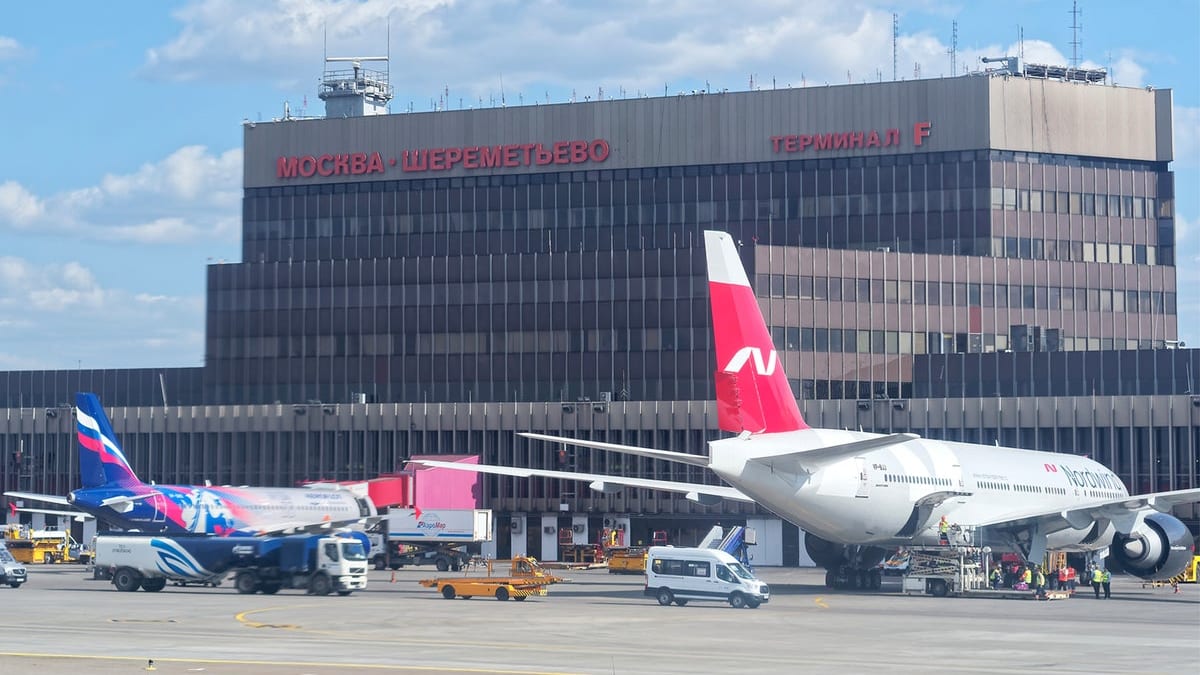
Image by The Independent
A Broad Warning Tied to U.S. Legal Reach
Recent public statements from Russia’s Foreign Ministry and senior officials have amplified longstanding concerns in Moscow about what they describe as an expanding practice of U.S. law enforcement targeting Russian nationals abroad. According to published coverage, the latest advisory urges Russian citizens to carefully reassess nonessential trips to states that maintain extradition treaties or close security cooperation with Washington.
Reports indicate that the warning focuses particularly on countries in North America, the European Union, and other U.S.-aligned jurisdictions where Russian travelers could be detained on the basis of U.S. indictments or requests routed through local courts. The guidance echoes earlier notices in which Russian representatives accused the United States of using allied territories to detain Russian citizens on fraud, cybercrime, sanctions, and other charges.
Publicly available information shows that Moscow has for years criticized what it calls “transnational” law enforcement actions carried out with the help of partner governments. In this latest iteration, officials have widened the focus from individual legal cases to a broader message directed at the general travelling public, framing the risk as a systemic feature of U.S. cooperation with friendly states.
Analysts cited in international media coverage note that the warning aligns with a wider pattern of political tension between Russia and Western governments since the start of the full-scale invasion of Ukraine in 2022. They point out that the concern over extradition coincides with continuing sanctions, asset freezes, and criminal investigations targeting Russian individuals and entities in multiple jurisdictions.
Dozens of ‘Unfriendly’ States in the Spotlight
The new advisory builds on Russia’s official list of so-called “unfriendly” countries, a roster that already includes the United States, all European Union member states, the United Kingdom, Canada, Japan, South Korea, Australia, New Zealand, and several others. Public documents show that these states have imposed economic and political penalties on Russia, and in many cases maintain active extradition arrangements with Washington.
While the latest travel guidance does not publish a complete new list, Russian media reports describe the scope as extending to “dozens” of destinations that either host U.S. law enforcement liaison offices or regularly cooperate with U.S. requests. This effectively captures much of Europe, North America and parts of the Asia-Pacific region that remain popular with Russian tourists and business travelers.
Travel industry observers say the warning could complicate outbound tourism patterns that were already disrupted by airspace closures, reduced direct flights and payment restrictions linked to sanctions. Many Russian travelers have shifted in recent years toward destinations viewed as politically closer to Moscow or outside the Western sanctions architecture, including parts of the Middle East, Latin America and Asia.
According to open-source commentary, the guidance may also affect Russian nationals who reside long term in third countries but retain close ties to Russia. Legal specialists quoted in foreign media note that individuals who face ongoing or potential U.S. investigations may now be advised to avoid transit through hubs in Europe or North America, where they could be detained on the basis of U.S. warrants.
Travel Risks for Russian Nationals Abroad
The warning underscores a series of past cases in which Russian citizens were arrested in third countries at the request of the United States and later extradited. Public case records and prior media coverage document detentions in several European states and other U.S.-aligned jurisdictions, often on allegations of money laundering, cybercrime, sanctions evasion or export-control violations.
Russian officials have frequently argued in public statements that some of these prosecutions are politically motivated. Western governments and U.S. agencies, in contrast, frame the same cases as routine criminal or national security matters handled under established extradition treaties. The latest advisory repeats Moscow’s view that Russian citizens can face what it describes as unfair treatment once they are drawn into foreign judicial systems.
For ordinary travelers, the warning translates into a recommendation to monitor legal exposure before departure, particularly if they have worked in sensitive sectors such as defense, technology exports or sanctioned industries. Travel law specialists cited in international reports suggest that individuals with any connection to open investigations or sanctions lists may face additional questions at border controls in countries that cooperate closely with U.S. agencies.
Beyond the extradition issue, Russian citizens abroad continue to encounter more practical travel challenges including banking restrictions, limited access to international payment systems and fewer direct air links. These constraints have already altered common itineraries, with passengers often relying on complex multi-leg routes through third countries that maintain air connections with Russia.
Global Travel Advisories Reflect Geopolitical Strain
Russia’s move comes against a backdrop of widening travel warnings issued by many governments as geopolitical tensions and regional conflicts escalate. Western states, including the United States, Canada, the United Kingdom and members of the European Union, advise their own citizens to avoid travel to Russia due to security concerns, the risk of arbitrary detention, and the impact of the war in Ukraine.
International travel advisory maps compiled by foreign ministries highlight an increasingly fragmented landscape, with large portions of Eastern Europe, the Middle East and parts of the post-Soviet space marked at the highest warning levels. Publicly available information shows that “do not travel” and “reconsider travel” advisories have expanded significantly since 2022, reflecting military hostilities, terrorism risks and political friction.
Experts quoted in global risk assessments say the mutual escalation of warnings between Russia and Western governments deepens the separation of their citizens’ travel patterns. In practice, this means fewer direct people-to-people contacts, reduced tourism flows, and growing reliance on neutral or non-aligned hubs for business meetings, academic exchanges and family visits.
For the wider travel industry, the shift adds to an already complex risk environment shaped by conflict, sanctions and rapid changes in visa regimes. Airlines, tour operators and corporate travel planners must now track not only security threats but also legal and diplomatic developments that can impact the safety and legal exposure of passengers in specific jurisdictions.
What Travelers Should Watch in the Months Ahead
For Russian nationals, the latest advisory signals that outbound travel to many Western and allied countries may remain politically sensitive for the foreseeable future. Travel analysts suggest that more routes could be rerouted through states that have limited extradition cooperation with the United States or that maintain neutral positions in disputes between Moscow and Western governments.
Non-Russian travelers are also affected indirectly, as rising tensions can trigger reciprocal restrictions, visa suspensions or airspace closures. Public aviation data from recent years already show significant reductions in direct services between Russia and many Western capitals, trends that can increase flight times and raise costs for passengers of all nationalities.
Observers of international law note that future developments in sanctions, indictments or high-profile court cases could prompt additional targeted warnings by Russia, the United States or allied states. Travelers planning cross-border trips are increasingly encouraged, in publicly accessible guidance, to review both their home country’s advisories and those issued by destination states before departure.
As governments on all sides adjust their official guidance, the space for apolitical leisure and business travel between Russia and much of the Western world appears to be narrowing. The latest Russian warning about the risk of extradition in dozens of countries adds another layer of uncertainty to an already unsettled global travel landscape.