

More news on this day
Pattaya, long synonymous with neon-soaked nightlife, is undergoing a rapid and visible reset as a surge in Russian family travelers redirects demand toward nature excursions, theme parks, and quieter coastal suburbs rather than bar streets.
Get the latest news straight to your inbox!
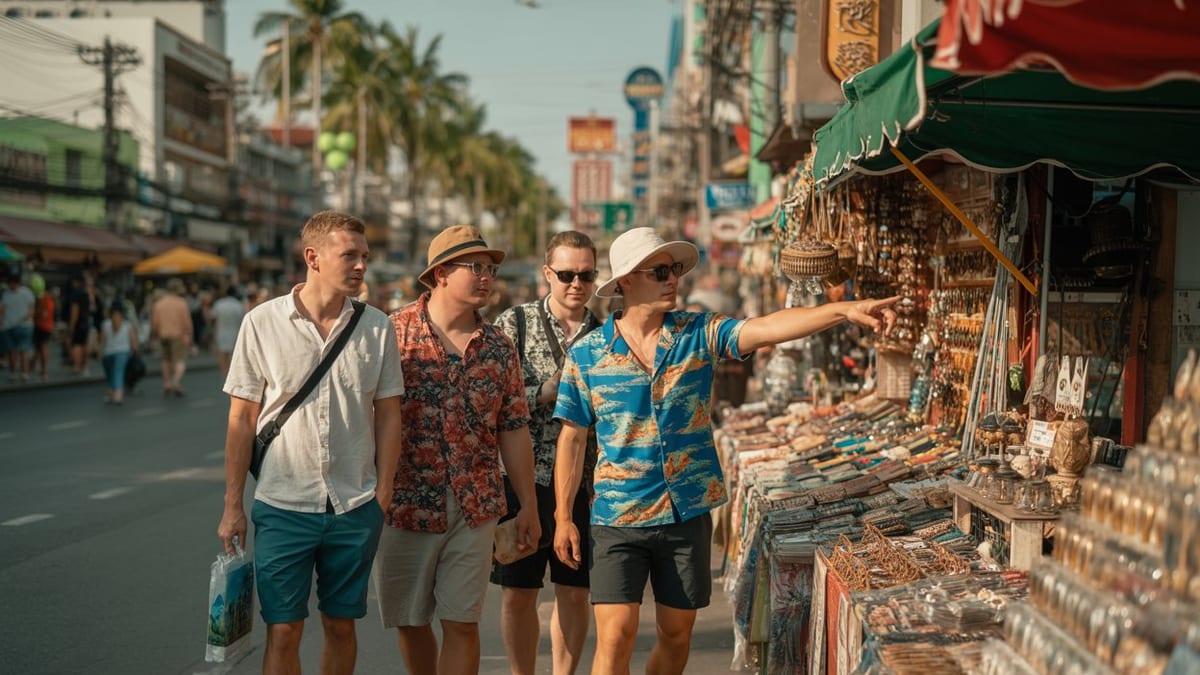
Image by Travel And Tour World
Russian Arrivals Surge as Thailand Courts Longer Stays
Thailand is betting heavily on the Russian market, and Pattaya is one of the clearest places to see that strategy on the ground. Tourism Authority of Thailand targets for 2024 and 2025 position Russia among the kingdom’s fastest-growing long-haul markets, with authorities aiming for around 2 million or more Russian visitors annually based on recent growth from pre-pandemic levels. Visa relaxations and extended-stay promotions are designed to capture travelers pushed out of traditional European beach destinations and looking for warm-weather alternatives with easy air links.
Industry statistics shared in Russian and Thai trade media show that Russian arrivals surpassed 1.4 million in 2023 and continued climbing in 2024 and early 2025, putting Russia among Thailand’s top five source markets. This has helped Pattaya, historically reliant on short-haul Asian visitors and nightlife tourism, maintain high occupancy across the winter high season as Russians increasingly stay for weeks or even months at a time in coastal neighborhoods such as Jomtien.
Recent commentary from regional tourism analysts describes this Russian influx as structurally different from earlier waves. Instead of predominantly adult nightlife visitors on short trips, the current pattern features families, digital workers, and retirees drawn by relatively affordable long-stay condos, international schools and childcare, and a dense network of beaches, water parks, and nature attractions within an hour’s drive.
Pattaya’s Image Shifts Beyond Walking Street
For decades, Walking Street defined Pattaya in the global imagination as one of Asia’s most prominent red-light and nightlife districts. Bars, go-go venues, and late-night entertainment still operate there, but the city’s broader tourism mix is changing. Municipal campaigns and national branding efforts increasingly highlight sports events, beach clean-ups, and family festivals instead of party culture.
Reports in local English-language media describe city-backed festivals that prominently feature Russian families among the crowds on Pattaya Beach, along with promotional materials that focus on cultural performances, kids’ activities, and beachfront sports. Tourism officials publicly emphasize “high-value” and “sustainable” tourism, a framing that aligns better with families and nature travelers than with bar-hopping visitors.
At the same time, Pattaya’s visitor numbers are rebounding strongly. Estimates for 2024 indicate that the city welcomed well over 20 million domestic and international visitors over the year, approaching or surpassing some pre-pandemic records. Yet much of the new marketing narrative centers on quieter areas like Jomtien and Na Jomtien, as well as green spaces around Chonburi province, rather than the traditional nightlife core.
Nature, Islands, and Eco-Focused Day Trips Gain Ground
As more Russian families base themselves in Pattaya for extended stays, nearby nature spots are seeing a corresponding rise in visibility. Koh Lan, the small island off Pattaya’s coast accessible by ferry, is heavily promoted as a day-trip destination for snorkeling, clear-water beaches, and coastal walks. Travel agencies and online platforms increasingly package it with Russian-language guides and family-friendly itineraries, highlighting shaded beach clubs, kayak rentals, and viewpoints instead of only watersports and bars.
On the mainland, green tourism projects around Chonburi province are becoming part of Pattaya-focused marketing. Published coverage in regional outlets points to renewed attention on Khao Kheow Open Zoo and its surrounding forested area, cycling and hiking routes, and community-based eco-tours that combine wildlife encounters with local food and craft experiences. These products align closely with demand from parents looking for educational, low-alcohol activities suitable for children.
Russian-language social media groups and travel blogs, which have become a key planning channel, frequently highlight day trips to botanical gardens, vineyard tours in the nearby hills, and quieter beaches further south along the Gulf of Thailand. This online word-of-mouth is helping reframe Pattaya in the Russian travel conversation from a “party town” to a base for soft adventure, coastal exploration, and accessible nature.
Water Parks, Theme Parks, and Suburban Family Hubs
The physical landscape around Pattaya is evolving in ways that reinforce the family shift. Major water parks such as Ramayana Water Park and Columbia Pictures Aquaverse, both located a short drive south of the city, position themselves as full-day, family-oriented attractions with wave pools, children’s play zones, and branded rides. International and regional travel coverage has highlighted these parks as signature draws for visitors traveling with children.
Developers have complemented this trend with new malls, community markets, and mid-range hotels in Jomtien and Na Jomtien, where many Russian families now prefer to stay. Condominium complexes with pools, playgrounds, and co-working spaces cater to long-stay guests who want more of a neighborhood feel than the city-center hotel zone. Local news reports indicate that Russian is now widely used on signage, restaurant menus, and activity boards in these districts.
Even within central Pattaya, new attractions emphasize interactive museums, family entertainment centers, and rooftop viewpoints rather than exclusively nightlife. Tourism planners talk about “multi-generational” travel, and businesses respond with bundled tickets, kids-go-free promotions, and shuttle services linking hotels to nature-based and theme park attractions across the wider region.
Economic Upside and Questions About Sustainability
The Russian family boom is injecting much-needed spending into Pattaya’s tourism economy after a period of volatility and slower growth in some other markets. Analysts note that long-stay visitors typically spend more overall than short-stay package tourists, especially on accommodation, groceries, schooling, and local services. This has buoyed small businesses from beachside cafes and dive shops to language schools and childcare providers.
At the same time, the rapid pivot toward one major nationality raises familiar questions about resilience and balance. Previous tourism cycles in Pattaya relied heavily on single markets such as Chinese group tours, leaving the city exposed when geopolitical or economic conditions changed. Industry observers now debate how to leverage the Russian family surge while continuing to diversify toward European, Asian, and Gulf markets and encouraging domestic Thai tourism.
Environmental sustainability is another concern as more visitors seek out islands, beaches, and green spaces. Local coverage from Chonburi highlights initiatives such as reef-restoration projects, visitor caps on certain fragile sites, and campaigns against single-use plastics on tour boats. Whether these measures can keep pace with rising nature tourism will be a key test of Pattaya’s repositioning as a family- and eco-friendly hub rather than a purely mass-market resort.
For now, however, the transformation is visible in everyday scenes along the coast: strollers on beach promenades, Russian-language children’s books in café libraries, and families boarding ferries with snorkel gear instead of groups heading out for late-night bar crawls. Pattaya’s tourism story is no longer only about nightlife; increasingly, it is being written by Russian parents and their children looking for sun, sea, and a slice of Thai nature.