

More news on this day
Rwanda is rapidly consolidating its reputation as a premier sports tourism hub, joining countries such as Germany, the United Kingdom, the United States, Italy, and Spain in leveraging iconic events to drive visitor growth, elevate its global profile, and reinforce its broader economic transformation agenda.
Get the latest news straight to your inbox!
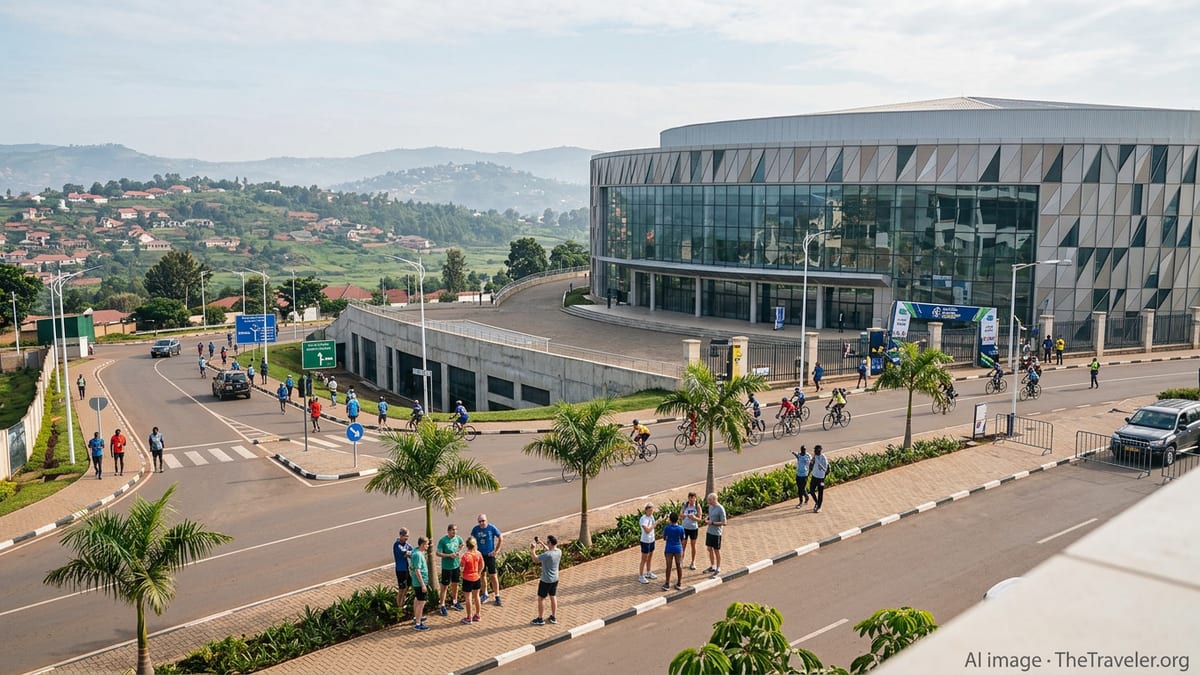
From Gorilla Trekking to Global Arenas
For years, Rwanda’s tourism story was dominated by high-end, low-volume nature experiences, particularly mountain gorilla trekking and national park safaris. Recent data shows that this core remains strong, with the country’s tourism revenues surpassing 600 million dollars in 2023 and continuing to climb in 2024, supported by rising international arrivals and new upscale eco-lodges. At the same time, policymakers and industry leaders are deliberately widening the portfolio beyond nature-based travel.
Sports tourism now sits alongside conferences and exhibitions as a strategic pillar of this diversification. Kigali’s modern skyline, expanding hotel capacity, and efficient transport network are increasingly matched by dedicated sports infrastructure, enabling Rwanda to compete for events that once bypassed the African continent. This shift reflects a broader global trend that has seen destinations like Germany, the United Kingdom, the United States, Italy, and Spain convert stadiums, arenas, and cycling routes into powerful magnets for high-spending visitors.
According to publicly available information from the Rwanda Development Board and international tourism bodies, Travel and Tourism’s contribution to Rwanda’s economy reached record highs in 2024, with forecasts pointing to double-digit growth in 2025. Within that performance, meetings, incentives, conferences, and events are highlighted as a major source of revenue, and sports tournaments are increasingly counted among the country’s flagship draws.
Industry analysts note that Rwanda’s shift mirrors earlier moves by established European hosts that used mega-events such as FIFA World Cups or Olympic Games to stimulate infrastructure upgrades, brand visibility, and year-round visitor appeal. Kigali’s strategy is more targeted and incremental, but it aims for similarly durable benefits rather than one-off spectacle.
Iconic Events: Cycling, Basketball, and Marathons at Altitude
Rwanda’s calendar of international competitions has expanded significantly in the past decade, anchored by road cycling, elite basketball, and mass-participation running events that capitalize on the country’s dramatic landscapes and high-altitude capital. The Tour du Rwanda has evolved from a regional race into a fixture on the UCI Africa Tour, drawing professional teams and global media attention to challenging routes that snake through volcanic ranges and terraced hillsides.
The Kigali International Peace Marathon, a World Athletics Label Road Race, has similarly matured into a marquee event on the African running circuit. Its combination of elite competition and inclusive community races is increasingly promoted as an opportunity for visitors to experience Kigali’s clean streets, safety, and striking cityscape while participating in a race with a peace and reconciliation narrative rooted in Rwanda’s recent history.
Basketball has emerged as another powerful showcase. BK Arena in Kigali, a 10,000-seat indoor venue, has hosted multiple seasons of the Basketball Africa League playoffs and finals. Reports indicate that the arena’s modern facilities, coupled with new training courts and community gyms, support both elite tournaments and a growing domestic sports culture. These events bring in players, officials, sponsors, and fans from across the continent and beyond, filling hotels and restaurants while broadcasting images of Kigali to international audiences.
The country’s upcoming role as host of the 2025 UCI Road World Championships, the first time the event will be held in Africa, is widely viewed as a watershed moment. Cycling federations and travel media point to the championships as an opportunity to cement Rwanda’s position alongside European strongholds in road cycling, aligning it with destinations in Italy, Spain, Germany, and the United Kingdom that have long linked mountain stages and historic towns to tourism campaigns.
Sports Tourism as a Catalyst for Wider Economic Growth
The economic rationale behind Rwanda’s sports tourism push is clear. Studies from international organizations and academic institutions on major global events, including tournaments in Germany, the United Kingdom, Italy, Spain, and the United States, underline how carefully managed competitions can generate visitor spending, justify infrastructure upgrades, and enhance a destination’s international brand. Rwanda’s strategy borrows from these precedents while tailoring investments to its smaller scale.
Government statistics and independent analyses show that tourism remains one of Rwanda’s top foreign exchange earners, accounting for a notable share of gross domestic product and supporting thousands of jobs. Within that, the meetings, incentives, conferences, and exhibitions segment generated close to 95 million dollars in 2023 before stabilizing around the mid-80 million dollar mark in 2024, with a portion of that linked to sports and entertainment events hosted in Kigali and secondary cities.
Reports from local business media indicate that Rwanda aims to more than double MICE and events revenues by 2028, targeting over 220 million dollars annually. Sports are explicitly woven into this ambition, from triathlons and Ironman-branded competitions to international motorsport congresses and award ceremonies. Collectively, these events are credited with generating tens of millions of dollars in recent years, contributing to hotel occupancy, airline traffic, catering, and logistics services.
Compared with the multibillion-dollar outlays associated with mega-events in larger economies, Rwanda’s model emphasizes incremental expansion and multi-use infrastructure. BK Arena, new cricket and golf facilities, and refurbished stadiums are promoted not only as venues for continental championships but also as year-round platforms for concerts, corporate gatherings, and local leagues, spreading economic benefits beyond a single event window.
Cultural Tourism, Heritage, and the "Visit Rwanda" Brand
Rwanda’s rise as a sports destination is closely intertwined with its cultural tourism offer. International visitors attending basketball games, cycling races, or conferences are encouraged to extend their stays to explore Kigali’s museums, coffee shops, fashion boutiques, and memorial sites, as well as rural experiences that highlight traditional crafts and community-led initiatives. This integrated approach echoes strategies pursued in Italy and Spain, where visitors combine football matches or cycling stages with city breaks and coastal stays.
The "Visit Rwanda" brand, widely visible through sponsorship agreements with top-tier football and basketball clubs in Europe and North America, is central to this positioning. According to publicly available information, these partnerships are designed to showcase Rwanda’s landscapes, wildlife, and contemporary urban culture to millions of fans worldwide. Sports broadcasts featuring Kigali or national parks function as rolling advertisements, reinforcing the image of a modern, dynamic destination.
Cultural festivals, fashion events, and gastronomic experiences are increasingly scheduled to coincide with major tournaments and conferences. Industry observers say this coordination aims to boost visitor spending per trip, encourage repeat travel, and differentiate Rwanda from competing destinations that may offer similar wildlife or conference facilities but lack the same fusion of sport, culture, and narrative around transformation.
At the same time, heritage and remembrance remain central to Rwanda’s tourism identity. Organizers of sports events often highlight opportunities for participants and spectators to learn about the country’s history and reconciliation journey, positioning travel not only as leisure but also as education and reflection. This combination of high-energy competition and thoughtful cultural engagement is one factor that analysts suggest sets Rwanda apart in the global sports tourism market.
Competing on a Global Stage With Targeted Investments
Rwanda’s sports tourism ambitions unfold against a competitive backdrop. Germany’s experience with FIFA World Cups and fan festivals, the United Kingdom’s long-standing role in hosting Premier League football and global athletics, the United States’ professional sports leagues and forthcoming World Cup and Olympic events, and Italy and Spain’s cycling grand tours and coastal tournaments all illustrate how major economies harness sport to drive visitation and investment.
Instead of trying to replicate these megastructures, Rwanda is focusing on niche strengths. Its high-altitude terrain is suited to endurance sports; its compact geography simplifies logistics; and its positioning as one of Africa’s safest and cleanest capitals appeals to event organizers looking for reliability. Published coverage notes that Kigali now ranks among the world’s leading conference cities, with improved connectivity through its international airport and national carrier creating additional synergies.
Challenges remain, including geopolitical tensions in the wider region, the need to ensure that local communities benefit from event-related development, and the imperative to keep tourism growth aligned with environmental conservation. Reports from multilateral institutions emphasize that safeguarding protected areas, managing land use, and building climate resilience will be essential if Rwanda is to sustain high-value tourism, whether built on gorillas, golf tourism, or global cycling championships.
Even so, recent performance indicators and the pipeline of confirmed events suggest that Rwanda’s bet on sports tourism is gaining traction. As the 2025 road cycling world championships approach and BK Arena continues to host continental basketball showpieces, Rwanda is increasingly cited alongside established hosts in Europe and North America as an example of how strategically curated sporting events can reinforce a country’s status as a prestigious visitor destination and a rising economic powerhouse.