

More news on this day
European low cost carriers Ryanair and easyJet have both adjusted their cabin baggage policies, giving travellers a little more room to pack while keeping tight control over optional extras.
Get the latest news straight to your inbox!
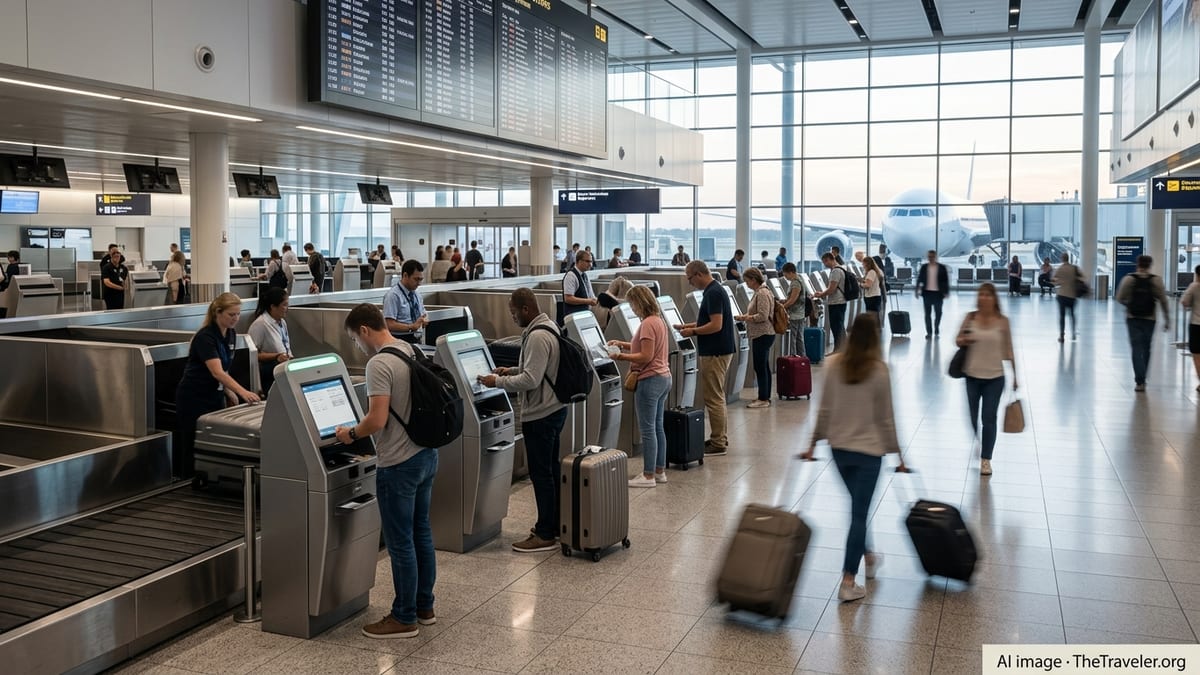
Bigger free bags at Ryanair after 2025 rule change
Ryanair has introduced a noticeably larger free cabin bag allowance, following a policy shift that took effect in September 2025. Publicly available information shows that the airline increased the permitted size of its free underseat personal item by about 20 percent, to a maximum of 40 x 30 x 20 centimetres. The bag still needs to fit under the seat in front, but the extra depth and width give passengers more flexibility to use compact backpacks and small wheeled cases that previously risked being oversized.
Reports indicate that the change was prompted in part by ongoing debate within the European Union over minimum cabin baggage rights. Coverage of the new rules notes that the expanded dimensions place Ryanair’s free personal item above an emerging EU reference size for underseat bags, signalling that the carrier wants to remain competitive on headline allowances even while keeping its base fares stripped back.
Despite the extra space, Ryanair has not altered its basic model. A second, larger cabin bag for the overhead bins remains a paid extra, either through priority boarding products or a separate cabin-bag fee. That means passengers who want to travel with a typical 10 kilogram trolley case must still factor in ancillary charges when comparing fares, even though stuffing a roomier underseat bag is now a more realistic option.
Consumer travel sites point out that enforcement of the new dimensions is tied closely to bag sizers at airports, which Ryanair has also been updating. Travellers who bought luggage to match the airline’s previous limit are generally finding that their bags still pass, while some bulkier backpacks that once required an upgrade may now qualify as free personal items if they remain within the new 40 x 30 x 20 centimetre frame.
easyJet leans on generous underseat bags and paid upgrades
While Ryanair has moved to enlarge its free personal item, easyJet has for some time offered one of the more generous underseat bag policies among Europe’s budget airlines. easyJet’s current rules, as summarised in its published guidance and recent travel coverage, allow every passenger to bring on board a small cabin bag that fits under the seat with maximum dimensions of 45 x 36 x 20 centimetres. Handles and wheels count towards this limit, but the overall volume is among the largest standard free allowances in the low cost sector.
The airline has not recently changed those core dimensions, but it has refined how travellers can access additional overhead space. A larger cabin bag, typically up to 56 x 45 x 25 centimetres, remains available as part of certain fare bundles, such as Inclusive Plus tickets, or through paid options and easyJet Plus membership. This layered structure allows travellers to decide whether to pay for a second, bigger cabin bag or adapt to the free underseat size.
Analysts note that this approach aligns with easyJet’s broader strategy of generating significant revenue from extras, while avoiding dramatic cuts to base allowances that might provoke a backlash. By keeping the underseat bag comparatively spacious, the airline can argue that most short break passengers should be able to travel without hold luggage, even if many will pay extra for the convenience of an overhead case.
For travellers, the practical effect is that easyJet’s free option remains one of the most flexible in Europe, especially for those willing to optimise packing. Specialist bag makers have responded by designing 30 to 40 litre backpacks that exactly match the 45 x 36 x 20 centimetre box, marketed specifically at easyJet and similar underseat policies.
More flexibility, but charges for overhead space remain
Across both airlines, the direction of travel is towards slightly more generous free space at the feet, rather than a return to the era of complimentary overhead cabin suitcases for every passenger. Ryanair’s 20 percent increase in its free personal item and easyJet’s ongoing commitment to a relatively large underseat allowance amount to a softening at the margins, giving passengers more realistic room for a weekend trip without paying for a checked bag.
At the same time, both carriers continue to rely heavily on fees for larger cabin bags placed in the overhead lockers. Publicly available fare tables and ancillary revenue reports indicate that these charges remain a major line of income, which neither airline appears willing to sacrifice. The result is a compromise: more flexible free bags under the seat, but strict control of overhead bin space, often linked to priority boarding and bundled products.
Travel commentators suggest that this model also helps with boarding efficiency. Limiting the number of large cabin bags reduces competition for overhead compartments, which can speed up departure at busy airports. By allowing slightly larger personal items instead, airlines seek to improve the customer experience at relatively low operational cost.
For budget conscious travellers, the message is clear. The latest policy tweaks do create more room to pack without extra fees, but savings still depend on careful planning. Choosing luggage that precisely matches each airline’s free dimensions and keeping weight under informal thresholds remain essential strategies to avoid unexpected charges at the gate.
How the new rules shape trip planning in 2026
The recent updates at Ryanair and the steady structure at easyJet are reshaping how many passengers plan short haul trips across Europe in 2026. With a 40 x 30 x 20 centimetre allowance at Ryanair and 45 x 36 x 20 centimetres at easyJet, a new generation of “underseat only” travellers is emerging, aiming to avoid both hold luggage fees and overhead cabin charges.
Travel industry coverage highlights that city break travellers, digital nomads and students are among the groups most likely to benefit. A compact underseat backpack or slim wheeled case now offers enough room for several days’ worth of clothing and essentials, particularly outside winter. This has encouraged a wave of guides and packing tutorials focused on maximising the newly expanded capacities.
The competitive landscape is also shifting. As lawmakers in Brussels continue to debate giving all passengers a right to an additional free cabin suitcase, low cost airlines are adjusting in advance by making their personal item policies more generous while defending their ability to charge for overhead bags. Ryanair’s move to allow a larger free item, slightly exceeding proposed EU minimums, is widely interpreted as an attempt to stay ahead of regulation while keeping its core business model intact.
For travellers comparing fares, these nuances make it more important than ever to read baggage rules before booking. The headline ticket price rarely tells the full story. However, the latest changes mean that with the right bag and a minimalist packing mindset, more passengers can now fly across Europe on Ryanair and easyJet with everything they need tucked neatly under the seat, without paying a cent extra for luggage.