

More news on this day
European holidaymakers face renewed uncertainty this summer as Ryanair chief executive Michael O’Leary warns that jet fuel shortages linked to the escalating Middle East conflict could disrupt flights and push up ticket prices across the continent.
Get the latest news straight to your inbox!
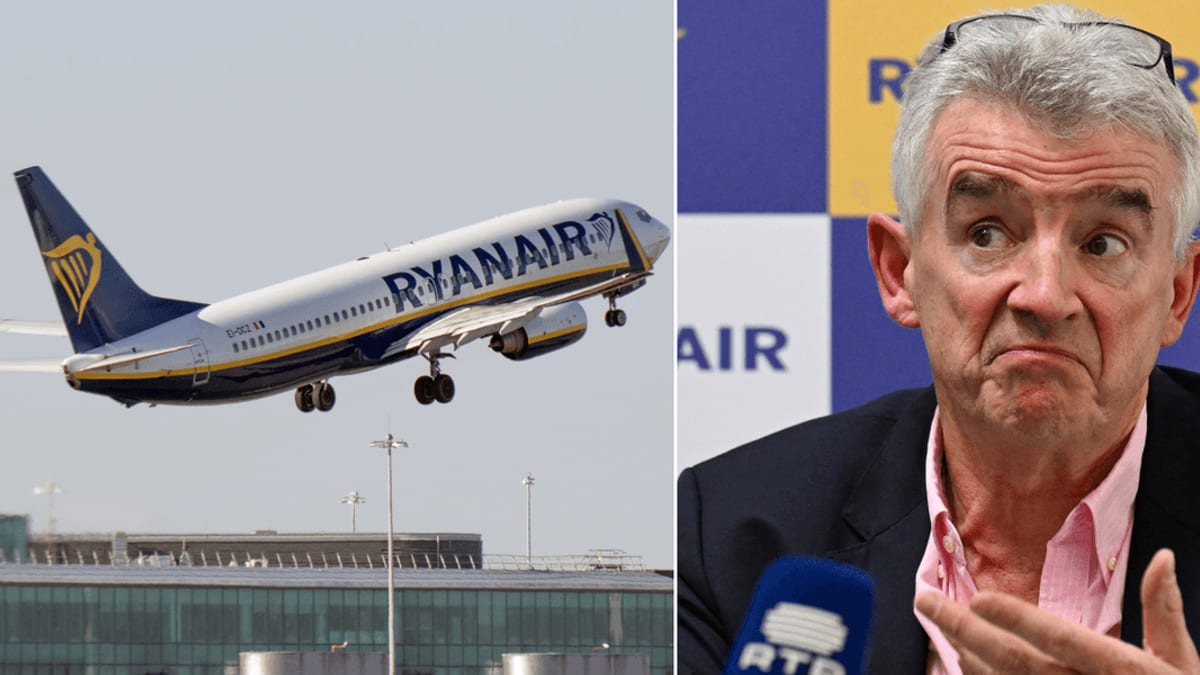
Image by GB News
Fuel supply fears raise prospect of cancelled flights
Recent public comments from Ryanair’s leadership indicate growing concern that Europe’s aviation sector could be hit by jet fuel supply disruptions from late spring into the peak summer season. Reports citing Michael O’Leary describe a scenario in which up to a quarter of the airline’s fuel supplies could be at risk if the conflict in the Middle East continues to disrupt oil flows and refining output into early summer.
According to published coverage, O’Leary has warned that if shortages materialise, Ryanair and its rivals may be forced to trim capacity, including cancelling some flights, in order to preserve fuel for the most in-demand routes and maintain an overall viable schedule. While the airline has reportedly stressed that its near-term fuel needs are currently covered, the warnings underline how rapidly conditions could change if supply bottlenecks intensify.
Industry reports also highlight concerns around potential blockages or heightened risk in key maritime chokepoints for oil shipments, as well as reduced availability of refined jet fuel in Europe. Analysts note that even relatively modest disruptions to fuel supply can have outsized effects on short-haul carriers operating dense summer timetables, where aircraft utilisation is already at seasonal peaks.
For travellers, the key takeaway is that airlines are openly discussing the possibility that they may “have to” cancel journeys later in the summer if fuel becomes scarce or prohibitively expensive, even if current schedules continue to operate as planned.
Airfares expected to climb as capacity tightens
Beyond the risk of outright cancellations, Ryanair’s leadership has signalled that passengers should be prepared for higher fares during the 2026 summer season. Coverage of recent comments by O’Leary indicates that average ticket prices could rise compared with last year, driven by a combination of constrained capacity, higher fuel costs and strong leisure demand.
Ryanair has historically differentiated itself by aggressive pricing and extensive fuel hedging, which allows the carrier to lock in a portion of its fuel costs in advance. Publicly available information suggests the airline is better protected than some competitors from short-term price spikes. However, if physical shortages emerge or the conflict-driven volatility in oil markets persists, even hedged airlines may face pressure to pass some costs on to customers.
Other European and international carriers have already responded to higher fuel prices by adding surcharges or selectively cutting less profitable routes, according to recent industry reports. Should Ryanair and rival low-cost airlines be required to trim schedules, the resulting reduction in seat supply on popular holiday routes could further support higher fares, especially during school holidays and weekend peaks.
Travel analysts note that the combination of strong pent-up demand for Mediterranean and city-break travel, tighter fuel markets and limited spare aircraft capacity across the industry points to a summer in which bargain last-minute fares are harder to find than in previous years.
Middle East conflict and global oil market at the heart of the risk
The warnings from Ryanair’s boss come against a backdrop of increasing alarm from energy agencies and market observers about the impact of the Middle East conflict on global oil and refined product supplies. Recent commentary from international energy bodies has pointed to a likely increase in supply disruptions from April, with jet fuel and diesel flagged as particularly vulnerable segments.
Reports indicate that shipping routes near key regional hotspots, as well as infrastructure connected to the Strait of Hormuz, are drawing heightened security scrutiny. Any sustained disruption in these channels can quickly ripple through to European refineries and aviation fuel distributors, given the continent’s reliance on imported crude and products.
For airlines, this creates a dual challenge: physical uncertainty over future deliveries and pricing volatility that complicates planning for the busy summer season. Carriers typically finalise their summer schedules months in advance, but the current geopolitical environment is forcing operations and finance teams to model multiple contingency scenarios, including selective route reductions should fuel supply tighten.
While some airlines have already cancelled or suspended flights in regions directly affected by security concerns, the emerging risk highlighted by Ryanair is broader: a Europe-wide squeeze on jet fuel that could impact operations far from the conflict zone, including key holiday markets in Spain, Italy, Greece and beyond.
European travellers face renewed anxiety after recent summers of disruption
The prospect of fuel-linked summer cancellations adds a new layer of uncertainty for European travellers who have already endured several seasons marked by disruption from strikes, staffing shortages and air traffic control problems. In previous years, Ryanair itself has clashed publicly with European air traffic control providers and has at times reduced services on certain days when large-scale strikes or system issues were expected.
Although the current warnings are driven by fuel rather than labour or technical constraints, the practical impact for passengers could feel similar: last-minute schedule changes, longer journey times and occasional scrambles to rebook at short notice. Consumer advocacy groups have repeatedly reminded travellers that European air passenger regulations continue to apply, including rights to rerouting and refunds when flights are cancelled, although compensation rules can be more complex when disruptions are tied to external events.
Travel industry commentators suggest that holidaymakers may respond by building in more flexibility, such as allowing additional buffer days at the start or end of trips, choosing flights earlier in the day when operational resilience is typically higher, and favouring direct services over itineraries requiring tight connections.
Package tour operators, which depend heavily on carriers like Ryanair for charter and seat-only allocations, are also monitoring the situation closely. Any significant schedule reshaping by major low-cost airlines could force changes to departure days or durations for popular resort packages, particularly on routes where there are limited alternative carriers.
What travellers can do now as airlines monitor the summer outlook
Despite the stark language about potential fuel shortages, current reporting suggests that Ryanair’s planned schedule for the coming weeks remains intact and that the airline’s immediate fuel supply is secure. The warnings are largely focused on what could happen if the conflict-driven pressures on oil and refined product markets worsen as the summer peak approaches.
Travel experts recommend that passengers booking for June, July and August keep a close eye on airline updates and be prepared for possible timetable changes. Flexible tickets, where available, and travel insurance that explicitly covers schedule disruption can provide additional protection, although coverage terms vary and need to be checked carefully.
Passengers are also advised to monitor their booking management tools and mobile apps regularly in the weeks before departure, as airlines typically communicate any schedule changes or cancellations through these channels first. In the event that journeys are cancelled, travellers should move quickly to secure alternative options, as remaining capacity on popular routes can sell out rapidly when widespread disruption occurs.
For now, Ryanair’s message, as reflected in public reporting, is one of cautious warning rather than immediate cutbacks. However, the acknowledgement that the airline may “have to” cancel some journeys if fuel shortages intensify serves as an early signal that Europe’s aviation recovery remains closely tied to fragile global energy markets and evolving geopolitical risks.