

More news on this day
Ryanair passengers looking for a calmer, more comfortable journey on the airline’s Boeing 737 fleet are increasingly turning to seat maps and traveller reports to pinpoint which rows offer the best mix of legroom, quiet and convenience.
Get the latest news straight to your inbox!
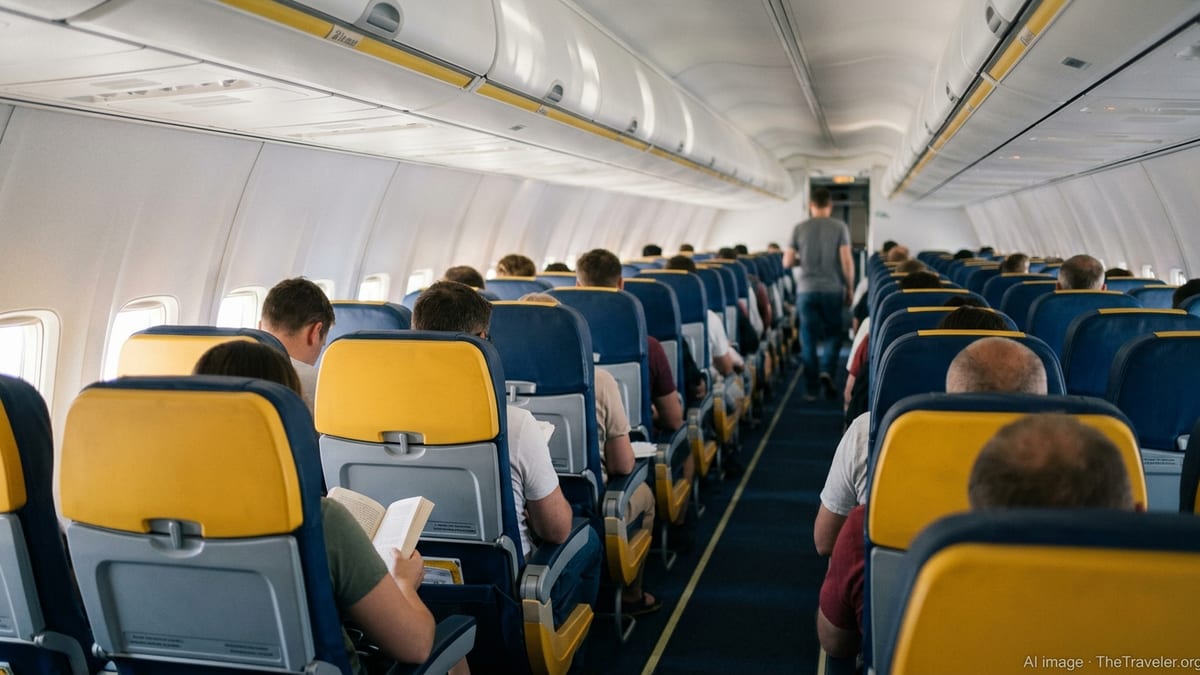
How Ryanair’s Cabin Layout Shapes Comfort
Ryanair operates an almost all Boeing 737 fleet, and that consistency means patterns have emerged in where passengers are most likely to find a more relaxed ride. Publicly available seat maps for the airline’s 737-800 and newer 737-8-200 aircraft show tightly packed standard rows, premium seats at the front, and extra legroom at the emergency exits, with only small variations between configurations.
Reports indicate that standard seat pitch is around 29 inches, with a seat width of roughly 15.5 inches, so even a small gain in space can make a noticeable difference on popular two to three hour European sectors. Travel blogs that have analysed Ryanair’s layouts note that premium rows near the front and exit rows around the wings can add several inches of legroom compared with regular economy, which tall travellers often describe as a worthwhile upgrade on busier routes.
Because Ryanair generally boards through both front and rear doors where airport facilities allow it, the airline’s single cabin is effectively divided into three functional zones: the forward premium rows, the central block around the wings, and the rear section. Each behaves differently in terms of noise, movement and foot traffic, which influences how peaceful each part of the aircraft tends to feel.
Seat selection has therefore become part of the airline’s business model. Passengers can pay extra for specific rows, or accept a randomly allocated seat at check in, which many budget travellers still choose. That system shapes how the cabin fills up and affects which areas remain quieter, especially on flights that do not depart completely full.
The Quietest Rows for a Peaceful Journey
For travellers prioritising a quieter experience, several patterns stand out across Ryanair’s 737 layouts. Aviation seat guides and independent travel sites consistently point to the forward part of the main economy cabin, ideally just ahead of the wings, as offering a good balance of calm and stability. In this zone, passengers are away from both rear galley and lavatory queues and from some of the higher engine noise at the very back.
Rows in the low teens often emerge as a sweet spot on Ryanair’s 737-800 aircraft, sitting near or slightly in front of the wing without being too close to service areas. On many layouts, these rows are far enough from the front galley to avoid constant movement, yet still benefit from a more settled cabin atmosphere than the last few rows. Window seats in this region tend to feel more private, giving passengers a wall to lean against and less exposure to aisle traffic.
Travellers who are sensitive to noise are frequently advised to avoid seats directly adjacent to the front or rear toilets, where doors, flushes and waiting passengers can create a steady hum of activity. The final row can also be less desirable, as it often has restricted recline and sits only a few steps from the busiest part of the rear galley. Frequent flyers commenting on Ryanair’s layouts regularly highlight these positions as the least peaceful, despite sometimes being cheaper to reserve.
Some flyers still choose the very back in the hope of securing an empty neighbouring seat on less crowded flights. However, recent analyses of Ryanair’s random seat allocation patterns suggest that the rear and mid sections tend to fill early, making this less reliable as a strategy for finding extra space than in previous years.
Extra Legroom and the Best Rows for Tall Travellers
For passengers focused on legroom, Ryanair’s extra space is concentrated in two main areas: the first few rows at the front and the emergency exit rows over the wings. Seat guides compiled in late 2025 and early 2026 describe rows 1 to 5 as premium seating with increased pitch compared with standard rows, while exit rows around the mid cabin can provide approximately 35 inches of legroom on some 737-8-200 aircraft.
Row 1 typically offers the most knee room, but comes with trade offs. Because it is a bulkhead row, there is no under seat storage, and passengers must stow all bags in the overhead compartments for take off and landing. Fixed armrests can also narrow the usable seat width slightly. For travellers who value stretching their legs above easy access to personal items, however, this front row is regularly ranked among the best choices on Ryanair.
Exit rows around the wings are another strong option, particularly on longer routes. These seats provide significantly more space to move and tend to be popular with taller passengers. They do, however, carry restrictions: travellers in these rows must be able and willing to assist in an emergency, and people under 16, families with infants, and some passengers requiring special assistance are not permitted to sit there. Bags must be stowed in the overhead bins rather than under the seat in front.
Regular Ryanair flyers also note that not all extra legroom rows feel the same. On some aircraft, seats directly in front of the exit row lose recline to keep the emergency path clear, which can make them less comfortable despite their proximity to the more spacious row behind. Because Ryanair occasionally switches aircraft types on a route, seasoned travellers recommend checking the seat map again shortly before departure to confirm that the selected seat still offers the advertised legroom.
Aisle, Middle or Window: Choosing for Comfort and Calm
Once a general area of the cabin has been chosen, the decision between aisle, middle or window plays a key role in how comfortable the journey feels. For a quieter, less interrupted experience, many travel writers and frequent flyers favour the window seat. It keeps passengers away from bumps from passing trolleys and other travellers, and allows them to lean against the wall to sleep, which can be particularly useful on early morning or late evening Ryanair services.
Aisle seats remain popular with passengers who value easy movement, especially on flights where cabin service and toilet visits are more frequent. On Ryanair’s single aisle 737s, choosing an aisle in the calmer central rows can provide a good compromise between accessibility and relative peace. However, these seats typically involve more disturbances from people moving through the cabin or reaching past to the overhead lockers.
Middle seats are generally considered the least desirable on Ryanair, combining limited shoulder room with no direct access to the aisle or window. Travellers who forgo seat selection and rely on the airline’s random allocation often find themselves in these positions. Some budget passengers accept this trade off to avoid extra fees, particularly on shorter flights, but others now opt to pay a modest supplement to guarantee a window or aisle in a preferred row.
Comfort strategies increasingly go beyond simple seat choice. Noise sensitive passengers are turning to earplugs or noise cancelling headphones, while those concerned about sleep bring neck pillows and layers to offset the cooler temperatures often reported around exit rows. Combined with thoughtful seat selection, these measures can significantly change the feel of a low cost flight.
Booking Strategies to Secure the Best Rows
Because Ryanair prices seats dynamically, the timing of selection influences both cost and choice. Consumer advice sites that track the carrier’s practices report that booking specific seats at the same time as the ticket purchase usually offers the widest selection across premium, extra legroom and standard rows. Waiting until online check in opens can be cheaper for some seats, but the most popular rows, such as the front few and key exit rows, are often already taken.
Analyses of Ryanair’s random seat allocation suggest that the airline tends to fill the aircraft from the rear and middle towards the front, and from windows and aisles towards the middle seats. Passengers who check in late without selecting a seat sometimes report being placed in mid cabin rows that are already busy, which can reduce the chance of leaving empty seats between strangers.
Regular travellers recommend a pragmatic approach. Flyers who strongly value peace and extra legroom are increasingly prepared to pay for premium or exit row seats well in advance, while those more focused on cost may monitor seat maps closer to departure to see if better options open up. Consumer pieces also highlight the importance of taking screenshots of seat selections, particularly when paying extra for specific rows, in case aircraft changes alter the configuration before the day of travel.
As competition on European routes intensifies, cabin layout and seat choice are becoming significant factors in how travellers judge low cost carriers. On Ryanair, understanding how the 737 cabin is structured and how different rows behave in real world use can help passengers transform a basic budget ticket into a journey that feels noticeably quieter and more comfortable.