

More news on this day
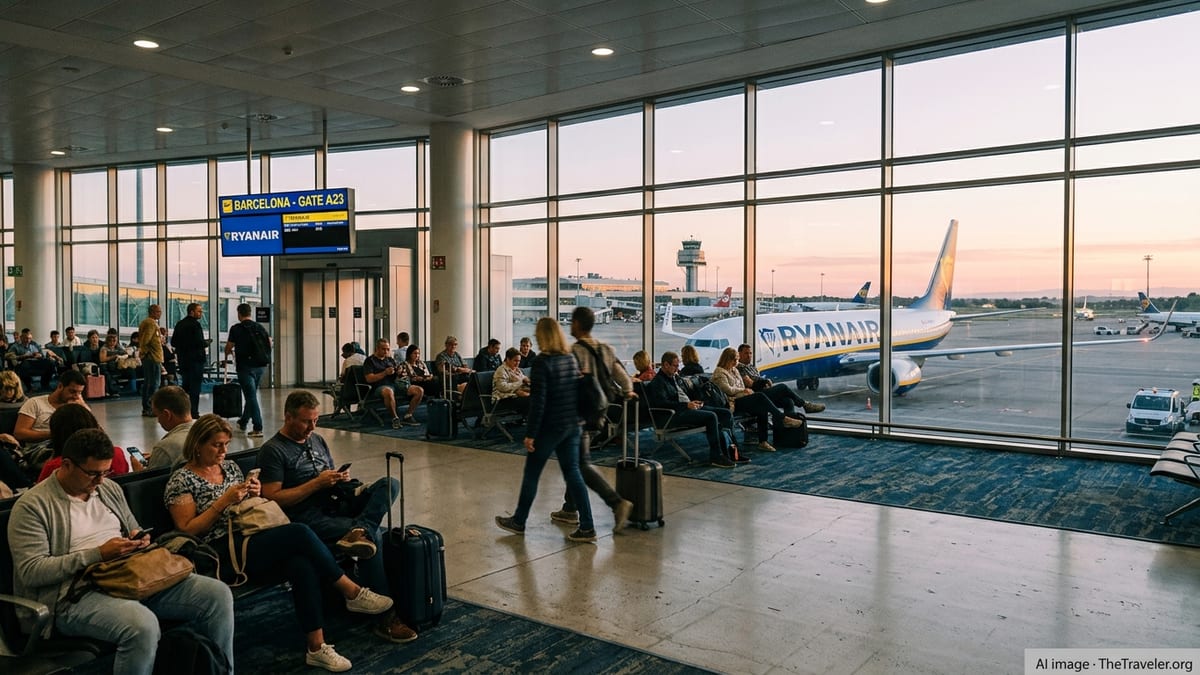
Ryanair is calling on passengers across Europe to help push back against air traffic control disruption that the airline warns could trigger a new wave of flight delays and cancellations to Spain just as the summer holiday season approaches.
Get the latest news straight to your inbox!
Campaign Targets Air Traffic Control Disruption
Ryanair has intensified its long running campaign over air traffic control disruption in Europe, warning that mismanaged and understaffed services risk further interrupting popular leisure routes, including those linking northern Europe with Spanish destinations. Publicly available information indicates that the airline has been highlighting rising delay levels since last year, even as overall traffic in European skies remains slightly below pre pandemic volumes.
The company argues that national air navigation services have not kept pace with demand during peak periods, particularly in the first wave of morning departures, when delays can cascade through the system and affect flights for the rest of the day. Spain, one of the airline’s largest markets, is especially exposed because many of its sun and city routes depend on punctual morning departures from the United Kingdom, Ireland and other European countries.
Industry data cited in recent coverage show that 2024 was a record year for air traffic control related delays in Europe despite fewer flights overall. Ryanair contends that, without reforms and better staffing plans, the pattern is likely to repeat in 2025 and could again force last minute schedule changes that inconvenience passengers heading to and from Spain.
New Passenger Push: Email Your Transport Minister
To increase political pressure, Ryanair has launched a new public facing initiative urging customers to contact their national transport ministers directly. According to recent reports, the airline has created online tools that provide template emails for passengers who have experienced, or are worried about, air traffic control disruption affecting their travel plans.
The templates encourage travellers to highlight the impact of repeated delays and cancellations on holidays and business trips, and to call for national authorities to ensure that air traffic control providers are adequately staffed and better managed ahead of the busy summer season. Ryanair’s messaging frames the effort as a way for passengers themselves to help reduce the risk of future disruption, particularly on cross border routes that do not begin or end in the country where the disruption originates.
Publicly available material shows that the carrier has also begun publishing league table style comparisons of air traffic control performance, spotlighting which national systems generate the highest volume of delays. The company says the intention is to make the issue more visible to passengers and policymakers alike and to underline the effect these operational problems can have on popular routes to destinations in Spain and other Mediterranean countries.
Focus on Protecting Overflights to Spain
Ryanair’s latest passenger mobilisation builds on a petition it submitted to European institutions calling for safeguards for so called overflights, which are flights that cross the airspace of a country without taking off or landing there. The airline argues that when national air traffic control strikes or staffing shortages occur, these overflights should be protected so that traffic between countries such as the United Kingdom and Spain can continue where possible.
According to the airline’s sustainability and annual reports, millions of passengers have already backed previous petitions urging the European Commission to require governments to ensure that overflights are maintained during periods of disruption. The documents state that similar protections already exist in several countries, including Spain itself, where minimum service rules are designed to limit the impact of strikes on the wider network.
Ryanair maintains that extending such protections more broadly across Europe would significantly reduce cancellations to Spanish destinations that result from problems in third country airspace. The company also links this to its environmental strategy, arguing that rerouting aircraft around closed airspace leads to longer flight paths, higher fuel burn and higher emissions, whereas keeping direct overflight corridors open during industrial action would both protect connectivity and limit unnecessary carbon output.
Growing Concerns Ahead of the Summer Peak
The timing of the airline’s latest campaign reflects growing concern that continued air traffic control disruption could coincide with a strong rebound in demand for Mediterranean travel. Industry statements and financial results released over the past year indicate that Ryanair has expanded its capacity in markets such as Spain, adding new routes and basing additional aircraft at Spanish airports to capture rising leisure demand.
Market data suggest that Spain remains one of the most sought after destinations for European travellers, particularly from the United Kingdom, Ireland, Germany and central and eastern Europe. Any renewed wave of air traffic control disruption, especially during school holidays and long weekends, could therefore have a disproportionate impact on holidaymakers headed for Spanish beach resorts and city break locations.
Analysts note that while airlines can sometimes re time services or reroute aircraft to mitigate disruption, air traffic control restrictions and national strike laws ultimately sit with governments and air navigation providers. Ryanair’s decision to involve passengers directly in lobbying efforts signals a belief that additional public pressure may be needed to spur action at national and European level before the peak travel months begin.
What Travellers Can Expect in the Months Ahead
For passengers planning trips to Spain, the airline’s campaign is emerging alongside broader advice from consumer bodies about how to manage potential disruption. European consumer centres and national regulators continue to remind travellers of their rights in cases of long delays and cancellations, including the right to rerouting or refunds and, in some circumstances, financial compensation under European passenger protection rules.
Travel industry commentators suggest that, while systemic reforms to air traffic control will take time, individual passengers can take practical steps such as building in longer connection times, favouring early flights where feasible, and monitoring airline notifications closely in the days before departure. Some also recommend considering travel insurance products that specifically cover disruption caused by strikes or airspace closures.
Ryanair, for its part, is betting that mobilising its large customer base will help push air traffic control reform higher up the political agenda. Whether this strategy results in fewer delays and cancellations to Spain in the coming seasons will depend on how governments respond, and on whether air navigation services can recruit and retain enough controllers to match growing demand for European air travel.