

More news on this day
Holidaymakers in Europe are being urged to brace for renewed flight disruption next month after Ryanair chief executive Michael O’Leary warned that jet fuel supply risks linked to the Middle East conflict could drive up fares and potentially trigger fresh rounds of cancellations over the busy late spring and early summer travel period.
Get the latest news straight to your inbox!
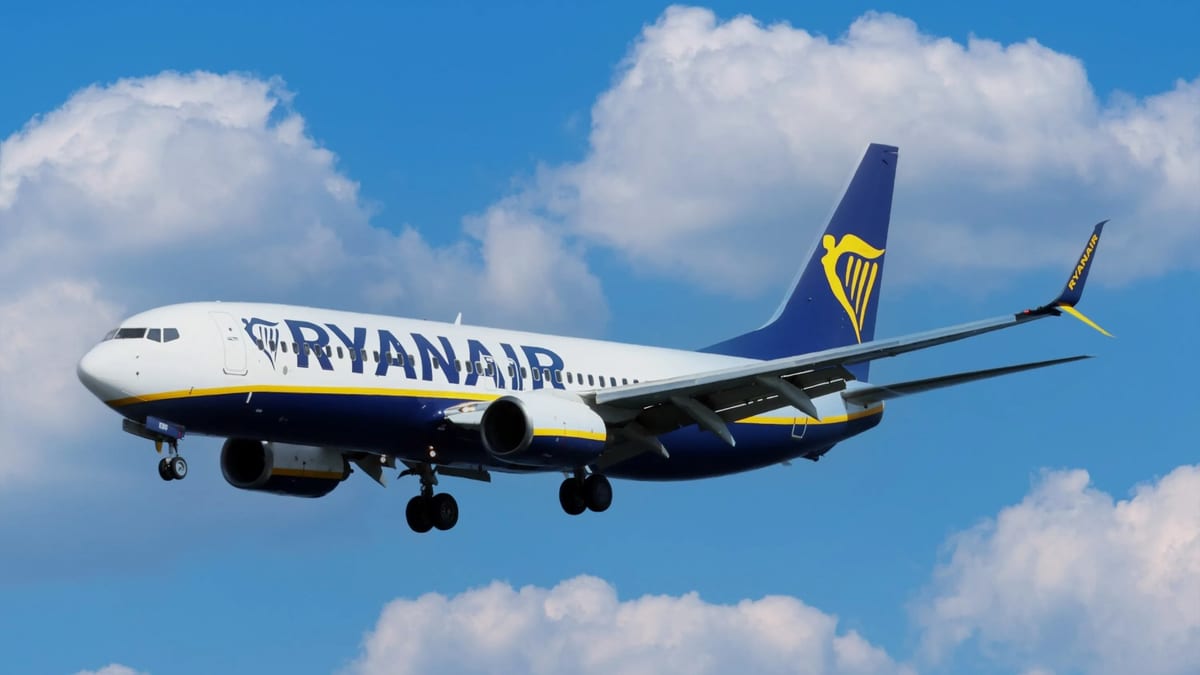
Image by The Sun
Fuel supply risks build as conflict squeezes oil flows
According to recent financial and industry coverage, Ryanair has signalled that as much as a quarter of its jet fuel needs for May and June could be exposed if the current disruption to oil flows from the Middle East continues into late April. Publicly available reports indicate that airlines across Europe are drawing up contingency plans as traders warn of tighter supplies of aviation fuel in the coming weeks.
Analysts point to the sharp rise in crude prices since the latest escalation in the region, with benchmark oil costs and jet fuel spot prices both climbing significantly over the first quarter of 2026. Aviation specialists note that supply chains are particularly vulnerable in Europe, where refineries rely heavily on imported crude and where storage capacity for aviation fuel is limited at several major hubs.
The concern for Ryanair and its rivals is that even short-lived shortages at key airports could force carriers to trim schedules, consolidate services or operate aircraft with additional fuel stops, all of which add cost and complexity. Market commentary suggests that some airlines are already adjusting flight plans and hedging strategies in anticipation of possible rationing during peak holiday periods.
Ryanair’s warning comes after a year of mounting disruptions
The latest fuel alert follows a turbulent 12 months for European air travel, during which Ryanair and other low cost carriers have already been forced to cancel hundreds of flights for reasons ranging from air traffic control issues to industrial action. Coverage of recent schedule changes highlights repeated waves of disruption tied to strikes, French overflight restrictions and weather related interruptions, many of which hit peak travel weeks.
Industry reporting shows that Ryanair scrapped more than 800 flights in a single recent month, citing external factors such as airspace closures and air traffic control staff shortages. Those moves affected tens of thousands of passengers and underlined how quickly a tight operating schedule can unravel when additional constraints are added to the system.
Sector analysts say the carrier’s latest comments on fuel risk should be seen in the context of these broader capacity pressures. Even if Ryanair’s own hedging leaves it comparatively well protected on price, limited availability of fuel at certain hubs, combined with continued bottlenecks in air traffic management, raises the prospect of further short notice changes to holiday itineraries as the summer build up begins.
Holidaymakers face prospect of higher fares and tighter capacity
Public statements by O’Leary in recent days suggest that customers should expect airfares this summer to rise compared with last year, driven by tighter overall capacity and elevated oil prices. Reports in European business media note that the Ryanair boss has indicated average summer fares could climb by more than 3 percent year on year, with the potential for sharper increases on the most popular leisure routes if competitors scale back flying because of fuel cost pressure.
Travel industry commentators observe that demand for short haul European holidays remains robust despite geopolitical uncertainty, with many consumers still prioritising trips booked earlier in the year. That resilience, when combined with the threat of fuel related schedule cuts, is expected to keep load factors high and limit the number of last minute bargains on peak weekend and school holiday departures.
Booking platforms and travel agents are already advising customers to monitor itineraries closely and to allow extra flexibility around key travel dates. In particular, families planning late spring bank holiday trips or early summer getaways in May and June may be more exposed if airlines are forced to prune schedules in response to spot shortages at regional airports.
Airlines prepare contingency plans as fuel markets tighten
Across the wider industry, publicly available reports indicate that airlines are coordinating with fuel suppliers and airport operators to map out contingency options should localised shortages emerge. These measures range from tankering extra fuel on inbound services, to shifting rotations between bases so that aircraft can refuel where supplies are most secure.
Analysts caution that such workarounds are not cost free. Carrying additional fuel increases aircraft weight and burns more fuel in flight, while reconfiguring networks at short notice can leave crews and aircraft out of position. Carriers are therefore expected to weigh any schedule cuts against the cost of maintaining full programmes in a constrained fuel market.
For Ryanair, which operates one of the most tightly utilised fleets in Europe, even minor supply interruptions can ripple quickly across its network. Aviation experts say that if refinery or pipeline disruptions persist into May, the airline may prefer to trim some frequencies on overlapping leisure routes rather than risk extensive day of travel cancellations, though no concrete reductions tied directly to fuel availability have yet been announced.
What this could mean for upcoming holiday periods
With the late spring and early summer travel season approaching, the prospect of further cancellations is a particular worry for passengers who remember previous years’ disruption around Easter and school breaks. Travel forums and consumer groups are already fielding questions from passengers booked on May and June departures who are seeking clarity on whether their flights might be affected by any future fuel related schedule changes.
Consumer advocates quoted in recent coverage suggest that travellers focus on flexible booking options and ensure they understand their airline’s policies on rebooking and refunds if services are altered. They also highlight the importance of monitoring airline communications, as carriers typically prioritise direct notification by email or app when schedules are adjusted.
For now, Ryanair maintains its full published programme while highlighting the risk that fuel supply could tighten if Middle East exports remain disrupted. Industry observers say the coming weeks will be critical in determining whether additional cancellations materialise and how severe any holiday travel impact may be for passengers across Europe’s busiest leisure corridors.