

More news on this day
Ryanair is warning that a tightening jet fuel market linked to the conflict in the Middle East could lead to flight cancellations from late spring, as services between the Channel Islands and Paris are already being reduced by local carriers.
Get the latest news straight to your inbox!
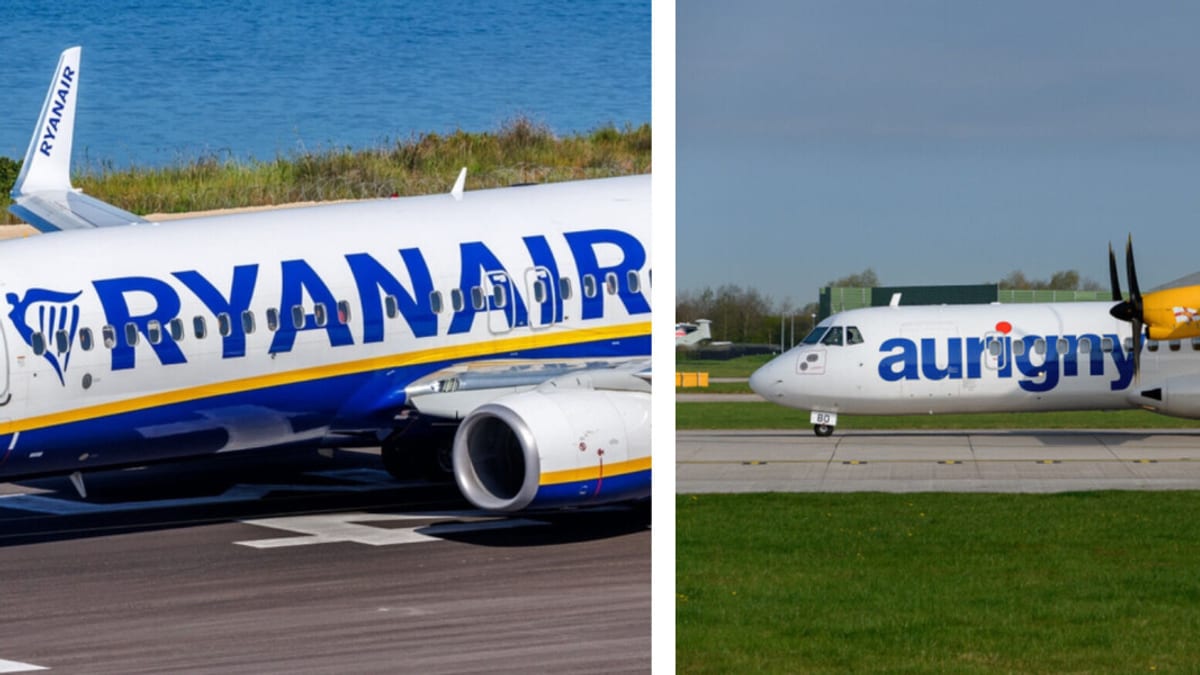
Channel Islands to Paris links already curtailed
Air connectivity between the Channel Islands and the French capital is under renewed pressure, with regional operator Aurigny cutting a significant number of midweek flights on its Guernsey to Paris route until at least June. According to recent regional coverage, the Guernsey based airline has also begun combining some services from Exeter and Bristol and has added a small surcharge on new bookings to offset rising operating costs.
The reduction in flights means travellers from the Channel Islands face fewer options and potentially longer journeys when trying to reach Paris for both business and leisure trips. Observers note that the move highlights how smaller, regional routes can be among the first to feel the strain when airline cost pressures intensify.
While Ryanair does not operate direct services from the Channel Islands, it is a key low cost player for onward travel to and from Paris via nearby regional airports. Any broader network changes at the carrier could therefore indirectly affect how easily Channel Islands residents connect through larger hubs in the UK and Europe to reach the French capital.
The latest schedule adjustments also come after a wider reshaping of air services in the region in recent years, including the collapse of former Channel Islands carrier Blue Islands, which has left fewer operators sharing the burden of connectivity to mainland Europe.
Ryanair flags risk of jet fuel shortages
Ryanair’s latest warnings focus on the possibility of jet fuel supply shortages in Europe from late spring if the conflict in the Middle East continues to disrupt flows through key shipping routes. Publicly available comments from chief executive Michael O’Leary indicate that from May or June, fuel supplies at certain airports could tighten, particularly if access through the Strait of Hormuz remains constrained.
Reports in European and international business media state that Ryanair is currently operating its full schedule and has secured sufficient fuel in the short term. However, the airline is signalling that a prolonged disruption to refinery output or tanker movements could force carriers to make difficult choices later in the summer season.
Analysts note that short haul low cost operators rely on tight aircraft utilisation and high frequencies to keep fares low. Any need to conserve fuel by trimming schedules could see selected routes temporarily suspended or frequencies cut, especially where alternative ground transport exists or where passenger demand is more seasonal.
For now, Ryanair’s network remains intact, but the tone of recent statements is more cautious than earlier in the year, with the carrier acknowledging that the situation amounts to an “unknown scenario” for airlines planning their peak season schedules.
Potential impact on summer fares and capacity
Travel industry commentary suggests that even if large scale cancellations are avoided, passengers are likely to feel the effects of higher fuel costs in their wallets. Recent coverage of Ryanair’s outlook indicates that the airline still expects average fares to rise in the coming months, reflecting both strong demand and higher input costs.
Ongoing reports point to expectations of mid single digit traffic growth at Ryanair year on year through early summer, but with ticket prices also climbing. If fuel supply constraints begin to bite from June, experts say airlines could respond by prioritising high yield routes and trimming marginal services, particularly during midweek periods when leisure demand is weaker.
For travellers in the UK and the Channel Islands looking to fly to Paris and other European cities, that could translate into fewer off peak options and more pressure on remaining departures at nearby airports. Capacity reductions, even on a limited scale, tend to push up prices further as available seats are snapped up earlier in the season.
Some commentators are advising passengers with fixed travel dates to book sooner rather than later for late spring and early summer, as uncertainty around fuel supplies filters into airline pricing strategies.
Passengers urged to monitor bookings closely
Despite the warnings, publicly available operational updates show that Ryanair’s flights are currently running as scheduled, and the airline continues to encourage travellers to check its app or website for the latest information. Under standard practice, customers are typically notified directly if a flight is disrupted, re timed or cancelled.
Consumer advocates recommend that passengers keep a close eye on their bookings in the weeks before departure, especially for trips scheduled from May onward. They also highlight the importance of understanding airline policies, including rebooking options and refund rights in the event of cancellations driven by external factors such as supply shocks or geopolitical tensions.
Travel insurers are likewise monitoring developments. Some policies offer limited cover for disruption linked to fuel shortages or airspace closures, while others exclude such events. Travellers are being encouraged to read policy wording carefully and to keep documentation of any changes or costs incurred if their plans are affected.
In the context of the already reduced Channel Islands to Paris schedule, residents of Guernsey and Jersey may need to build extra flexibility into their itineraries, allowing additional time for connections through UK airports or alternative French gateways.
Outlook for Channel Islands and Paris bound travellers
For now, the most immediate impact is being felt on the Aurigny operated route between the Channel Islands and Paris, where capacity reductions are already in force. Industry observers say the situation serves as an early warning of how quickly small but strategically important links can be reshaped when airline costs rise.
Should Ryanair or other carriers move to trim summer schedules in response to fuel constraints, travellers connecting from the Channel Islands via UK airports to Paris Beauvais or other French destinations may find their options narrowing further. That risk is heightened during peak summer holiday periods, when aircraft are deployed where demand and yields are strongest.
Nonetheless, the overall European aviation market remains resilient, with current traffic indicators pointing to continued growth in passenger numbers. The key question for the coming months is how that demand will intersect with any fuel supply challenges, and whether airlines can maintain their planned capacity without significant disruption.
For passengers planning trips between the Channel Islands and Paris in late spring and summer, the message from recent industry reporting is one of cautious preparation: book early, monitor schedules closely, and build contingency time into any onward connections in case the forecast turbulence for fuel supplies begins to affect flight timetables.