

More news on this day
Sabah is enjoying its strongest international tourism rebound in years as Malaysia Airlines, AirAsia, Singapore Airlines’ low-cost arm Scoot, China Southern and Korean carriers deepen connectivity to the Bornean state, yet industry leaders warn that many luxury resorts are failing to deliver service standards that match rising room rates.
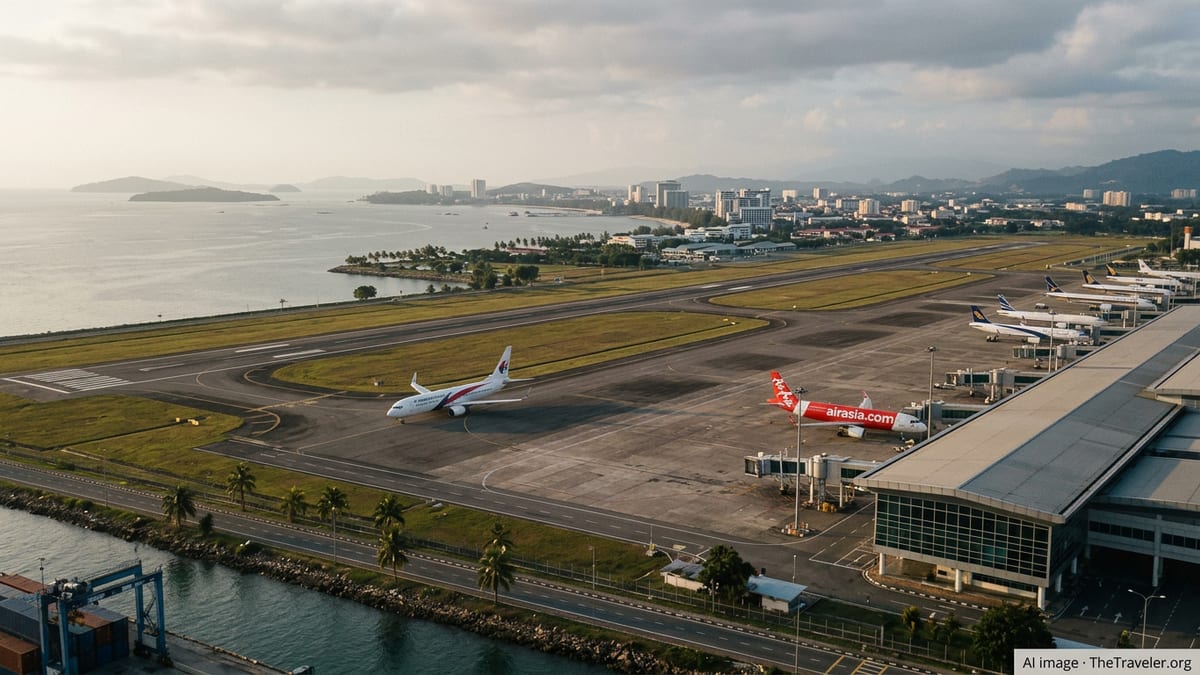
New Air Links Turn Sabah Into a North Asia and ASEAN Magnet
Sabah’s position on the northern tip of Borneo is being rapidly reinforced by a wave of new and expanded air links, led by Malaysian and regional carriers targeting growth from China, North Asia and Southeast Asia. AirAsia, which has made Kota Kinabalu its second-largest hub, is adding capacity and partnerships aimed at flying up to five million passengers to Sabah in 2025 as part of a five-year collaboration with the Sabah Tourism Board and other partners to strengthen connectivity across the Brunei Darussalam–Indonesia–Malaysia–Philippines East ASEAN Growth Area and North Asia.
Malaysia Airlines and its sister brands are also quietly expanding their East Malaysia footprint, adding more frequencies from Kuala Lumpur and Peninsular Malaysia to Kota Kinabalu and other gateways such as Tawau, which AirAsia has begun positioning as a future international hub with potential routes to key Chinese cities. These domestic and regional trunk routes are crucial for connecting long-haul passengers from Europe and the Middle East into Sabah’s leisure destinations, from the islands off Kota Kinabalu to the dive sites around Semporna.
Singapore Airlines’ low-cost subsidiary Scoot is reinforcing Sabah’s access to Singapore, increasing weekly services to Kota Kinabalu from early 2026 while expanding its wider Southeast Asia network. This makes it easier for UK and European passengers to reach Sabah via Singapore, often on a single ticket that combines a long-haul Singapore Airlines flight with a Scoot connection.
China Southern, meanwhile, has agreed to bolster its already popular Guangzhou–Kota Kinabalu services, including extended seasonal capacity during peak Chinese holiday periods. Additional Chinese carriers such as Spring Airlines and West Air have either launched or announced direct links from major cities including Shanghai and Chongqing, feeding a rapidly growing pipeline of Chinese leisure and group traffic into Sabah’s resorts and city hotels.
Chinese, Bruneian and UK Visitors Drive a New Demand Mix
The new and returning air links are reshaping Sabah’s visitor profile. Chinese tourists, who already accounted for a significant share of international arrivals before the pandemic, are once again dominating group tours and short-break leisure traffic, helped by direct flights from tier-one and tier-two Chinese cities and aggressive marketing campaigns centered on island-hopping, marine parks and culinary experiences.
From the south, Bruneian visitors are taking advantage of improved cross-border road and short-haul air connections to Kota Kinabalu and coastal towns. Many arrive as repeat visitors on weekend shopping and dining trips, or to escape into cooler highland retreats such as Kundasang. For resorts and hotels, Bruneian guests tend to be high-spend and familiar with Malaysian service culture, but are increasingly discerning about value for money and room quality.
At the same time, UK and wider European arrivals are climbing off a small base, buoyed by increased long-haul capacity into Kuala Lumpur and Singapore and clearer packaging of Sabah as an add-on to classic Southeast Asian itineraries. British tour operators are now selling Sabah as a softer-adventure alternative to more crowded Thai and Indonesian beach destinations, combining wildlife encounters, diving and cultural tourism with upgraded beach resorts along the West Coast.
This diversified mix brings both opportunity and complexity. Operators report that Chinese and Bruneian guests often book at short notice and travel in larger family groups, placing pressure on front-office operations and food and beverage outlets, while UK and European guests book further in advance and expect consistent four- and five-star standards in rooms, bathrooms, spa facilities and on-site activities.
Service Complaints Mount at High-End Resorts
While occupancy levels at Sabah’s luxury and upper-upscale properties have improved, travel agents, online reviewers and trade partners say service delivery is not keeping up with the price tags. Guests at several island and coastal resorts report long check-in times, slow housekeeping response and inconsistent restaurant quality during peak Chinese and school holiday periods.
Industry analysts point to a familiar post-pandemic problem: staffing shortages and skills gaps. Many experienced hospitality workers left the industry during the pandemic and have been slow to return, leaving resorts reliant on younger, less experienced staff. Training budgets that were cut during the downturn have not always been fully restored, creating noticeable gaps in language skills, problem resolution and proactive guest engagement, especially for Chinese-speaking and European guests.
Travel trade feedback from the UK and Singapore suggests that while room refurbishments and new villa inventory have improved the physical product at some Sabah resorts, service culture has not advanced at the same pace. Agents cite examples of premium packages that promise personalized butler service, curated excursions or gourmet dining that, in practice, fall short because staff are overstretched or lack autonomy to solve issues on the spot.
Price sensitivity is sharpening the criticism. As room rates in Sabah’s popular coastal areas approach those of better-known luxury destinations in Thailand, Bali or the Maldives during peak periods, guests are performing more direct comparisons. When service feels transactional rather than personalized, or when maintenance issues persist in high-end villas, negative reviews quickly spread across booking platforms and social media.
Sabah Authorities Push for Quality to Match Connectivity
Sabah’s tourism and aviation planners are keenly aware that improved air connectivity alone will not secure the state’s long-term position as a premium nature and beach destination. The state government has repeatedly stressed the need for quality tourism growth, encouraging investment not just in new resorts but also in workforce development and community-based tourism that spreads benefits beyond Kota Kinabalu.
Officials are working with Malaysia Airports, airlines and the Sabah Tourism Board to synchronize route development with upgraded airport facilities, guided-tour standards and hospitality training. There is growing recognition that a guest’s impression of service begins at immigration counters and airport arrival halls, and continues through transport, check-in and excursions, not only within the walls of a resort.
Several hotel associations and resort owners have launched joint training initiatives focused on language, guest relations and sustainability practices, aiming to raise standards before the Visit Malaysia 2026 campaign brings an even larger international audience. Some properties are experimenting with higher staff-to-room ratios and clearer career paths to retain talent, particularly in front-of-house and culinary roles where expectations from Chinese and European guests are rising fastest.
However, hoteliers acknowledge that change will take time. The surge in arrivals off the back of new routes has in some cases outpaced the speed at which resorts can recruit, train and invest. Until that gap narrows, Sabah risks a disconnect between its strong air access and the on-the-ground experience, especially at the top end of the market that it is increasingly courting.
Balancing Mass Tourism With Premium Experiences
The challenge for Sabah now is to balance the volume-driven benefits of more flights from China, Brunei and regional hubs with a premium brand promise targeted at higher-spend visitors from the UK and beyond. Large package-tour groups help fill planes and hotel blocks, but they can strain facilities and staff at peak times, sometimes at the expense of independent travelers paying higher rates for privacy and bespoke service.
Destination planners are therefore looking more closely at dispersal strategies, promoting lesser-known islands, inland cultural villages and highland stays to spread visitor flows. By encouraging Chinese and regional guests to explore beyond Kota Kinabalu’s city center and flagship islands, Sabah hopes to reduce pressure on marquee resorts and give service teams breathing space to deliver a more consistent experience.
For now, the state stands at an inflection point. Airlines are clearly betting on Sabah’s future as a regional tourism hub, committing aircraft and marketing budgets to new and expanded routes. If luxury resorts and tourism operators can raise service quality and perceived value to match the ease of getting there, Sabah could convert its current tourism surge into a sustainable, higher-yield future. If not, it risks becoming another example of a destination where connectivity far outstrips the hospitality experience on arrival.