

Ontario rewards curious travellers with wild forests, freshwater coasts and energetic cities, but its size, climate and wildlife mean that a little preparation goes a long way. Whether you are hiking in a provincial park, driving long distances between communities or wandering downtown streets, understanding local risks and how to manage them will help you enjoy the province safely and responsibly.
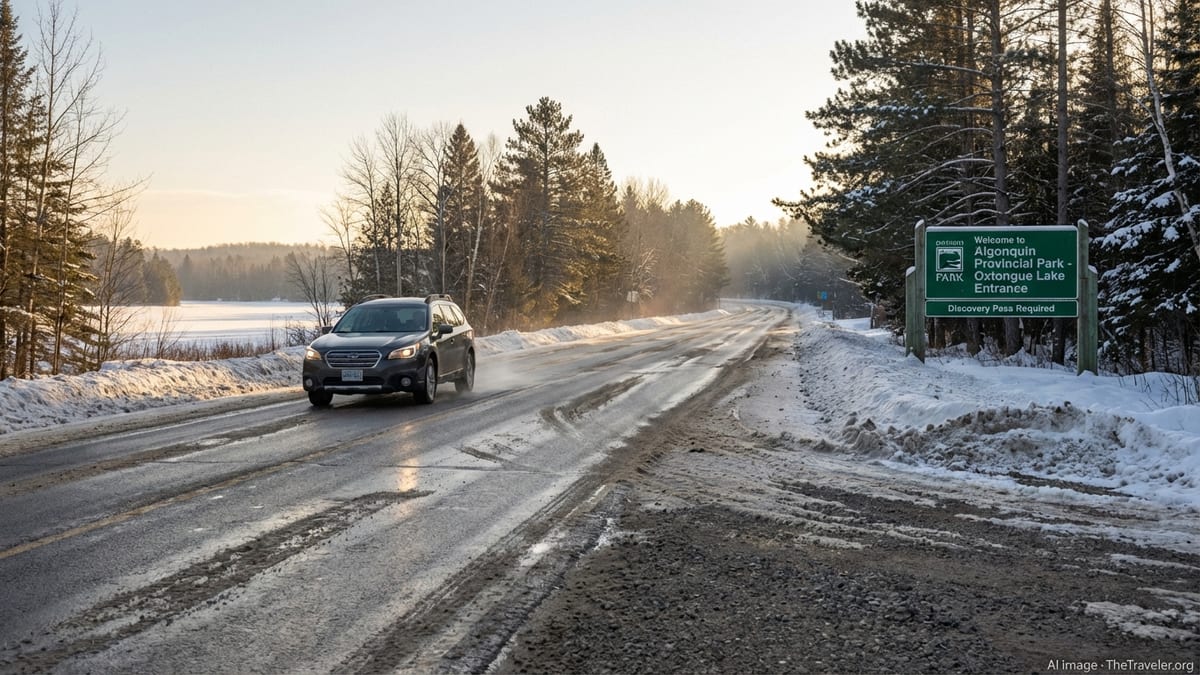
Understanding Ontario’s Landscapes and Seasonal Risks
Ontario stretches from the shores of the Great Lakes to remote northern forests, and safety considerations change as quickly as the scenery. In a single trip, you might move from dense downtown traffic to winding cottage-country roads and then to backcountry trails with limited mobile coverage. Planning with this diversity in mind is the foundation of safe travel, especially for visitors who are used to milder climates or shorter distances.
Seasons shape nearly every safety decision in Ontario. Winters are cold and snowy in much of the province, with icy roads and short daylight hours. Spring brings swollen rivers and unstable ice, while summer can mean intense sun, heat and sudden thunderstorms. Autumn often feels calmer but can bring early frosts and reduced services in some destinations as the tourism season winds down. Before you set out, consider not only where you are going but also what that place is like at that particular time of year.
Local authorities regularly publish advisories for weather, road conditions, forest fire risk and water safety. While you will not always have reception in remote areas, checking conditions before you leave urban centres can help you avoid unnecessary hazards, from icy highways to closed trails. Travellers who build flexibility into their schedule can adjust plans when conditions deteriorate instead of feeling pressured to push on in unsafe situations.
Finally, it is important to understand that personal responsibility is a central theme in Canadian outdoor and road safety guidance. Signs, maps and ranger staff are there to help, but you are expected to know your own limits, carry appropriate equipment and make conservative choices. Adopting that mindset will serve you well across parks, roads and urban environments.
Staying Safe in Ontario’s Provincial and National Parks
Ontario’s parks range from busy day-use beaches to vast wilderness areas accessible only by canoe or long hikes. In all of them, route planning is crucial. Choose trails or paddling routes that match your fitness level and experience, then study official maps rather than relying on generic navigation apps. Distances can feel longer than expected when terrain is rocky, root-filled or muddy, and elevation changes are common even away from mountains.
Weather can change quickly, especially around large lakes and at higher elevations. Dress in moisture-wicking layers and always carry a warm layer and waterproof shell, even on seemingly pleasant days. In shoulder seasons, pack hats and gloves; in summer, prioritize sun protection and hydration. A small first aid kit, high-energy snacks, a whistle, a flashlight and an emergency blanket can make a major difference if you are delayed or injured. In areas with unreliable mobile coverage, a paper map and compass or a downloaded offline map are essential.
Water safety is a priority in a province filled with lakes and rivers. If you plan to paddle, always wear a properly fitted life jacket or personal flotation device, not just keep it in the boat. Sudden wind shifts can create waves on large lakes that challenge even experienced paddlers, and cold-water shock remains a risk in spring and early summer. Around rivers and waterfalls, stay behind barriers and avoid wet rocks, which are often slippery with algae. In winter, treat all ice with caution unless you have local knowledge and clear confirmation that it is safe.
Many parks encourage or require visitors to register backcountry trips or overnight routes. Providing your itinerary and expected return time to staff or a trusted contact is a simple habit that improves your margin of safety. If something goes wrong, rescuers will have a better idea where to search. In remote areas, consider carrying a satellite communicator or personal locator beacon, as emergency services may be far away and response times longer than in urban settings.
Wildlife Encounters: Moose, Bears and Smaller Creatures
Seeing wildlife is often a highlight of visiting Ontario’s parks and rural areas, but it must be managed with respect. Large mammals such as moose and black bears are powerful and unpredictable. Give them a wide berth, use binoculars or a zoom lens to observe them and never attempt to feed or approach them for a closer photograph. Animals that learn to associate people with food can become a danger to visitors and may ultimately need to be relocated or destroyed.
In bear country, which includes many Ontario parks, focus on managing food and scented items. Store food, garbage and toiletries in bear-resistant lockers where provided or in sealed containers inside your vehicle. Keep campsites scrupulously clean, cooking and eating away from sleeping areas. When hiking in areas with limited visibility, talk or sing periodically so that bears and other wildlife are not surprised at close range. If you choose to carry bear spray, learn how to use it properly and keep it accessible.
Moose are often seen near roadsides and wetlands, especially in spring and at dusk and dawn. Despite their calm appearance, they can be aggressive if they feel threatened or if calves are nearby. Maintain a substantial distance, particularly at roadside sightings where traffic may also be a hazard. If a moose moves toward you, retreat slowly and seek cover behind a solid object such as a vehicle or large tree rather than trying to outrun it.
Smaller animals also require caution. Raccoons, foxes and other mammals can carry diseases and should not be touched or fed. Ticks, present in many wooded and grassy areas, can transmit illnesses; wear long sleeves and pants, use insect repellent and conduct regular tick checks after outings. Around wetlands and shorelines, watch where you step to avoid disturbing nesting birds, turtles or other sensitive species. Respecting wildlife not only keeps you safer but also supports conservation efforts across Ontario.
Road Safety on Highways, Rural Routes and Winter Roads
Many of Ontario’s most beautiful destinations are reached by long drives, and most serious accidents occur on roads rather than trails. Before any road trip, ensure your vehicle is in good mechanical condition, with particular attention to brakes, tires, lights and windshield wipers. Keep your fuel tank comfortably above empty, particularly in rural regions where gas stations can be infrequent or close early.
Ontario’s traffic laws require seatbelts for all occupants and prohibit impaired driving. Beyond legal requirements, adjust your driving style to local conditions. On two-lane highways that pass through forest and rock cuts, sightlines can be limited. Maintain ample following distance, avoid aggressive passing and obey posted speed limits, reducing speed further in bad weather or after dark. Wildlife can appear suddenly on the road, especially in forested and wetland areas; be prepared to brake rather than swerve, which can lead to loss of control.
Winter driving is a defining safety concern in much of the province. Snow, freezing rain and blowing snow can quickly degrade traction and visibility. Winter tires, while not mandatory everywhere, are strongly recommended for better grip in low temperatures. Drive smoothly, avoiding sudden acceleration, braking or sharp steering inputs. Increase following distance significantly to account for longer stopping distances on snow or ice, and use low-beam headlights in falling snow or fog to reduce glare.
Carrying a seasonal emergency kit is a practical safeguard. In winter, this might include warm clothing and blankets, non-perishable snacks, water, a shovel, traction aids such as sand or kitty litter, a flashlight with spare batteries and a portable phone charger. In remote areas or during severe weather, it can take time for assistance to arrive. If you become stranded, staying with your vehicle is usually safer than walking for help, as the vehicle offers shelter and is easier for rescuers to locate.
Water, Ice and Winter Recreation Safety
Ontario’s lakes and rivers provide year-round recreation, from swimming and paddling in summer to ice skating and snowmobiling in winter. Each activity has specific risks. In warmer months, always swim in designated areas where possible, and pay attention to posted flags or notices about currents, bacteria levels or other hazards. Even on calm days, Great Lakes beaches can experience strong currents and waves powerful enough to overwhelm inexperienced swimmers.
In winter, frozen lakes and rivers attract skaters, anglers and snowmobilers, but ice conditions are highly variable. Thickness can be affected by currents, springs, snow cover and temperature swings. Unless you have local knowledge and training, treat unfamiliar ice with extreme caution. Avoid going out alone, inform someone on shore of your plans and expected return time and carry ice picks or other self-rescue tools in case you fall through. If you witness someone else go through the ice, contact emergency services rather than attempting a risky rescue without proper equipment.
Snowmobile and off-road vehicle users should stick to maintained, authorized trails and respect speed limits and signage. Night riding on unfamiliar routes can be particularly hazardous due to hidden obstacles, changing terrain and unmarked water crossings. Appropriate helmets and protective clothing are essential, both for impact protection and insulation against wind and cold. Alcohol or drug use is illegal and greatly increases the risk of hypothermia and crashes.
Regardless of the season, cold-related illnesses are a concern near water and in open areas exposed to wind. Dress in layers that wick moisture away from the skin and trap warm air. Avoid cotton, which holds moisture, and change out of wet clothing promptly. Recognize early signs of hypothermia, such as uncontrollable shivering, slurred speech and confusion, and seek shelter and warmth before symptoms worsen.
Urban Safety in Ontario’s Cities and Towns
Ontario’s cities, from Toronto and Ottawa to smaller centres, are generally safe, but urban awareness remains important. As in any large city, petty theft and opportunistic crime are more common in busy tourist zones and on crowded public transport. Keep valuables such as passports, extra cash and electronics secured in interior pockets or money belts, and avoid displaying large amounts of cash in public.
Plan your routes in unfamiliar neighbourhoods in advance, particularly at night, and favour well-lit streets with steady foot traffic. Major transit systems publish maps and real-time information that can help you avoid long waits at isolated stops. If you feel uncomfortable in a particular location, trust your instincts and move to a busier area, a shop or a public facility where staff are present.
When using rideshare services or taxis, confirm the vehicle and driver details before getting in and share your trip information with a trusted contact when possible. If you are walking back to accommodation late at night, consider travelling in a group or using licensed transportation rather than walking through parks or quiet side streets. In entertainment districts, be cautious with alcohol consumption and keep beverages within sight.
Urban weather hazards should not be underestimated. In winter, sidewalks and stairs can be icy, and tall buildings create wind tunnels that amplify cold. Wear appropriate footwear with good traction, and allow extra time to move cautiously. In summer, heat and humidity can be intense, especially on paved surfaces; carry water, seek shade periodically and watch for signs of heat exhaustion such as dizziness or nausea. Many public buildings, including libraries and community centres, offer cool or warm spaces if you need a break from extreme temperatures.
Planning, Communication and Emergency Preparedness
Thorough planning helps tie together safety across parks, roads and urban areas. Start by mapping out key information for each destination: nearest towns or hospitals, park offices, fuel stations and grocery stores. Note any seasonal closures or reduced services, particularly in northern or rural regions where businesses may operate on limited schedules outside peak summer months.
Communication plans are critical, especially when travelling in small groups or alone. Share your itinerary, including approximate departure and arrival times, with someone who is not travelling with you. Agree on check-in times by text or call, and clarify what that person should do if they do not hear from you, such as contacting park staff or local authorities. While mobile coverage is widespread along major corridors and in cities, it can be patchy or absent in remote parks and along some secondary roads, so do not rely solely on your phone.
Understand how to contact emergency services in Ontario. Dial 911 for urgent police, fire or medical assistance. In large parks, staff at visitor centres or gatehouses can help coordinate non-life-threatening situations, from minor injuries to lost hikers. Carry identification and key medical information such as allergies or chronic conditions, especially if you participate in higher-risk activities like backcountry hiking, paddling or climbing.
Finally, remember that a conservative approach to risk often leads to richer experiences. Turning back when a trail becomes too icy, delaying a drive during a storm or taking a taxi instead of walking through an unfamiliar area at night are not failures but smart decisions. Ontario offers ample opportunities for adventure; with thoughtful preparation and respect for local conditions, you can enjoy them while keeping yourself and others safe.
The Takeaway
Ontario’s mix of deep wilderness, long-distance highways and lively cities makes it a rewarding yet complex place to explore. Safety here is less about rigid rules and more about understanding context: the season, the specific landscape and your own experience level. When you pay attention to changing weather, respect wildlife, drive cautiously and stay alert in urban environments, you greatly reduce the likelihood of serious problems.
Approach each part of your trip with realistic expectations. A trail that feels easy in dry summer conditions can become treacherous in early spring, and a smooth highway drive on a clear afternoon can turn stressful after dark in a snowstorm. Having backup plans, extra time and essential gear gives you flexibility to adapt. If you are unsure about a particular route or activity, seek advice from local staff, guides or residents who understand current conditions.
Above all, remember that safety and enjoyment go hand in hand. Taking the time to plan, pack carefully and make conservative choices allows you to focus on what drew you to Ontario in the first place: the crash of waves on a rocky shoreline, the quiet of a forest trail, the buzz of a downtown street festival. With a thoughtful approach, you can explore parks, roads and cities across the province with confidence and peace of mind.
FAQ
Q1. Do I really need winter tires to drive safely in Ontario?
While winter tires are not legally required everywhere, they are strongly recommended because they offer better traction and control in cold, snowy and icy conditions common across much of Ontario.
Q2. Is it safe to hike alone in Ontario’s provincial parks?
Solo hiking can be safe on well-marked, popular trails if you choose routes that match your ability, check conditions, carry basic safety gear and inform someone of your plans and expected return time.
Q3. How worried should I be about bears and moose when visiting parks?
Encounters are usually peaceful if you give wildlife space, store food properly and follow park guidelines. Problems tend to arise when animals are fed or approached too closely for photos.
Q4. What is the best way to avoid getting lost on Ontario trails?
Use official maps, stay on marked routes, pay attention at junctions and carry a backup such as a paper map or offline map, especially in areas with limited mobile coverage.
Q5. How can I prepare for long winter drives between Ontario towns?
Check weather and road reports before departure, equip your vehicle with winter tires and an emergency kit, keep your fuel tank topped up and allow extra time for slower, more cautious driving.
Q6. Are Ontario’s cities safe to walk around at night?
Most areas are safe with normal urban precautions. Stick to well-lit streets, stay aware of your surroundings, avoid isolated shortcuts and consider using licensed transport late at night.
Q7. What should I do if I encounter thin ice or open water in winter?
Avoid crossing uncertain ice, warn others nearby and choose an alternate route. If someone falls through, call emergency services and avoid attempting a rescue without proper equipment.
Q8. How can I reduce the risk of wildlife collisions while driving?
Slow down in forested and wetland areas, especially at dawn and dusk, scan roadsides continuously and be prepared to brake firmly rather than swerving if an animal appears suddenly.
Q9. Is tap water safe to drink in Ontario’s cities and towns?
Municipal tap water in Ontario is generally safe to drink. If you are visiting a remote area with private wells or untreated sources, follow local advice or use appropriate filtration or treatment.
Q10. What emergency number should I call anywhere in Ontario?
Dial 911 for police, fire or medical emergencies throughout Ontario. In non-urgent situations in parks, you can also contact park offices or visitor centres during operating hours for assistance.