

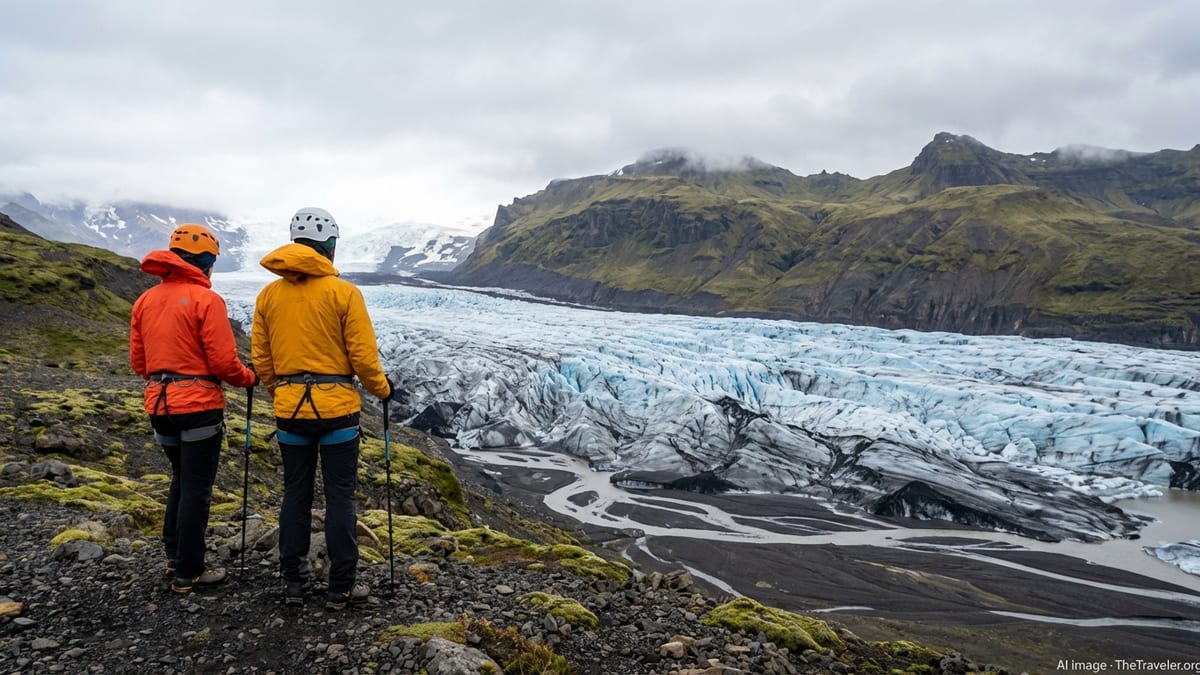
Vatnajökull, Europe’s largest ice cap and the heart of one of Iceland’s most dramatic national parks, is a magnet for hikers, glacier walkers and photographers. Its crevassed ice tongues, black sand plains and steep volcanic ridges are as hazardous as they are beautiful, shaped by active volcanism, sudden weather shifts and powerful glacial rivers. Staying safe here means understanding the environment, preparing carefully and respecting both local regulations and your own limits.
Understanding Vatnajökull’s Unique Hazards
Vatnajökull is not a single glacier but a vast ice cap feeding dozens of outlet glaciers, bordered by steep mountains, glacial lagoons and wide sandur plains. Beneath the ice lie active volcanoes such as Grímsvötn and Bárðarbunga. Their geothermal heat and periodic unrest can trigger glacial outburst floods, known as jökulhlaup, that rapidly swell rivers and reshape channels. While most visitors will never see these events up close, they illustrate how dynamic and unpredictable this landscape can be.
Conditions on and around the ice change quickly, often several times in a single day. Snow can conceal deep crevasses, meltwater can undermine ice bridges and rockfall can increase after periods of freezing and thawing. Research around outlet glaciers such as Fjallsjökull shows that proglacial lakes are deepening and expanding over time as ice retreats, which can influence both shore stability and flood behavior. For hikers, this means that trails, viewpoints and informal paths that felt secure a few seasons ago may now be closer to unstable slopes or undercut ice.
The wider park is largely highland terrain, with short summers and frequent storms, even in July and August. The Vatnajökull National Park authority emphasizes that road conditions can deteriorate quickly due to flooding, sandstorms or fresh snow, and that many interior tracks are suitable only for experienced drivers in specially equipped vehicles. The same principle applies to trails: what looks like a simple walk from the parking area can become difficult in poor visibility or high winds. Treat every outing as a mountain trip, not a casual stroll from the Ring Road.
Because risks are strongly linked to weather and glacial dynamics, official guidance and local knowledge are essential. The national park, the Icelandic Met Office and Icelandic search and rescue volunteers continuously monitor weather, river levels, volcanic activity and specific hazards like unstable ice caves. Checking their latest information before you set out is one of the most effective safety measures you can take.
Planning Your Trip and Checking Conditions
Thorough planning is the foundation of safe hiking around Vatnajökull. Before choosing routes, familiarize yourself with the official Vatnajökull National Park advice on travel and safety. Park authorities highlight several core checks for all visitors: current and forecast weather, road conditions, local cautions and having a documented travel plan. These are not box-ticking exercises but practical tools that search and rescue teams depend on if something goes wrong.
The Icelandic Met Office publishes detailed forecasts and warnings for the Vatnajökull region, including wind speed, precipitation, temperature and any alerts related to volcanic or glacial flood activity. Strong winds are particularly important: gusts that seem manageable in town can be dangerous on exposed ridges, glacier viewpoints or narrow paths above steep slopes. Road conditions are updated by the national road administration, which notes closures, ice, flooding and wind warnings on bridges and open plains. If authorities advise against travel in a given area, you should adjust your plans rather than trying to push through.
For hikers, submitting a travel plan through Iceland’s SafeTravel system is strongly recommended, especially if you are walking independently or visiting more remote parts of the park. The SafeTravel app and website allow you to register your intended route, dates and group details. This information is stored for emergency use, helping rescuers narrow down their search area if you fail to check in or call for help. The app also offers quick access to emergency services and up-to-date alerts on conditions relevant to trekkers and glacier visitors.
Once in the park, keep refining your plan with local input. Visitor centers in Skaftafell and other sectors, as well as hut wardens and licensed guides, often have the most current insight into river levels, snow cover on trails, recent rockfall and ice cave status. Ask about your specific route rather than general conditions. If hikers or guides on site report deteriorating weather, hidden ice on slopes or problematic river crossings, do not hesitate to turn back or choose a shorter, safer hike.
Essential Gear and Clothing for Glacier Country
Even a short walk to a glacier viewpoint at Vatnajökull demands better preparation than many visitors expect. The ice cap creates its own weather, and cold air draining from the glacier can make temperatures feel much lower than forecasts for nearby towns. A local operator’s packing guidance for glacier trips is a useful benchmark: think in layers, avoid cotton and be ready for winter conditions at almost any time of year.
Start with a moisture-wicking base layer instead of cotton t-shirts or jeans, which lose insulating power when wet. Add a warm mid-layer such as fleece or wool, topped with an insulating jacket and a windproof, waterproof shell. For your legs, use hiking trousers or thermal leggings paired with a waterproof outer layer. Warm, water-resistant gloves or mittens, a wool or fleece hat and a neck gaiter or scarf help protect against windchill. On or near the glacier, sunglasses with UV protection are essential to reduce the risk of snow blindness, and high-factor sunscreen is important even under cloudy skies because of reflection from ice and snow.
Footwear is critical on steep, rocky and often wet ground. Sturdy hiking boots with good ankle support and a grippy sole are recommended for all but the easiest, well-maintained paths. Trainers and fashion shoes perform poorly on gravel, loose moraine and muddy sections, and they offer little protection against cold, standing water or unexpected patches of ice. Ideally, bring gaiters to keep debris and meltwater out of your boots. For glacier walks or ice climbing, specialized equipment such as crampons, ice axes, harnesses and helmets should only be used under the supervision of qualified guides who can select and fit the correct gear.
Carry a properly sized rucksack that can hold spare clothing layers, food, water and any technical equipment you may need. Local glacier guides recommend at least two liters of water per person, plus high-energy snacks like nuts, chocolate and dried fruit that you can eat on the move. Pack critical items in waterproof bags or dry sacks inside your pack to protect them from rain, spray and accidental immersion if you slip near streams or lagoons. A lightweight first aid kit, headlamp, fully charged phone and backup power bank are sensible additions, even for day hikes in summer.
Staying Safe on Trails, Ridges and River Crossings
Most visitors experience Vatnajökull from marked trails near Skaftafell and other easily reached areas. While these are some of Iceland’s better maintained paths, they still cross steep slopes, loose scree and sections exposed to sudden gusts. The park advises staying on marked routes wherever they exist, both for safety and to protect fragile vegetation such as moss, which can take decades to recover if trampled. Building or disturbing cairns is discouraged, as is creating “social trails” that tempt others into unstable terrain.
On ascents and ridgelines, pay attention to your footing and center of gravity. Even in good weather, a thin layer of loose gravel on hard ground can make surfaces surprisingly slippery. In winter and spring, packed snow or ice may conceal this loose material, increasing the risk of a fall if you move too quickly or rely solely on trekking poles instead of careful foot placement. If wind strengthens as you climb, consider whether continuing will expose you to stronger gusts on more exposed ground above. A safe decision on Vatnajökull’s lower slopes is often to turn around before conditions become critical.
Rivers and streams present another key hazard, particularly on longer routes and in areas affected by glacial melt or recent rain. Icelandic trekking experts emphasize that river conditions can change dramatically in a matter of hours, with levels rising in warm weather or during and after heavy rain. If your planned hike involves a known crossing, seek current advice from hut wardens or rangers about depth, flow and the safest place to ford. As a general rule, do not attempt to cross glacial rivers alone, avoid crossing late in the day when meltwater peaks and never drive or walk across closed fords or bridges.
In poor visibility, navigation becomes challenging even on well-trodden routes, as landmarks such as peaks and ridges disappear behind mist or cloud. Carry a physical map and compass and know how to use them, rather than relying solely on phone apps that can lose signal or battery power. In early or late season, be conservative about distance and elevation gain to allow for slower progress on muddy or snowy paths. Remember that a pleasant out-and-back walk can become serious if sunset, fog or wind arrives sooner than expected.
Glacier Walks, Ice Caves and Guided Activities
For many travelers, standing on Vatnajökull’s blue ice or entering a glittering ice cave is a bucket-list experience. It is also one of the riskiest activities in the park if attempted without proper expertise. Crevasses, moulins and unstable ice roofs are not always visible from the surface, and glacier dynamics can change conditions overnight. Local mountain guides and safety experts underline that glacier travel, including ice cave visits, should always be undertaken with a certified guide who knows the current state of the ice.
Within Vatnajökull National Park, commercial operators offering glacier and ice cave tours require permits and must comply with safety standards defined by Icelandic authorities and professional guide associations. Following a fatal accident on Breiðamerkurjökull in 2024, the park tightened its conditions for ice cave operators, requiring daily risk assessments by experienced lead guides and establishing a professional council to oversee implementation. In some seasons, the park has suspended or sharply limited ice cave tours in certain sectors to reduce exposure to warm-weather instability. Travelers should be prepared for itineraries to change or ice cave visits to be cancelled on short notice if conditions deteriorate.
Outside the national park boundaries, regulations for ice cave tours have historically been looser or under review, and authorities have been working on new frameworks to improve consistency and safety across glaciers. This means choosing a reputable operator matters even more. Look for companies that employ qualified glacier guides, provide proper safety equipment, limit group sizes and clearly explain their contingency plans if they deem a cave unsafe on the day. Be wary of any offer that downplays risk, ignores official warnings or guarantees access to specific caves regardless of recent conditions.
As a participant, you play a role in safety too. Listen carefully to briefings about harnesses, roped travel, crampon use and behavior near crevasse fields and cave entrances. Wear the clothing your guide recommends, including helmets where provided, and speak up if gear does not fit correctly. Respect guide decisions to alter routes, shorten excursions or skip popular photo spots when they judge the risk too high. In a fast-changing ice environment like Vatnajökull, flexibility is a key part of staying safe.
Weather, Seasons and Volcanic Activity
Vatnajökull’s weather is famously volatile. Strong Atlantic systems can sweep in quickly, bringing rain, snow or gale-force winds even in what forecasts describe as settled periods. Around glaciers, temperature inversions and cold-air drainage add further complexity, while snow cover and daylight hours change drastically between seasons. Local operators around Fjallsárlón and other glacier lagoons highlight that winter storms can severely limit visibility and daylight, making remote upland hikes inadvisable for most visitors.
Spring and autumn in particular can produce mixed conditions, with thawing and refreezing cycles that increase rockfall in adjacent mountains and leave icy patches on trails. Recent experience from guides and researchers notes that swings between freezing and mild temperatures can trigger more frequent small rockfalls, especially above ice cave entrances and along steep valley walls. Even if ice caves themselves appear relatively stable, access routes may be threatened by loose rock or collapsing overhangs. Guided groups often adapt by avoiding certain entrances until debris has been cleared or conditions improve.
Glacial outburst floods from beneath Vatnajökull, often linked to activity at Grímsvötn and other subglacial volcanoes, are monitored carefully by the Icelandic Met Office. These jökulhlaup events, which have occurred repeatedly in recent years, can dramatically raise water levels in rivers such as Gígjukvísl and may temporarily threaten infrastructure like roads and bridges. While most tourists will encounter them only as news reports or road closures, they are a reminder of the park’s active volcanic nature. Pay close attention to any official alerts and respect closures around rivers and low-lying plains when outburst floods are underway or anticipated.
It is important to distinguish between background volcanic activity and acute hazards to hikers. Much of the time, increased geothermal activity beneath the ice has little direct effect on day hikes or guided trips, but it may lead authorities to adjust access to particular outlets or issue gas warnings in certain conditions. Before heading into more remote sectors of Vatnajökull, check whether any special notices relate to volcanic unrest, glacial flooding or gas accumulation in depressions. If there is any doubt, seek guidance from park rangers or experienced guides rather than relying on your own interpretation of technical bulletins.
Respecting Regulations, Nature and Local Communities
Safety at Vatnajökull is closely tied to how visitors treat the environment and follow local regulations. The national park’s travel advice emphasizes that nature here is both precious and fragile. Walking off marked trails in vegetated lowland areas can damage moss and plant communities that recover extremely slowly in Iceland’s harsh climate. Litter, campfire scars and unauthorized drone use not only spoil the experience for others but can disturb wildlife and increase the workload of rangers and rescue volunteers.
Camping rules within and around the park are strict in certain zones. Overnight stays are prohibited outside designated camping areas in places such as Jökulsárgljúfur, parts of Askja, Kreppulindir and specified lowland sectors including Hoffell and Heinaberg. In Skaftafell, wild camping is restricted to protect both natural values and visitor safety, with tents generally confined to official campgrounds or clearly defined zones at higher altitudes. Before planning a multi-day hike or bivouac, consult park regulations for each specific area, as rules may differ between valleys and over time.
Motorized access is also tightly controlled. It is only permitted to drive on roads shown on official park maps, and some routes require high-clearance four-wheel-drive vehicles and driver experience on rough, unbridged tracks. GPS devices and third-party digital maps may show enticing “roads” that are in fact closed, degraded or off-limits. Attempting to follow them can lead to vehicle damage, becoming stranded in remote areas and causing erosion or disturbance on fragile ground. When in doubt, err on the side of parking at established lots and exploring on foot with proper equipment.
Finally, recognize the human effort that underpins your ability to explore Vatnajökull. Park staff, local guides and search and rescue volunteers invest significant time in monitoring hazards, rescuing those in trouble and restoring damaged areas. Following their advice, registering your plans and making conservative choices about weather and terrain is a way of respecting that commitment and helping to keep this extraordinary landscape accessible to future visitors.
The Takeaway
Hiking and exploring around Vatnajökull offers some of the most powerful glacier and volcano scenery in the world, but it comes with real and sometimes underestimated risks. The combination of dense ice, active volcanoes, steep mountains and fast-moving weather means that conditions can shift quickly and unpredictably, even over the course of a short outing. The safest trips are those planned with up-to-date information, the right equipment and a willingness to change course when reality does not match expectations.
Key habits make a major difference. Check official weather and road updates, and pay attention to park-specific cautions about glacial floods, ice caves and seasonal hazards. Choose certified guides for any glacier or ice cave activity, and listen carefully to their assessments, remembering that cancellations and rerouted tours are signs of good safety culture, not poor service. Equip yourself as if you were heading into a winter mountain environment, regardless of what the calendar says.
By respecting regulations, staying on marked trails, treating rivers and ridges with caution and using tools like the SafeTravel system, you can dramatically reduce your exposure to danger. The reward is the chance to experience Vatnajökull’s shifting ice, deep valleys and stark volcanic plateaus with the confidence that you are doing so as safely and responsibly as possible. In a landscape shaped by ice and fire, humility, preparation and flexibility are your most important companions.
FAQ
Q1. Do I need a guide to hike in Vatnajökull National Park?
For valley and low-level marked trails near areas like Skaftafell, confident hikers can often go independently if they are well equipped and follow current advice. However, any activity on the glacier itself, including glacier walks and ice cave visits, should always be done with a certified guide who understands local hazards and current conditions.
Q2. What is the safest time of year to visit Vatnajökull for hiking?
Generally, late June to early September offers the most stable conditions, with longer daylight and reduced snow on popular trails. Even then, storms and rapid weather changes are possible, so you should still check forecasts, carry proper gear and be prepared to alter your plans.
Q3. Are ice cave tours around Vatnajökull safe?
When operated by licensed, reputable companies that follow national park rules and daily safety assessments, ice cave tours can be conducted with controlled risk. Conditions change quickly, and tours may be cancelled or rerouted at short notice for safety reasons. You should never attempt to enter an ice cave without an experienced guide.
Q4. How cold does it get on the glacier even in summer?
Temperatures on the glacier are often several degrees lower than at sea level, and windchill can make it feel much colder, especially in exposed areas. Even on sunny summer days, you should dress in multiple layers, including a warm mid-layer and windproof, waterproof shell, and bring gloves and a hat.
Q5. What should I do if the weather suddenly worsens during a hike?
If wind, rain or visibility deteriorate, turn back towards the trailhead or the last known safe point rather than pressing on. Add layers, put on your waterproofs and stay together as a group. If you feel genuinely unsafe, seek shelter, conserve battery life and contact emergency services if necessary.
Q6. Is it safe to drink water from streams near Vatnajökull?
Some clear-running streams in Iceland are drinkable, but quality can vary, and glacial rivers often carry fine sediment. To be cautious, many visitors choose to treat water with a filter or purification tablets, or rely on bottled or tap water filled in towns or at accommodations.
Q7. How can I minimize my impact on the environment while hiking there?
Stay on marked trails, avoid walking on moss and fragile vegetation, pack out all waste and follow park rules on camping, fires and drone use. Respect wildlife by observing from a distance and keeping noise to a reasonable level, and follow any seasonal restrictions designed to protect sensitive areas.
Q8. What emergency services are available if something goes wrong?
Iceland’s emergency number is 112, which connects you to police, fire and search and rescue services. The SafeTravel app allows you to send your location and contact 112 directly. Registering a travel plan before departure helps rescuers locate you more quickly if you are overdue or unable to communicate.
Q9. Are road conditions around Vatnajökull difficult in winter?
They can be. Winter brings ice, snow, strong winds and reduced visibility, and some roads, especially interior tracks, may close for long periods. Even the Ring Road can be affected by storms or glacial river flooding. Always check official road condition updates and be prepared to delay or reroute your journey.
Q10. Can children safely visit Vatnajökull and its viewpoints?
Yes, families regularly visit accessible viewpoints and short trails near visitor centers, provided children are closely supervised. Keep them away from cliff edges, fast-flowing streams, unstable glacial lagoon shores and any unprotected drop-offs, and dress them in the same quality of warm, waterproof clothing that adults use.