

More news on this day
Saint Lucia’s mid-July carnival season is rapidly becoming one of the Caribbean’s strongest tourism draws, with new data and recent coverage pointing to record visitor arrivals and brisk demand for hotels in Castries and Gros Islet.
Get the latest news straight to your inbox!
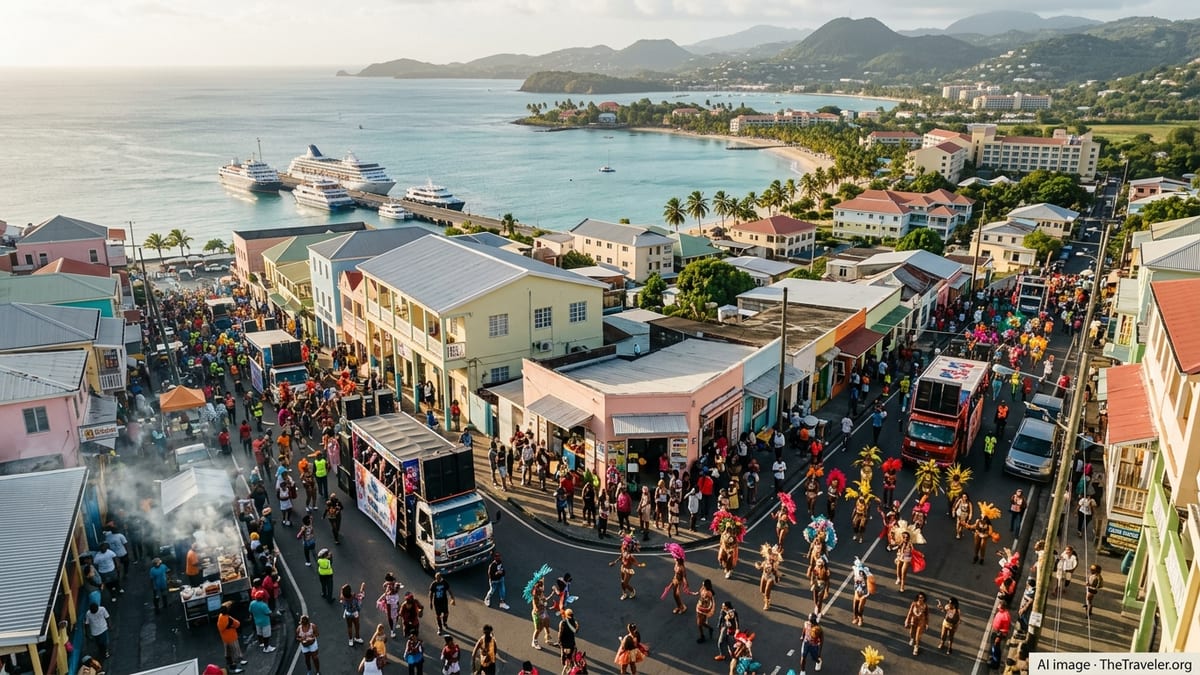
Carnival Season Fuels Visitor Growth
Recent tourism coverage indicates that Saint Lucia’s carnival, branded locally as Lucian Carnival, is now a headline driver of the island’s visitor economy, building on a record tourism year in 2024 and strong performance through 2025. Reports from local media and travel publications highlight that the 2025 carnival period welcomed around 24,500 visitors, a sharp rise on previous seasons and a sign that the July festivities are no longer a niche event but a major regional draw.
Publicly available figures referenced in Caribbean business and tourism reports show that overall visitor arrivals to Saint Lucia increased by double digits in 2024, creating momentum that has carried into 2025. Tourism analysts note that carnival sits at the centre of this growth, encouraging longer stays, repeat visits and a shift from purely resort-based holidays to culture-focused itineraries anchored in Castries and the island’s northern corridor.
Travel features in international outlets describe crowds of more than 10,000 people following the parade route through Castries during the 2025 carnival, including thousands of costumed masqueraders. These accounts frame the festival as one of the region’s most energetic street experiences, with soca sound systems, steel bands and Dennery Segment artists drawing both dedicated carnival followers and first-time Caribbean visitors.
Economic commentary from regional banks and tourism bodies also places Saint Lucia among the Caribbean destinations where tourism contributes a particularly high share of GDP, with carnival identified as one of the key events that spreads spending through small businesses, transport, food vendors and guesthouses beyond the traditional high winter season.
When and Where the Celebrations Happen
Current event calendars compiled by regional guides list the core 2025 Lucian Carnival dates as running in the week of 17 to 23 July, with activity concentrated in the capital, Castries, and in the northern resort and nightlife belt around Gros Islet and Rodney Bay. While community events and fetes begin weeks earlier, those July dates usually capture the biggest influx of international visitors and the marquee national events.
According to festival programs published by the official carnival website and local media, the flagship Parade of the Bands and major street processions traditionally weave through Castries, turning the city streets into an all-day moving party. In the evenings, attention often shifts north to Gros Islet’s waterfront and Rodney Bay Village, where ticketed concerts, boat parties and club nights extend the action late into the night.
National events such as the Carnival Queen Pageant and soca and calypso finals are frequently staged in venues across Gros Islet, including around Rodney Bay, reflecting the district’s role as the island’s main tourism hub. Schedules released for the 2025 season show these shows clustered in early to mid-July, meaning visitors who plan a week-long stay can often combine pageants, competitions and the final street parades within a single trip.
Travel reporting also points out that precise event times and venues are typically confirmed closer to the date, so visitors are advised to use the broad July window as a planning anchor and then refine their schedules once detailed programs are released by the carnival organizers and entertainment promoters.
Top Stays in Castries: Culture at Your Doorstep
Castries, set on a natural harbour and framed by hills, gives visitors front-row access to the main parade routes and many official daytime events. Accommodation here ranges from business-style city hotels around the waterfront to small guesthouses tucked into residential streets, appealing to travellers who prioritise proximity to the action over resort-style seclusion.
Travel guides and booking platforms list a mix of mid-range hotels near the cruise port and Derek Walcott Square, offering air-conditioned rooms, rooftop or courtyard bars and easy access to the city’s markets and food stalls. These properties often become informal hubs for carnival bands and visiting DJs, with lobbies and terraces buzzing in the early mornings and after the last trucks roll through the streets.
Smaller inns and family-run lodgings in Castries are highlighted in visitor reviews for their local character and walkable locations. Many guests note that staying in the capital makes it easier to catch early call times for joining bands, attend cultural exhibitions and experience the quieter side of city life on non-parade days, from church services to neighbourhood food spots.
While Castries does not offer the broad beachfront inventory found further north, travel coverage emphasises that city-based visitors can still reach popular beaches such as Vigie within a short taxi ride. During carnival week, some hotels partner informally with transport providers to help guests move between downtown events, quieter bays and late-night fetes in the north.
Gros Islet and Rodney Bay: Beach, Nightlife and Bands
North of Castries, Gros Islet district and the Rodney Bay area function as the island’s main resort and nightlife zone, and recent articles describe them as the preferred base for many carnival visitors. The area combines long, sheltered beaches, a modern marina, dining strips and quick access to headline events, making it attractive to groups who want both festival energy and downtime by the water.
International travel pieces highlight a concentration of large all-inclusive resorts, branded hotels and condominium-style properties along Reduit Beach and the Rodney Bay waterfront. These resorts typically feature multiple pools, on-site entertainment, spa facilities and organised excursions, and some are reported to align special packages or hosted parties with the carnival calendar.
At the same time, Gros Islet is known for its lively Friday night street party, which travel writers frequently describe as a year-round taste of carnival with music, grilled seafood stalls and dancing in the streets. During July, this weekly event blends into the broader festival mood, and nearby guesthouses, boutique hotels and marina-front apartments often fill with visitors who prefer walkable access to both the party and the beach.
Published coverage also notes that accommodation across Gros Islet can book out quickly once carnival dates are confirmed, particularly properties within easy reach of Rodney Bay Village and Pigeon Island Causeway. Travellers looking for more space or quieter surroundings increasingly turn to villa rentals in the surrounding hills, trading short taxi rides for panoramic views and private plunge pools.
Planning a Carnival Stay: Practical Considerations
Current travel reporting recommends booking flights and accommodation several months ahead of the July peak, particularly for travellers targeting specific bands, fetes or premium beachfront hotels. With visitor numbers during carnival already setting new records and tourism authorities signalling continued marketing pushes, demand for both Castries city rooms and Gros Islet resorts is expected to remain strong.
Analysts and commentators point out that wider Caribbean trends, including rising visitor taxes in some territories and a shift toward more sustainable tourism models, are encouraging destinations like Saint Lucia to refine crowd management, transport and public services around major events. Discussions reported in local media about extending carnival hours and adjusting parade routes reflect a broader effort to balance visitor experience, community needs and safety.
For travellers, this evolving framework means paying close attention to official announcements closer to departure, especially regarding parade start times, traffic diversions and any changes to event logistics. Many recent visitor accounts suggest allowing extra time between events, building in rest days and considering travel insurance that covers schedule changes or weather-related disruptions in the Atlantic hurricane season.
Despite these practicalities, the consensus across recent articles and tourism updates is that Saint Lucia’s carnival is entering a new phase as a marquee cultural event. With Castries offering an immersive urban backdrop and Gros Islet delivering beaches and nightlife, the island now presents a twin-centre carnival experience that is reshaping how visitors explore one of the Caribbean’s most photogenic destinations.