

More news on this day
As Europe fine-tunes its tourism playbook for 2026, Saint-Tropez is emerging from summer-only favorite to year-round nightlife heavyweight, increasingly mentioned alongside Paris, London and Copenhagen in rankings and traveler reports.
Get the latest news straight to your inbox!
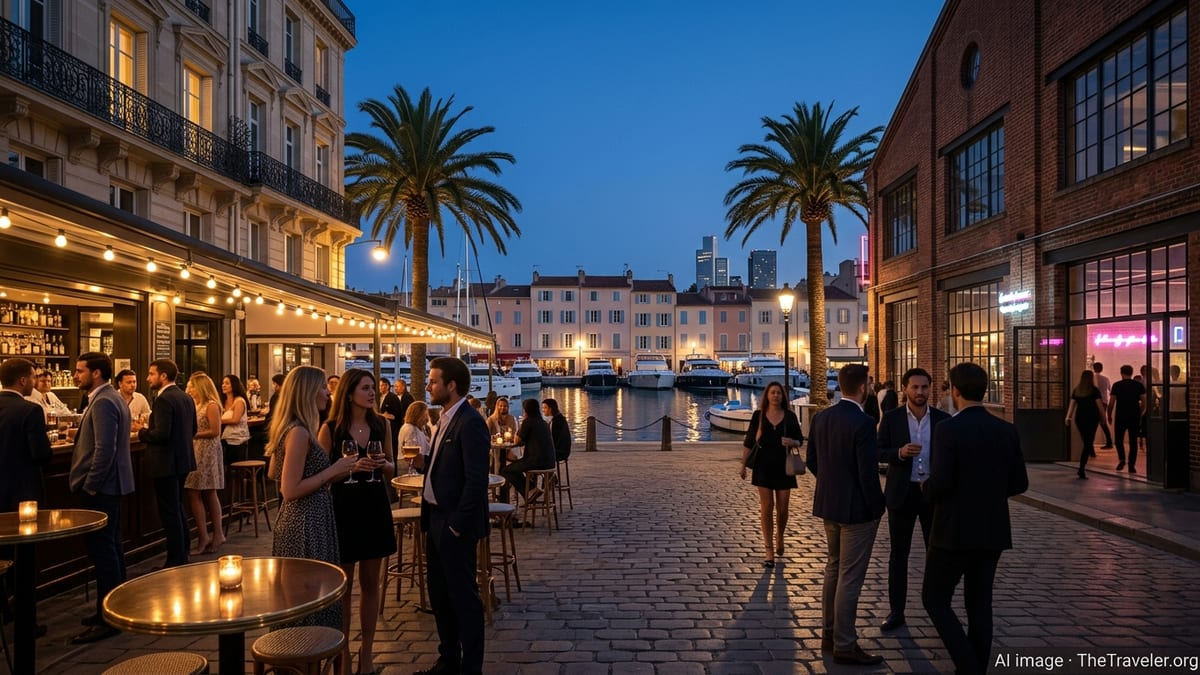
Saint-Tropez Steps Onto Europe’s Big-Nightlife Stage
Recent concierge guides and regional tourism updates highlight how Saint-Tropez’s clubs are preparing for the 2026 season with a focus on premium experiences, tighter programming and extended opening calendars. Previously seen mainly as a July and August playground, the Riviera town is leaning into shoulder seasons and winter weekends to keep its bars and clubs busy beyond peak holidays.
Flagship venues such as Les Caves du Roy, VIP Room, GAIO and newer spots like Sanctum are repeatedly cited in nightlife guides as anchors of the local scene, with table-focused service, late opening hours and international DJ line-ups designed to compete with better-known European capitals.
Regional tourism briefings for Provence Alpes Côte d’Azur indicate that Saint-Tropez operators have invested in upgraded sound systems, lighting and VIP areas in the last two years, while some clubs now run curated restaurant-club concepts to draw visitors earlier in the evening and keep them on site through to closing.
Inside Saint-Tropez: Clubs, Beach Nights and Longer Seasons
For 2026, the spotlight in Saint-Tropez is on hybrid venues that blend dinner, lounge and late-night dancing. Publicly available concierge brochures list Les Caves du Roy as a benchmark for high-end nightlife, with raised VIP sections overlooking the main floor and a programming schedule that stretches into the early hours of the morning for the summer and key holiday periods.
VIP Room continues to feature prominently in regional guides as one of the town’s best-known names, combining restaurant service, performance-style production and a rotating slate of international guests. Beach-club operators, meanwhile, are positioning sunset DJ sets and after-dark parties as part of the same ecosystem, encouraging visitors to move from loungers to dance floors without leaving the waterfront.
Reports on Saint-Tropez’s winter calendar point to a quiet but notable shift: some venues now stage Saturday-night events across the colder months, with closing times comparable to major metropolitan clubs. For travelers planning 2026 trips, this suggests that the Saint-Tropez nightlife experience is no longer confined to a narrow high-summer window.
Paris and London: Benchmark Capitals Set the Pace
While Saint-Tropez scales up, Paris and London remain reference points for European nightlife, with their dense clusters of clubs, concert halls and late-opening bars. In Paris, traveler discussions and event listings for 2025 and 2026 show a scene that leans heavily on mixed-use venues: cocktail bars that turn into dance floors, river barges with DJ sets along the Seine and late-night live-music spaces spread across the inner arrondissements.
Entry policies and dress expectations, particularly at selective venues in western Paris, are frequently debated in traveler forums, underlining how curated door policies remain a defining feature of the city’s higher-end clubs. At the same time, neighborhood bars with DJ booths in districts such as the 10th, 11th and along canal areas continue to attract visitors looking for a looser, more accessible night out.
London, according to recent leisure-industry trend reports, continues to be treated as a leading entertainment hub, with its nightlife market tied closely to live music, warehouse-style events and a network of late-opening venues spread from Soho and Shoreditch to emerging areas farther east. Large-scale night tube and bus services, combined with a strong festival and touring calendar, keep the city high on the list for travelers who want to combine club nights with concerts and cultural programming.
Copenhagen’s Meatpacking District and the North’s Late-Night Momentum
Copenhagen has steadily grown into one of Europe’s most talked-about after-hours cities, with several recent 2025 and 2026 guides naming it a standout destination for those seeking clubbing in a compact, walkable setting. The Kødbyen or Meatpacking District, a former industrial zone in Vesterbro, is consistently presented as the city’s nightlife epicenter, bringing together restaurants, bars, clubs and galleries in converted warehouses and former meat halls.
Travel and nightlife reports describe the district’s atmosphere as youthful and informal, with venues that stay open until the early morning and dance floors that rarely empty before dawn on weekends. Spots like Bakken and other warehouse-style clubs in Kødbyen are regularly mentioned for their DJ-led programming, inclusive crowds and a mix of electronic, disco and eclectic sounds.
Beyond the Meatpacking District, neighborhoods such as Nørrebro and Østerbro appear in traveler accounts as bar-hopping areas that feed into the late-night scene. Local city guides emphasize that Copenhagen’s compact geography and extensive public transport make it relatively easy to link several districts in a single night, giving it an edge for visitors who want variety without long transfers.
How Saint-Tropez Now Compares With Europe’s Heavy Hitters
Industry observers looking ahead to the 2026 season increasingly frame Saint-Tropez within a broader European nightlife network, where destinations compete not only on club quality but also on atmosphere, convenience and year-round appeal. In this landscape, Saint-Tropez differentiates itself with an intimate village center, short walking distances between venues and a blend of superyacht, beach and historic-town settings that is difficult to replicate in big cities.
Paris and London still dominate for scale, diversity and live-music infrastructure, offering hundreds of venues across multiple districts and a packed schedule of international tours, festivals and one-off events. Copenhagen, meanwhile, positions itself as a northern alternative that balances creative neighborhoods, experimental club programming and approachable, crowd-friendly spaces.
For travelers planning 2026 itineraries, publicly available coverage suggests a new pattern taking shape: combining a few nights in a major hub such as Paris or London with a focused, high-impact weekend in Saint-Tropez or Copenhagen. In that model, Saint-Tropez functions as the Riviera climax of a multi-city trip, delivering concentrated glamour and club culture that can now stand alongside Europe’s best-known nightlife scenes.