

More news on this day
Brisbane’s Salisbury Station is set to reopen on 2 March 2026 after a complete accessibility rebuild, a milestone that promises to reshape rail travel for commuters and visitors across South East Queensland.
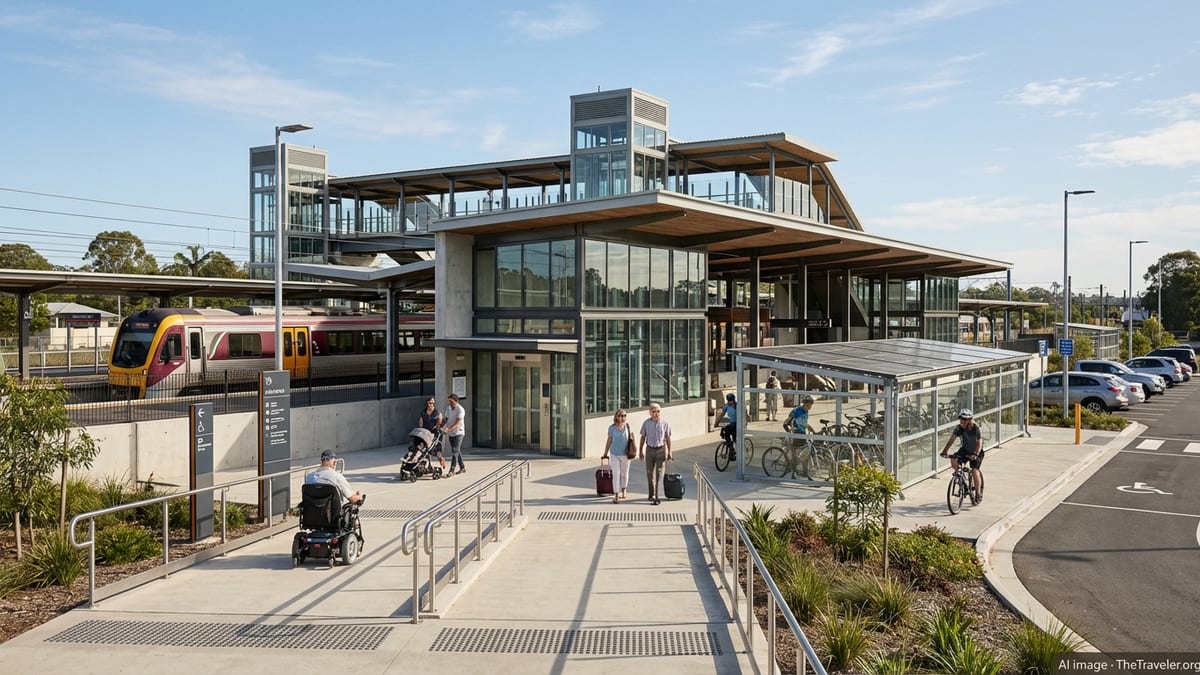
Ahead‑of‑Schedule Reopening Marks Major Milestone
The reopening of Salisbury Station on 2 March 2026 comes earlier than initially forecast, with the busy Beenleigh line hub returning to service after more than a year of full closure. The station shut in December 2024 to allow demolition of the old facilities and construction of a modern, fully accessible interchange as part of the state’s flagship Cross River Rail program.
Transport officials describe Salisbury as a critical piece in a broader transformation of Brisbane’s southside rail corridor, where a cluster of older stations between Dutton Park and Salisbury has been progressively rebuilt. With Fairfield, Yeronga, Rocklea and Dutton Park already upgraded, Salisbury’s return will mark the latest step in delivering a consistent, accessible experience along one of the region’s busiest commuter corridors.
The timing is also highly strategic. The new station comes online just as preparations intensify for major network changes linked to Cross River Rail’s upcoming underground services, giving passengers a higher standard of accessibility and amenity before further timetable and service adjustments roll out.
Officials have signalled that from 2 March trains will again stop at Salisbury throughout the day, ending months of express running through the closed station and restoring a key link for residents, local businesses, hospital staff and students who rely on the inner southside rail spine.
Step‑Free Access, Lifts and Safer Passenger Flows
At the heart of the rebuild is step‑free access from street to train, addressing long‑standing barriers for passengers using mobility aids, prams or heavy luggage. A new pedestrian overpass spans the rail corridor, with lifts and stairs connecting to each platform. The design replaces older, more constrained access arrangements with a clear, legible vertical transport system that aims to minimise crowding and improve safety during peak periods.
The platforms themselves have been rebuilt and raised to provide level or near‑level boarding with modern trains, significantly reducing the gap and step between train and platform. Tactile ground surface indicators have been laid along platform edges and key circulation routes, complemented by upgraded lighting to improve visibility in all conditions.
New wayfinding signage, audible announcements and hearing augmentation loops have been incorporated to better support passengers with low vision or hearing loss. These features have been informed by an accessibility reference group that has advised on station upgrades across the Cross River Rail corridor, ensuring that compliance with modern standards is matched by real‑world usability.
Security has also been enhanced. New closed‑circuit television coverage, clearer sightlines and improved platform canopies are designed to create a safer and more comfortable environment, particularly during early morning and evening services used by shift workers, school students and late‑night travellers.
Third Platform Boosts Capacity on the Beenleigh Line
One of the most significant structural changes at Salisbury is the addition of a third platform, a feature that positions the station as a more flexible node in the wider network. The extra platform gives operators more options for terminating and turning back services, managing disruptions and threading express and all‑stops trains through one of Brisbane’s busiest urban corridors.
In practical terms, the new layout will help accommodate future growth in services linked to Cross River Rail, which is expected to open up new paths through the inner city and increase capacity on the Beenleigh and Gold Coast lines. By building in redundancy and flexibility at Salisbury, planners aim to reduce knock‑on delays and smooth the passenger experience during peak hours.
The reconstruction has also been coordinated with recent signalling and power works in the area, including the installation of new overhead line equipment and upgraded track infrastructure. Together, these improvements are intended to support more frequent, reliable services while maintaining safety margins on a corridor that carries suburban, regional and freight traffic.
Network planners say the third platform will be especially important during major events, timetable changes and future expansions such as the proposed Salisbury to Beaudesert passenger link, for which a business case is being examined. While that project is still in planning, the rebuilt station has been designed with the flexibility to integrate with future service patterns.
New Entrances, Park‑and‑Ride and Bike Facilities for Seamless Journeys
The station’s transformation is not limited to platforms and tracks. The rebuild has reoriented Salisbury as a local transport hub, with new station entries from both Dollis Street and the existing commuter car park on Lillian Avenue. These access points feature shade canopies, seating, drinking fountains and wide footpaths that cater for wheelchairs, prams and passengers with rolling luggage.
Recent park‑and‑ride upgrades on the corner of Beaudesert Road and Lillian Avenue have already added more than a hundred new car parking spaces, helping to intercept motorists before they enter inner‑city congestion. With the station reopening, those facilities will now be closely integrated with the new station building and overpass, giving drivers a more direct, legible route from car to train.
Cyclists have also been a focus. A new enclosed bicycle storage shelter with capacity for dozens of bikes, alongside outdoor racks for short‑stay parking, is designed to encourage active travel to the station. By pairing secure bike parking with all‑day frequent rail services, planners hope to unlock longer bike‑train commute combinations from suburbs that have limited direct bus links.
On Dollis Street, new accessible parking spaces and kiss‑and‑ride bays will make it easier for carers, rideshare drivers and family members to drop off or collect passengers with reduced mobility. The redesigned forecourt areas are intended to separate vehicle movements from pedestrian flows, reducing conflict points and improving overall safety at busy times.
Transforming the Southside Station Corridor for Cross River Rail
Salisbury’s reopening comes as part of a rolling program that has already seen Fairfield, Yeronga, Rocklea and Dutton Park receive major accessibility and capacity upgrades. Each of these stations has been rebuilt with lifts, new overpasses, raised platforms and improved passenger amenities, delivering a consistent standard of access along the inner southside.
This cluster of upgrades is tightly linked to the delivery of Cross River Rail, the ambitious underground rail line that will add twin river crossings and new inner‑city stations to Brisbane’s network. By modernising stations on the surface corridors feeding into the new tunnels, authorities aim to spread the benefits of the megaproject well beyond the CBD.
For daily users of the southside network, the changes are already reshaping travel patterns. The opening of rebuilt stations has reduced the need for passengers with mobility impairments to travel past their local stop to find lifts or level access, saving time and making rail a more realistic option for medical appointments, study and work.
The program is not yet complete. As Salisbury returns to operation, neighbouring Moorooka station is scheduled to close on the same day for its own major accessibility rebuild, keeping construction crews and specialist contractors active along the corridor and maintaining momentum toward a fully accessible southside network.
Relief for Commuters After Extended Closure
For local residents and workers, the reopening of Salisbury will mark the end of a lengthy period of disruption. Since December 2024, trains on the Beenleigh line have run express through the closed station, with passengers directed to use nearby Rocklea or Coopers Plains stations, or transfer to temporary StationLink bus services.
The closure has pushed many commuters onto alternative routes via Beaudesert Road buses or into cars, increasing pressure on local roads and park‑and‑ride facilities. Small businesses around Salisbury’s shopping strip have reported a noticeable drop in passing trade as foot traffic from rail users temporarily evaporated.
With services returning on 2 March, retailers and cafes near the station are expecting a rebound in daytime activity, particularly from students, health workers and industrial employees who rely on early morning and late afternoon trains. For residents without cars, the restored train access is likely to be especially significant, reconnecting them to the broader network without the need for bus transfers.
Community groups have also pointed to the benefits for older residents and people with disabilities, who will no longer have to negotiate steeper ramps or multiple transfers to reach a station with lifts. The combination of step‑free access, clearer signage and improved lighting is expected to enhance the sense of safety and independence for more vulnerable users.
A New Gateway for Tourists Exploring Brisbane and Beyond
While Salisbury is primarily a commuter station, tourism planners see the rebuilt hub as part of a wider effort to make South East Queensland’s rail system more appealing to visitors. The station sits on a key suburban artery linking Brisbane’s inner city with the Gold Coast and Logan, and improved accessibility is expected to make it easier for tourists with luggage, families and older travellers to move around the region.
As rail services become more frequent and reliable through the corridor, Salisbury could also act as a convenient access point for visitors staying in nearby suburban accommodation, including short‑stay rentals that have grown in popularity south of the river. With step‑free access from street to platform and secure bike parking, it lends itself to multi‑modal day trips that combine train, walking and cycling.
Local tourism operators anticipate that better station facilities will support itineraries that connect Brisbane’s cultural precincts with emerging food, brewery and recreation destinations along the southside. Easy transfers to bus routes on Beaudesert Road and Lillian Avenue will allow visitors to reach neighbourhood venues that have historically been easier to access by car than by public transport.
In the longer term, if a passenger service between Salisbury and Beaudesert proceeds, the station could evolve into an interchange for visitors heading toward scenic rural and hinterland areas. For now, however, planners are focused on ensuring that the rebuilt station delivers a smooth, intuitive experience from opening day.
Designing With Accessibility Advocates and Future Growth in Mind
Project teams behind the rebuild say close engagement with accessibility advocates has been crucial to the final design. Representatives from disability organisations, older persons’ groups and community stakeholders have provided feedback on lift locations, seating, gradients, signage and the placement of features such as drinking fountains and tactile surfaces.
This collaborative approach aims to ensure Salisbury exceeds minimum compliance benchmarks and functions well under real‑world conditions. Extra attention has been given to shelter from sun and rain on platforms and approaches, reflecting Brisbane’s subtropical climate and the need to protect passengers during sudden downpours or extreme heat.
Inside the new station buildings, passenger amenities such as accessible toilets, staff facilities and ticketing areas have been arranged to reduce queuing and crowding pinch points. The architecture uses durable materials and finishes suited to a high‑use suburban station, with an emphasis on low‑maintenance surfaces and clear lines of sight for staff and security monitoring.
Looking ahead, the rebuild has been designed with future technologies and service expansions in mind. Space for additional ticketing equipment, upgraded digital information displays and potential micro‑mobility docks has been factored into the layout, giving Salisbury the capacity to evolve alongside South East Queensland’s changing transport needs over the coming decade.