

Samoa is one of the South Pacific’s most evocative destinations, combining volcanic peaks, emerald rainforest, lagoon-fringed coasts and a living Polynesian culture that shapes everyday life.
Far less commercial than some of its island neighbors, this independent nation rewards curious travelers with unhurried villages, generous hospitality and a strong sense of tradition. From the capital Apia to remote coastal fales, this guide walks you through Samoa’s islands, culture and the practical details you need to plan an unforgettable trip.
Understanding Samoa: Islands, Geography and When to Go
Samoa lies in the heart of the South Pacific, roughly halfway between Hawaii and New Zealand. The independent state of Samoa, sometimes called “Western Samoa” in older guidebooks, should not be confused with American Samoa, a separate United States territory to the east. Most visitors focus on the country’s two main islands: Upolu, home to the capital Apia and the main airport, and Savai‘i, a larger, more rural island known for its traditional villages, lava fields and relaxed pace. Several small offshore islets are home to marine reserves, reef breaks and picnic spots but there are no other large inhabited islands within the independent state.
Upolu is the heart of modern Samoan life. Apia sits on its northern coast and acts as the political and commercial hub, with a busy market, harbor and government buildings. East and south of the capital, the coast becomes more rural, with pockets of white-sand beaches, waterfalls, forest reserves and ocean trenches. Savai‘i, reached by ferry, feels more remote and traditional, with fewer towns, a strong village structure and dramatic natural features including blowholes, lava tubes and rugged surf beaches.
Samoa has a warm tropical climate throughout the year, with temperatures typically around 29 degrees Celsius and high humidity. The drier season runs roughly from May to October, while the wetter season is from November to April, when heavy showers and tropical storms are more likely. The main tourism peak is from June to September, which combines generally drier weather with school holidays in New Zealand and Australia. A secondary peak occurs around December and early January, when many Samoans living overseas return home to visit family.
For many visitors, the best periods balance favorable weather with fewer crowds. Late April to early June and late September to early November often see lower room rates and more availability while still offering plenty of sunshine. Cyclones are possible in the wet season, especially between December and March, so comprehensive travel insurance is advisable if you plan a trip at that time of year. Whenever you travel, pack light breathable clothing, sun protection and a light rain jacket for passing showers.
Culture and Fa‘asamoa: Experiencing the Samoan Way of Life
Samoan culture is among the oldest in Polynesia, with a heritage reaching back at least three millennia. Central to life here is the concept of fa‘asamoa, often translated as “the Samoan way.” It encompasses a network of customs and expectations governing respect for elders, service to the family and church, and the communal ownership of land and resources. Visitors are warmly welcomed when they show respect for these values and for the authority of village leaders.
Villages are organized around extended families and led by chiefs known as matai, who sit on village councils that oversee land, customs and community decisions. Traditional meeting houses, or fale tele, host gatherings, ceremonies and important discussions. You may also see open-sided family houses called fale Samoa, where people rest, eat and socialize in the shade. It is important to ask permission before walking into a village compound or taking photographs of people in or around traditional homes.
Religion is woven deeply into daily life, and churches of various denominations dot almost every village. Sundays are particularly important. Many businesses and most villages slow down significantly that day, with shops closed, streets quiet and families gathering for church services and large communal meals. As a visitor, you are usually welcome to attend services if modestly dressed. Expect powerful hymn singing and a formal yet hospitable atmosphere.
Respectful behavior is appreciated across the islands. Outside resorts and beaches used to foreign visitors, locals dress conservatively. Both men and women typically wear a lavalava, a wrap skirt, or a modest dress or shirt and long shorts. Swimwear should be reserved for the beach and pool areas, and you should cover shoulders and knees when walking through villages. Evening prayer time, called sa, is observed in many communities just after sunset. During this period, visitors are expected to avoid walking or driving through villages and to keep noise to a minimum until the church bells or conch shell signal that prayers have finished.
Top Places and Experiences Across Upolu and Savai‘i
Upolu’s north coast centers on Apia, a lively but compact capital that rewards a relaxed stroll. The downtown market offers tropical fruits, handmade crafts and woven mats. Nearby, you can visit the former home of Scottish author Robert Louis Stevenson, now a museum, and hike to his hilltop grave. The harborfront is lined with small restaurants and cafes, and you may see interisland ferries and cargo vessels coming and going.
East and south of Apia lie some of Samoa’s most photographed natural attractions. To Sua Ocean Trench on the south coast is a near-perfect volcanic sinkhole filled with turquoise seawater, reached by a steep ladder. Nearby beaches feature powder-soft sand and calm lagoons for swimming and snorkeling. Inland, waterfalls such as Togitogiga and Papapapaitai tumble through rainforest-clad valleys, offering scenic viewpoints and refreshing pools.
Savai‘i, reached by ferry from Upolu’s west coast, offers an even more laid-back atmosphere. The island is ringed by villages, coconut groves and coastline that alternates between reef-sheltered lagoons and wild surf. Highlights include the Alofaaga blowholes, where seawater shoots dramatically through ancient lava tubes; the Saleaula lava fields, reminders of 20th-century eruptions that buried villages; and Afu Aau Falls, a picturesque waterfall with a clear swimming pool nestled in the forest.
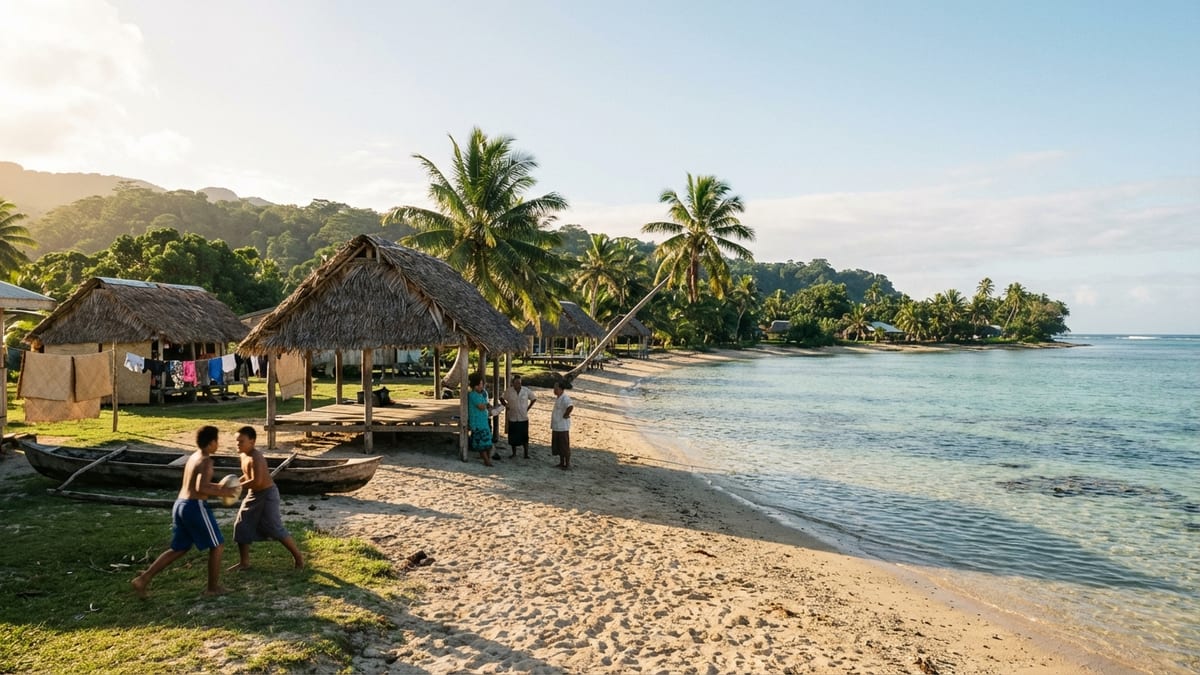
Coastal villages in both Upolu and Savai‘i often host traditional beach fales, simple open-sided huts with thatched or tin roofs perched right on the sand. Spending a night in a fale puts you steps from the lagoon and gives you a close-up view of village life, from fishing boats heading out at dawn to children playing rugby on the green. Many fale operators prepare home-style meals and may arrange cultural shows featuring siva (dance) and fire knife performances.
Practical Planning: Visas, Health and Safety
For many nationalities, short-term visits to Samoa are straightforward. Visitors staying less than 60 days for tourism are generally not required to obtain an entry permit in advance, provided they hold a passport valid for at least six months beyond their intended stay and can present a return or onward ticket along with evidence of sufficient funds. Some travelers, including those from neighboring countries, may be eligible for slightly different visitor permit durations. Because entry conditions can change, it is prudent to confirm current rules with an official Samoan consulate or immigration authority as you plan your trip.
Health regulations have been more prominent in recent years as Samoa has responded to outbreaks of diseases such as measles and COVID-19. The Ministry of Health has periodically required medical clearances or specific vaccinations for arriving travelers. In late 2025, authorities tightened requirements around measles vaccination, advising that travelers aged 12 months and older receive at least one dose of a measles-containing vaccine at least 14 days before arrival and carry proof of immunization. These requirements can evolve, so travelers should check the latest advisories from both Samoan health officials and their home country’s travel and health agencies before departure.
COVID-19 measures have also shifted over time, from pre-departure health checks and screenings at ports of entry to more routine public health guidance. At present, Samoa typically emphasizes symptom screening at the border, encouragement of hand hygiene and advice for travelers who feel unwell. However, given the potential for policy adjustments in response to new variants or regional outbreaks, it is important to review up-to-date information close to your travel date and to carry copies of any required test results or medical certificates.
Samoa is generally considered a safe destination, but standard precautions are wise. Petty crime such as theft from vehicles and accommodation can occur, especially in urban areas. Keep valuables out of sight, lock doors and windows, and avoid walking alone late at night, particularly around bars and the harborfront in Apia. In rural areas, natural hazards are more likely than crime: strong ocean currents, sharp coral, sudden waves on exposed coastlines and slippery rocks around waterfalls. Always heed local advice about where and when it is safe to swim and avoid venturing onto reefs or into rough surf without local guidance.
Getting There and Around
Most international visitors arrive at Faleolo International Airport, located on the northwest side of Upolu. The airport handles flights from hubs such as Auckland, Sydney, Brisbane, Nadi and occasionally Honolulu or other Pacific gateways, though schedules and routes can vary seasonally. It is wise to check current airline timetables and consider flexibility in your plans if you are connecting from long-haul flights via New Zealand or Australia.
From Faleolo, it is about a 45-minute drive to Apia along the north coast road, depending on traffic and weather. Taxis are available outside the terminal, and many resorts and guesthouses offer prearranged transfers. Public buses are colorful and inexpensive but operate on local schedules that may not align with flight times. Renting a car can be a convenient way to explore, but you will need to obtain a temporary local driving permit, usually available from car rental offices upon presentation of your home license.
Travel between Upolu and Savai‘i is by vehicle ferry, which departs from Mulifanua Wharf on Upolu and arrives at Salelologa on Savai‘i. Crossing times are typically around 75 to 90 minutes. There are both larger and smaller ferries and schedules can change at short notice due to maintenance or sea conditions, so confirm your departure time in advance and arrive early, especially if traveling with a vehicle. For day trips, time your return carefully to avoid being stranded overnight.
Within the islands, your main choices are rental car, taxi, local buses and organized tours. Rental cars give the greatest flexibility for exploring waterfalls, beaches and villages at your own pace, but roads can be narrow and winding, and livestock or pedestrians may appear suddenly. Taxis do not use meters, so agree on a fare before departure. Buses are an experience in themselves: often brightly painted, with music playing and stops made at passengers’ requests. They are inexpensive and social but rarely follow strict timetables. Guided tours, booked through hotels or visitor information centers, can be a stress-free way to reach specific attractions and include cultural experiences or meals.
Where to Stay and What It Costs
Samoa’s accommodation scene spans everything from simple beach huts to full-service resorts. In Apia, you will find midrange hotels and guesthouses that cater to business travelers and tourists alike, often with air conditioning, pools and in-house restaurants. These properties make a good base if you plan day trips around Upolu while enjoying the convenience of the capital’s services and dining options. Prices in town are often moderate by international standards, though they rise in peak seasons.
Along the coasts of Upolu and Savai‘i, beachfront resorts range from intimate boutique properties to larger family-friendly complexes. These typically offer a mix of hotel-style rooms, bungalows and villas set amid landscaped gardens or directly on the sand. Onsite restaurants, water-sports centers and cultural shows are common, and many resorts can help organize fishing, diving or village visits. Rates vary widely based on location, amenities and season, with the more secluded or luxurious options commanding higher nightly prices.
One of Samoa’s signature experiences is staying in a traditional beach fale. These simple structures, usually perched just meters from the shoreline, may consist of raised wooden platforms with posts and a thatched or tin roof, sometimes open-sided and sometimes with roll-down blinds or shutters. Bedding can range from mats and thin mattresses to more comfortable setups, and shared bathroom facilities are common. Fales are typically run by families and include home-cooked meals in the nightly rate, providing excellent value and a memorable cultural immersion.
Daily budgets vary by travel style. Backpackers and budget travelers who opt for fales, cook some of their own meals or eat at simple local eateries, and use buses can keep costs relatively low. Midrange travelers staying in guesthouses or modest resorts, dining in local restaurants and taking occasional tours will spend more but still less than in some other Pacific destinations. High-end travelers who prefer larger resort suites, private tours and extensive activities will find ways to indulge, although ultra-luxury options remain limited compared with places like Fiji or Tahiti.
Food, Festivals and Everyday Experiences
Samoan cuisine centers on fresh seafood, tropical produce and hearty dishes cooked slowly over fire. The traditional umu is an earth oven where food is placed on hot stones and covered with banana leaves to steam and roast. You may be able to watch the preparation of an umu in a village or as part of a cultural show, with dishes such as taro, breadfruit, palusami (taro leaves baked with coconut cream) and fish wrapped in leaves. The flavor is smoky and rich, and meals are often served family-style.
In towns and tourist areas, you will find a mix of local eateries and more contemporary cafes and restaurants. Fresh fish, coconut-based curries, grilled meats and tropical fruits such as papaya, mango and pineapple feature prominently. Imported foods, including Western-style fast food, are also available in and around Apia. Tap water quality can vary, so many visitors choose bottled or filtered water; your hotel or guesthouse can advise on what is safe to drink in their area.
Festivals highlight Samoa’s lively culture and close-knit communities. The Teuila Festival, usually held in Apia around early September, celebrates Samoan music, dance, arts and food, with parades, performances and contests that draw participants from across the islands and the diaspora. Smaller village-based celebrations, church events and sporting tournaments, especially rugby, are frequent throughout the year. If you happen upon a local event, ask politely whether visitors are welcome; in many cases you may be invited to join as an observer or even a participant.
Everyday interactions often become some of the most enduring memories. A simple greeting of “Talofa” goes a long way, and you will quickly notice how central family and respect are to conversation. Children may practice their English with you, elders may be keen to share stories, and you might be offered fresh coconuts or invited to sit and chat. While generosity is common, it is courteous not to press into private spaces, and if you wish to take close-up photographs of people, always ask for permission first.
The Takeaway
Samoa offers a compelling mix of natural beauty and living culture that rewards travelers who value authenticity over artifice. Its volcanic landscapes, coral lagoons and rainforest waterfalls provide the backdrop, but it is fa‘asamoa, the Samoan way of life, that gives the destination its distinctive atmosphere. Villages still follow rhythms shaped by family, church and tradition, and as a visitor you are invited to slow down, show respect and share in that world.
Planning a trip involves a bit of preparation, from checking current health and entry requirements to arranging interisland travel and choosing where to stay along Upolu and Savai‘i. Once on the ground, however, you will find that transport, accommodation and food are straightforward, and that local people are usually eager to help. Whether you are sleeping in a beach fale under the stars, exploring blowholes and lava fields, or listening to hymns drift over the village at dusk, Samoa has a way of getting under your skin.
For travelers seeking a Pacific islands experience that is still rooted in tradition, with enough modern comfort to make it easy yet not so much development that it feels generic, Samoa stands out. Approach with curiosity, patience and an open heart, and you will be rewarded with moments and connections that linger long after you leave its shores.
FAQ
Q1. Do I need a visa to visit Samoa for a short holiday?
For many nationalities, a pre-arranged visa is not required for tourist stays of less than 60 days, provided you have a passport valid for at least six months beyond your stay, a return or onward ticket and proof of sufficient funds. Because rules can change and may differ by nationality, you should confirm the latest entry requirements with a Samoan consulate or your airline before traveling.
Q2. When is the best time of year to travel to Samoa?
The drier season from May to October is generally considered the most comfortable time to visit, with slightly cooler temperatures and fewer heavy showers. Peak season runs from June to September and again around December and early January, when prices and demand are higher. Shoulder months at the edges of the dry season can offer a good balance between weather and crowd levels.
Q3. Is Samoa safe for solo travelers and families?
Samoa is widely regarded as a friendly and relatively safe destination, including for solo travelers and families. Petty crime does occur, especially in urban areas, so you should take normal precautions such as securing valuables, avoiding isolated areas at night and being mindful around bars. In rural areas, the primary risks are natural ones such as strong currents and slippery rocks, so always follow local safety advice.
Q4. How do I get between Upolu and Savai‘i?
Regular vehicle ferries connect Mulifanua Wharf on Upolu with Salelologa on Savai‘i, with crossing times of roughly 75 to 90 minutes. You can travel as a foot passenger or take a rental car if your agreement allows it. Schedules may vary due to sea conditions or maintenance, so confirm departure times in advance and allow extra time if catching a flight the same day.
Q5. What is a beach fale and should I stay in one?
A beach fale is a traditional Samoan open-sided hut, usually just steps from the sea, often with mats or mattresses laid out for sleeping and roll-down blinds for privacy and weather protection. Many are family-run and include simple breakfasts and dinners. Staying in a fale is an affordable and memorable way to experience village life and the coastal environment, provided you are comfortable with basic facilities and a communal atmosphere.
Q6. Are there any cultural customs I should be especially aware of?
Yes. Dress modestly when away from resort areas, covering shoulders and knees in villages. Ask permission before entering private land or taking close-up photographs of people. Respect Sunday as a day of rest, when many businesses close and families focus on church and home. During evening prayer time, or sa, avoid walking or driving through villages and keep noise low until the prayers conclude.
Q7. What health precautions should I take before traveling?
Consult a travel health clinic well before departure to review routine vaccinations and any recommended shots for the Pacific region. In recent years Samoa has required or strongly encouraged proof of measles vaccination for travelers over 12 months old, and public health policies can change in response to outbreaks. Protect yourself against mosquito bites where relevant, drink safe or treated water and carry basic medications for stomach upsets and minor ailments.
Q8. Can I rely on public transport, or should I rent a car?
Public buses are an affordable and sociable way to travel between towns and major villages, but routes and schedules are informal and not always convenient for sightseeing. Renting a car provides much more flexibility to visit waterfalls, beaches and viewpoints on your own timetable, though you will need a temporary local driving permit and should be comfortable driving on narrow roads with pedestrians and animals. Many visitors combine occasional bus rides with taxis or organized tours.
Q9. How much does a typical trip to Samoa cost?
Costs vary widely by travel style, season and choice of accommodation. Budget travelers staying in beach fales, eating mainly at local eateries and using buses can keep expenses relatively low by Pacific standards. Midrange visitors who choose guesthouses or modest resorts, dine at a mix of local and hotel restaurants and book some tours can expect moderate daily costs. High-end resort stays, private guides and extensive activities will push budgets higher, though overall prices remain below some more developed island destinations.
Q10. Is Samoa suitable for travelers who want both relaxation and activities?
Yes. Samoa is well suited to travelers seeking a balance between slow-paced beach time and active exploration. You can alternate days of swimming, snorkeling and reading in a hammock with outings to waterfalls, lava fields, cultural villages and ocean trenches. Light adventure activities such as hiking, kayaking and reef snorkeling are widely available, yet the overall atmosphere remains relaxed rather than highly commercialized.