

More news on this day
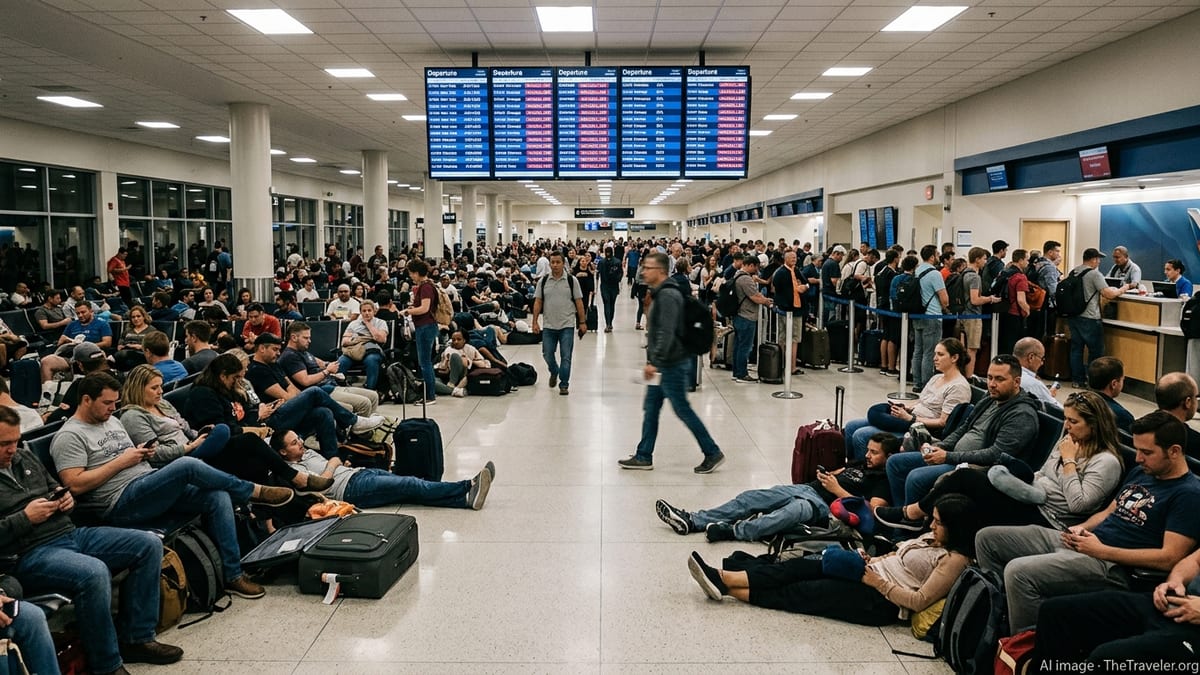
Hundreds of travelers departing San Antonio International Airport this week have been left sleeping in terminals, renting last-minute cars, or abandoning trips altogether after a wave of sudden flight cancellations to some of the most popular destinations in the United States, highlighting how quickly the country’s air travel network can seize up when weather, staffing and tightly packed schedules collide.
Get the latest news straight to your inbox!
Wave of Cancellations Hits Peak Spring Travel
The disruption in San Antonio has unfolded against a broader backdrop of nationwide turbulence in the air system, as powerful late winter storms sweeping across the eastern half of the country have triggered thousands of cancellations and delays at major hubs. Published coverage describes airlines scrambling to reset schedules after severe weather and a strained security apparatus converged during one of the busiest travel periods of the year for spring break and sports tourism.
San Antonio International is not among the country’s largest hubs, but its role as a feeder to major connection points has magnified the impact. Flights from San Antonio to airports in cities such as Dallas, Houston, Chicago, Atlanta and Orlando are critical links for travelers heading on to coastal gateways and resort destinations. When those spokes are cut, passengers bound for dozens of final destinations can be stranded simultaneously.
Publicly available flight-tracking data for mid-March show lines of disruptions radiating outward from weather-affected hubs in the Midwest and East, with cascading schedule resets rippling back into Texas. As flights out of San Antonio were scrubbed or significantly delayed, travelers reported missing tightly timed connections and being rebooked one or even two days later, if at all.
The timing has intensified frustration. March brings heavier-than-usual demand from family vacationers, convention attendees and fans traveling to college basketball tournaments, leaving far fewer open seats on remaining flights when disruptions hit. Once a single bank of departures from San Antonio was canceled, the scramble for alternatives quickly exhausted nearby options.
Top Destinations Disrupted as Hub Networks Snarl
The worst effects have centered on routes that connect San Antonio to some of the country’s busiest and most delay-prone airports. Published accounts of the current storm system and accompanying travel chaos highlight heavy cancellations at major hubs including New York, Chicago and Atlanta, all of which frequently rely on Texas feeder flights to keep their domestic networks running.
Travelers from San Antonio heading to top leisure destinations such as Orlando, Las Vegas and coastal Florida often route through those same hubs, meaning a single scrubbed departure from San Antonio can unravel multi-city itineraries. Reports from other airports show that once the disruptions spread, standby lists for remaining flights quickly swelled into the dozens, a pattern reflected in anecdotal accounts from passengers attempting to rebook out of Texas.
Operational data released in recent months indicate that San Antonio International has been growing but still operates with a relatively lean schedule compared with mega-hubs. That leaves less slack in the system when national events squeeze capacity. If a mid-morning departure to a key hub is canceled, the next available nonstop might not depart for many hours, and connecting alternatives through secondary cities can involve long, circuitous routings.
These structural realities help explain why travelers found themselves stuck not only in San Antonio but also in distant connecting cities when flights back into Texas were affected. With storms disrupting Northeast and Midwest traffic and airspace closures and ground stops periodically affecting parts of the Southwest in recent months, links in and out of the region have become more vulnerable to knock-on problems.
What Airlines Emphasize, and What They Leave Out
Airlines publicly frame most of the current disruption around severe weather and airspace constraints, pointing to published travel alerts, waivers and safety protocols. Those factors are real and documented. However, the experience of stranded San Antonio passengers also exposes less-publicized elements of modern airline scheduling that can turn a single canceled flight into a multi-day ordeal.
Carriers in the United States now rely heavily on complex hub-and-spoke networks with tight aircraft and crew rotations. Operational analyses of recent storms show that when one leg in that chain is canceled or heavily delayed, an aircraft and its crew may fall out of position for several subsequent flights. In practice, that means a thunderstorm over one region or a temporary airspace restriction hundreds of miles away can lead to last-minute cancellations on a seemingly unrelated San Antonio route hours later.
Another factor is how aggressively airlines optimize capacity. Industry statistics for San Antonio released earlier this year note that overall scheduled capacity at the airport has been trimmed even as passenger numbers continue to grow. That combination of fuller planes and fewer flights leaves customers with far fewer rebooking options when several departures are canceled at once.
What many travelers only discover at the airport is that backup plans assumed in earlier eras, such as rolling over onto another carrier’s flight or easily switching to a nearby hub, are far less available in today’s environment. Reciprocal interline agreements are more limited, some discount carriers do not rebook onto competitors at all, and same-day alternatives can be extremely scarce once a disruption spreads across multiple hubs.
Limited Recourse for Stranded Passengers
For many San Antonio passengers caught up in this week’s disruptions, the practical question has been what compensation or assistance they can expect. Publicly available information from U.S. regulators and airline customer service dashboards makes a sharp distinction between cancellations caused by factors within the airline’s control and those attributed to weather or air traffic system constraints.
In cases categorized as weather-related, carriers typically are not required under U.S. rules to provide hotel accommodations or meal vouchers, even if travelers are stranded overnight. Some airlines voluntarily offer partial assistance, but reports from recent major storms and airspace shutdowns indicate that many passengers are left to book hotels at their own expense or attempt to sleep in terminal seating while waiting for the next available departure.
Credit card travel protections and individual travel insurance policies sometimes fill part of that gap, but those benefits vary widely and often require travelers to pay out of pocket first and claim reimbursement later. For families or groups traveling during peak season, the unplanned cost of lodging, food and missed reservations can quickly exceed the original ticket price.
Compounding the problem, real-time customer support capacity tends to buckle during major disruptions. Call centers, messaging channels and airport service desks can all see long queues at once, which recent passenger accounts from multiple U.S. airports have emphasized. For San Antonio travelers caught in the latest wave of cancellations, this has meant hours in line for rebooking that may result only in placement on a standby list.
How Travelers Can Prepare for Ongoing Volatility
While the latest crisis has been triggered by a specific combination of storms, staffing pressures and heavily loaded schedules, the pattern fits a broader trend of volatility in U.S. air travel that industry analysts do not expect to disappear soon. As San Antonio works on long-term expansion plans, including new terminal projects and airfield upgrades, short-term resilience for travelers will continue to depend largely on individual planning.
Consumer advocates and travel experts commenting on recent nationwide disruptions have consistently highlighted several strategies. Booking the earliest flight of the day can reduce exposure to cascading delays. Choosing nonstop routes where possible limits the number of failure points. Connecting through less congested hubs, even at a slight inconvenience, can sometimes improve odds of staying on schedule when storms or airspace restrictions hit major hubs.
Travelers departing San Antonio during peak seasons may also benefit from monitoring broader weather and system conditions in the days before departure, not just the forecast in south Texas. If a powerful storm complex is forecast to sweep across key hubs or if significant airspace restrictions are announced, rebooking in advance or adjusting travel dates may be less disruptive than waiting for same-day cancellations.
For now, those caught sleeping on airport floors or scrambling for rental cars out of San Antonio’s terminals are a visible reminder of how dependent U.S. travel has become on tightly coupled systems. When those systems falter, especially during the busy spring period, even a single canceled departure from a mid-sized airport can strand hundreds and reverberate across the country’s most popular destinations.