

More news on this day
Travelers across the United States are experiencing fresh disruption on April 12 as San Diego International Airport reports 46 delayed flights and one cancellation, with operational problems for United Airlines, Southwest Airlines, Alaska Airlines and other carriers affecting passengers on routes to and from Los Angeles, Chicago and additional major cities.
Get the latest news straight to your inbox!
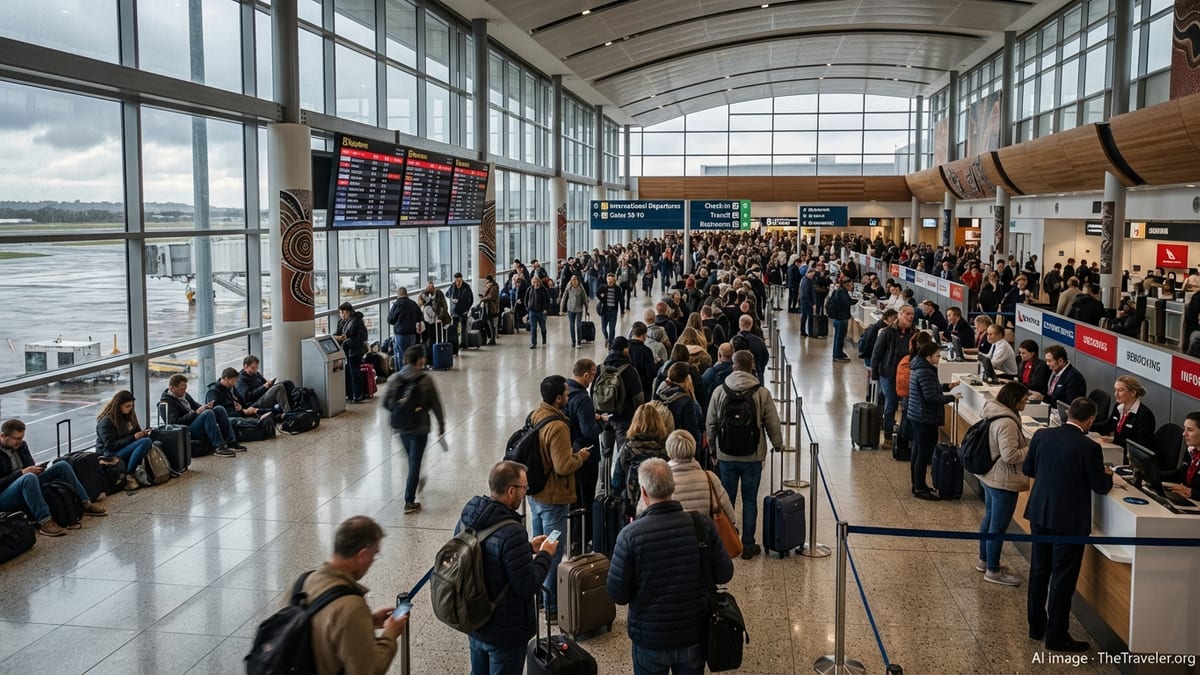
Dozens of Flights Affected at San Diego International
Publicly available flight tracking data and aviation media reports indicate that San Diego International Airport is contending with a concentrated wave of disruptions today, with 46 flights delayed and one cancellation recorded across its schedule. The impact spans departures and arrivals, affecting morning, midday and afternoon operations.
The delays involve a mix of mainline and regional services operated or marketed by United Airlines, Southwest Airlines and Alaska Airlines, among others. Several domestic routes linking San Diego to other large hubs, including Los Angeles and Chicago, are showing departure and arrival times pushed back beyond published schedules, in some cases by more than an hour.
While the overall number of cancellations remains limited, the volume of late departures is creating knock-on effects for connecting passengers and aircraft rotations. Aviation data sites show aircraft operating late into and out of San Diego, which can cascade across subsequent flights and contribute to systemwide congestion.
Airport planning documents and operational summaries for San Diego highlight that the facility is operating close to capacity during peak periods, which can amplify the effects of relatively modest disruptions. When schedules are compressed, even a handful of delayed arrivals can quickly crowd gates and push later departures behind schedule.
Ripple Effects for Los Angeles, Chicago and Other Hubs
The latest disruption in San Diego adds to a broader pattern of strain across the national air network on April 12. Separate coverage focused on Los Angeles International Airport points to more than one hundred delays and several cancellations there today, underscoring how congestion or operational challenges at one West Coast gateway can compound issues at another.
National roundups of same day flight performance also show that Chicago, Atlanta, Newark and other large hubs are managing elevated numbers of delayed and canceled flights. That broader backdrop means passengers flying between San Diego and cities such as Los Angeles and Chicago are more exposed to missed connections, rebookings and extended time on the ground.
In practice, a delayed departure from San Diego can result in missed onward flights at a hub like Los Angeles or Chicago, requiring travelers to be moved to later services that are already heavily booked. Conversely, late inbound aircraft from those hubs can arrive behind schedule in San Diego, compressing turnaround times and increasing the likelihood of further delays.
Industry analyses regularly note that when several key airports experience elevated disruption on the same day, the effect is rarely isolated to those locations. Instead, crews, aircraft and passengers become out of position across the network, leading to a patchwork of delays throughout the day and into the evening.
Airlines Face Operational and Weather Headwinds
According to flight performance databases and recent government and industry reports, San Diego has historically been vulnerable to certain recurring operational pressures, including low coastal cloud ceilings and fog, tight runway capacity and heavy morning departure banks, all of which can contribute to cascading delays.
On April 12, airlines serving San Diego appear to be grappling with a combination of local and national factors. While detailed real time meteorological assessments vary, coastal weather patterns, air traffic control spacing requirements and network level congestion all commonly play a role when the airport registers dozens of delays but only a small number of outright cancellations.
United, Southwest and Alaska each run busy schedules linking San Diego with other major hubs and leisure markets, so any disruption to aircraft or crew availability can move quickly through their systems. When a single aircraft arrives late from a previous leg, the delay can impact multiple subsequent departures from San Diego and from downline cities such as Los Angeles, Phoenix, Denver or Chicago.
Recent federal analyses of delay trends emphasize that even mid sized airports like San Diego contribute meaningfully to national performance statistics because they sit within complex webs of airline routes. When those airports encounter operational snags, the resulting delays can be felt far beyond the local region.
Passenger Experience: Longer Waits and Tight Connections
For travelers, the immediate effect of the current disruption is most visible in longer waits at gates, more time spent on aircraft awaiting departure slots and a greater risk of misaligned connections. Passengers connecting in Los Angeles or Chicago after flights from San Diego face narrower margins to make onward departures, raising the likelihood of overnight stays or rebookings on later services.
Reports from recent travel days at San Diego International note that security and check in queues can lengthen quickly when multiple delayed flights converge around the same departure windows. As flights bunch together, terminal areas become more crowded and services such as concessions, seating and customer service counters come under additional strain.
Air travel advocates and consumer groups routinely advise passengers to monitor their flight status frequently on days when network wide disruptions are reported, to build extra time into itineraries that involve connections, and to keep essential items in carry on bags in case of unexpected overnight stays.
Travel patterns heading into the spring and summer period typically bring higher passenger volumes through San Diego, Los Angeles, Chicago and other large airports. With today’s disruptions adding to a series of recent operational challenges across the country, travelers are being reminded that even a seemingly minor delay on departure can reverberate through an entire journey.
Broader Context in a Strained US Air Travel System
The difficulties at San Diego International on April 12 are unfolding against a backdrop of broader stress in the United States air travel system, with recent days marked by sizable numbers of delayed and canceled flights at several major airports. Industry observers note that demand has remained strong while airlines and airports continue to balance staffing, maintenance and infrastructure constraints.
Data compiled over recent months indicate that while overall reliability has improved compared with some earlier periods of severe disruption, concentrated pockets of delays and cancellations remain common, particularly during adverse weather or at airports operating near their capacity limits. Mid sized hubs like San Diego are often particularly exposed, given limited runway and gate flexibility.
Aviation planning materials for San Diego highlight ongoing investments in terminal and airfield projects designed to improve capacity and resilience over the longer term. However, such upgrades often take years to complete, meaning that travelers in the near term must continue to navigate a system where even relatively small operational shocks can produce noticeable disruption.
As the day progresses, updated flight data will show whether the current count of 46 delayed flights and one cancellation at San Diego grows or stabilizes. For now, the situation provides another snapshot of how quickly local issues can propagate across a national network, affecting passengers well beyond Southern California.