

More news on this day
Travelers using San Francisco International Airport over the coming months are being warned to expect longer waits, as new Federal Aviation Administration safety restrictions on landings take effect just as a major runway repaving project reduces capacity.
Get the latest news straight to your inbox!
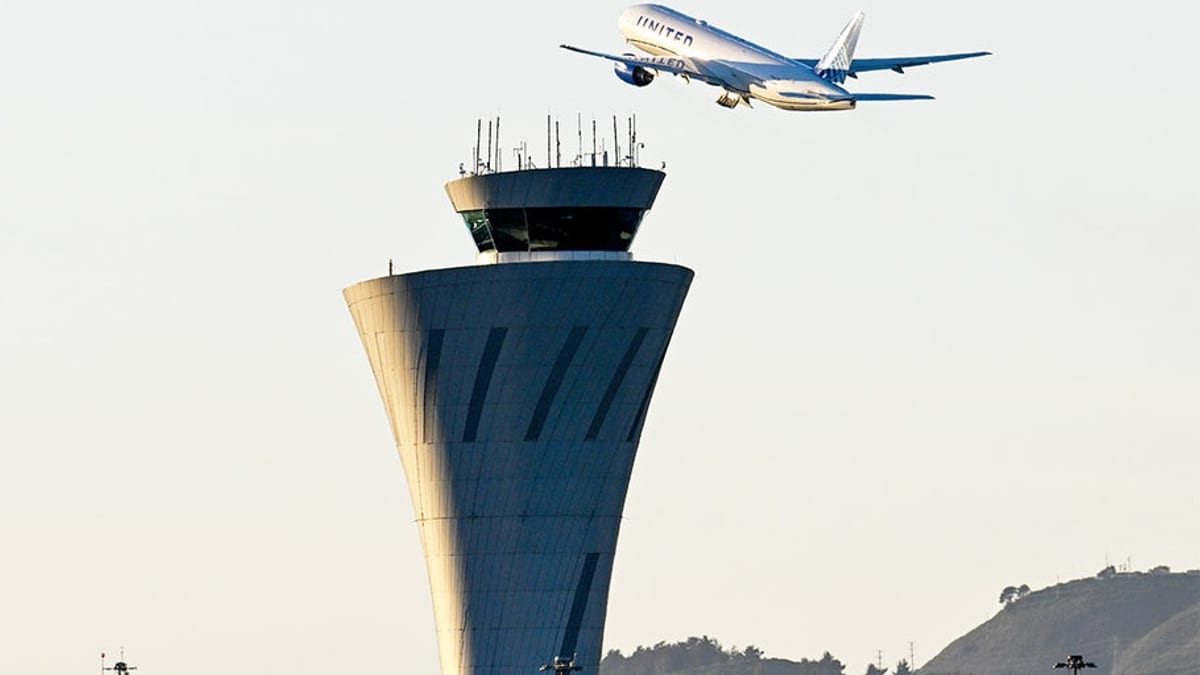
Image by foxbusiness.com
New FAA Order Cuts Arrival Capacity at SFO
Publicly available information shows that the FAA has moved to sharply limit certain landings at San Francisco International Airport, a decision that significantly reduces how many flights can arrive each hour. The agency is ending the long-standing practice of near-simultaneous “side-by-side” approaches to SFO’s closely spaced parallel east–west runways in good weather, a signature feature of the airport’s traffic flow.
Reports indicate that the maximum arrival rate at SFO is being cut from 54 to 36 flights per hour during the period covered by the new rules. That change comes on top of capacity constraints tied to runway construction and is expected to translate directly into more frequent and longer delays across many airlines and routes serving the Bay Area hub.
According to published coverage, the FAA framed the change as a safety-driven adjustment to approach procedures at a complex airfield, rather than a nationwide shift in policy. The restrictions are specific to San Francisco’s runway layout and busy airspace, where aircraft have long operated with reduced spacing under certain conditions to maintain high throughput.
Runway Repaving Amplifies Disruption
The timing of the FAA’s order coincides with the closure of one of SFO’s main north–south runways for a substantial repaving and upgrade project expected to last about six months, from late March through early October 2026. That construction work had already prompted the airport to prepare for a notable rise in delays, even before the landing rule change was announced.
Prior SFO planning documents and recent news reports show that airport managers initially anticipated about 10 to 15 percent of flights would face delays of at least 30 minutes during the repaving period. With the FAA’s reduction in allowable arrivals layered on top, the airport now expects around a quarter of arriving flights could be delayed by that margin or more on busy days.
The runway work effectively concentrates most operations on SFO’s remaining pair of parallel east–west runways, which are also the focus of the new restrictions on side-by-side approaches. This combination narrows the airport’s operational flexibility, making it more likely that even routine disruptions, such as minor weather changes or upstream congestion, will ripple into longer waits for passengers.
Safety Concerns Behind the Landing Restrictions
Coverage from aviation and general news outlets links the FAA’s move at SFO to a broader focus on runway and approach safety in the national airspace system. While the San Francisco decision is described as specific to the airport’s configuration, the change follows a series of high-profile runway incidents at other major airports, including a recent deadly collision between a regional jet and an emergency vehicle at New York’s LaGuardia Airport.
For years, simultaneous or closely spaced parallel approaches at SFO have required tight coordination and precise flying, particularly in clear-weather operations when air traffic control could authorize reduced separation. The new order removes that option by requiring staggered, sequential arrivals to the east–west runways, even when visibility is good, which substantially lowers the number of aircraft that can land per hour.
Analysts quoted in public reporting note that similar parallel-approach procedures are already limited or prohibited at many other airports when visibility drops, and that SFO’s iconic side-by-side landings were increasingly seen as difficult to reconcile with a conservative approach to risk. The updated rules effectively make those constraints permanent at San Francisco, regardless of weather, in the name of a higher safety margin.
What Passengers Can Expect in the Months Ahead
Based on current forecasts from airport and aviation sources, travelers passing through SFO over the next half-year are likely to see more ground delays at their departure airports, longer holding patterns in the air near San Francisco, and a greater risk of missed connections. Airlines typically respond to capacity reductions by spreading out arrival times and padding schedules, but many flights may still arrive well behind their planned times during peak hours.
Industry reports suggest that mid-morning and evening banks, historically some of SFO’s busiest periods, could be particularly affected as the reduced arrival rate collides with strong demand on both transcontinental and regional routes. Even on clear, calm days, passengers may notice that aircraft are spaced farther apart on final approach and that landings occur in a more linear sequence than the eye-catching side-by-side patterns that once drew aviation enthusiasts to SFO’s viewing spots.
Travel coverage advises passengers to build extra time into itineraries involving San Francisco, especially when booking tight domestic or international connections. Early-day flights, flexible rebooking options, and carry-on luggage rather than checked bags are among the strategies often recommended to help reduce the impact when delays cascade through the system.
Broader Impact on Airlines and the Bay Area
The combined effect of the FAA’s landing restrictions and the runway project is expected to challenge airline operations at one of the West Coast’s most important hubs. Publicly available estimates indicate that a nearly one-third cut in peak arrival capacity will force carriers to reconsider scheduling, aircraft utilization, and contingency plans throughout the six-month construction window and potentially beyond.
Major domestic and international airlines that rely on SFO as a connecting point may respond by adjusting flight times, shifting some service to alternative Bay Area airports, or temporarily trimming frequencies on select routes. Regional airports such as Oakland and San Jose could see secondary effects as travelers and airlines look for options with fewer constraints, although those facilities have their own capacity and infrastructure limits.
For the Bay Area economy, increased travel times and less predictable arrival patterns come as both tourism and business travel continue to recover and evolve. Local hospitality and technology sectors that depend on reliable air links may see schedules tighten further around critical meetings, conferences, and events, with more emphasis on virtual participation when flight reliability is uncertain.
While the FAA’s restrictions at SFO are framed as a safety-first measure, their practical impact will be felt daily by passengers, airlines, and workers on the ground. With the runway repaving not scheduled to conclude until early October and the new landing rules expected to remain in place beyond that, the region’s primary international gateway is preparing for an extended period of constrained operations and heightened focus on managing delays.