

More news on this day
Travelers across the United States faced another day of disruption as San Francisco International Airport recorded 138 delayed flights and 10 cancellations, snarling operations for United Airlines, Alaska Airlines, SkyWest and other carriers on routes linking major hubs including Los Angeles, Denver and Dallas–Fort Worth.
Get the latest news straight to your inbox!
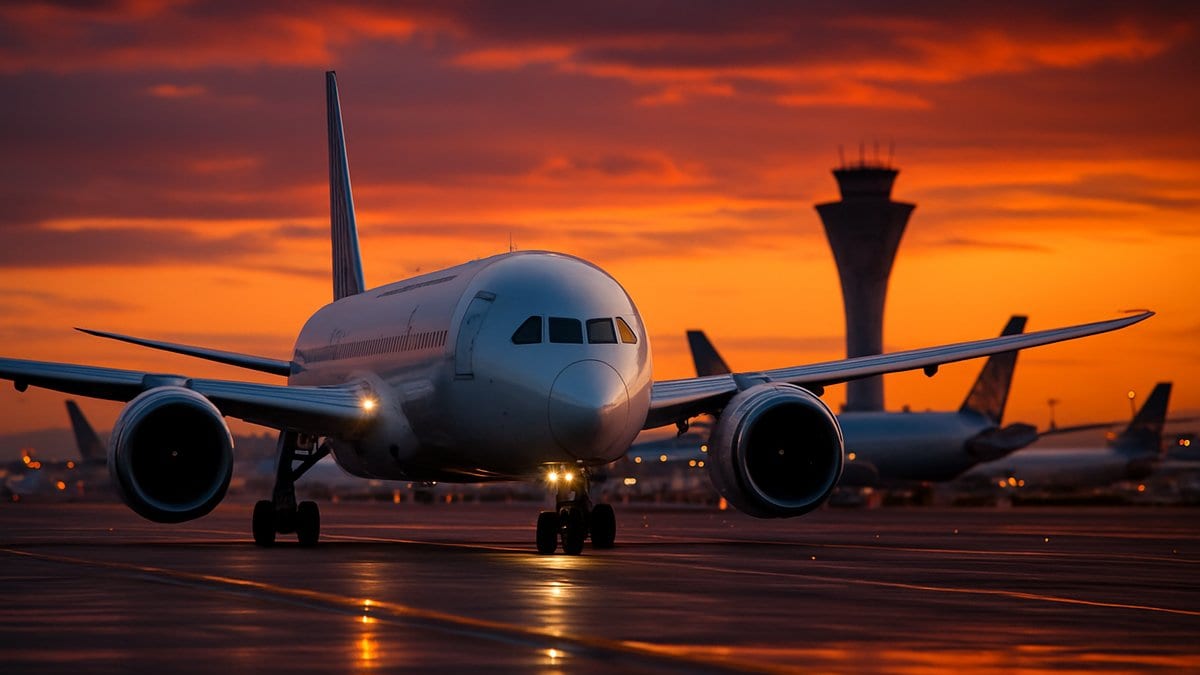
High Delay Numbers Underscore Strain at Key West Coast Hub
Publicly available aviation dashboards on Sunday indicated that San Francisco International Airport was among the more affected U.S. hubs, with 138 delayed services and 10 flight cancellations traced to the airport’s operations. The disruption touched a mix of domestic and cross border routes, complicating travel plans for passengers starting or connecting through the Bay Area.
Data cited by industry-focused outlets showed that United Airlines bore the largest share of schedule problems at San Francisco, with 57 delays and one cancellation. Alaska Airlines and SkyWest Airlines, which feed traffic into United’s network as regional partners, also reported elevated disruption levels. Alaska logged eight delays and three cancellations, while SkyWest recorded 23 delayed services from the airport.
Other carriers, including American Airlines and Air Canada, were also affected, though on a smaller scale. Reports indicated that American counted 14 delays, while Air Canada saw four delays and two cancellations tied to San Francisco operations. The figures highlighted how a single airport’s operational constraints can quickly reverberate across multiple airline networks.
FAA Capacity Cuts and Runway Work Fuel Persistent Delays
The latest disruption unfolded against the backdrop of significant structural changes to San Francisco’s air traffic capacity. Over the past week, multiple news outlets have reported that the Federal Aviation Administration reduced the airport’s maximum hourly arrivals from about 54 to 36, citing safety considerations around closely spaced parallel runways and ongoing runway construction projects.
Travel coverage from regional and national publications has noted that the new limits effectively remove the option of side by side approaches on the airport’s main east west runways in many conditions. That change curbs the number of aircraft that can land in any given hour, increasing the risk that inbound flights will face ground delay programs at departure airports or holding patterns in crowded Bay Area airspace.
Airport and airline communications reviewed by travel media suggest that operators had initially projected delay impacts for roughly 15 percent of flights during runway works, but subsequent FAA rule changes could push that share significantly higher. Some analyses now indicate that as many as one in four flights to San Francisco during peak periods may experience delays of 30 minutes or more, especially when marine layer clouds, wind or wider network weather issues compound the reduced arrival rate.
Network Effects Reach Los Angeles, Denver, Dallas and Beyond
While the latest numbers focused on San Francisco, the disruption radiated outward through airline networks to other major U.S. airports. Industry reports tracking same day performance noted knock on impacts at Los Angeles, Denver and Dallas–Fort Worth, among others, as delayed departures and missed connection windows forced schedule adjustments across multiple time zones.
United’s position as San Francisco’s largest hub carrier means that delayed departures from the Bay Area can quickly affect banks of connecting flights through Denver and other inland hubs. Regional operators such as SkyWest, which flies many services under United Express branding, are particularly exposed when arrival slots into San Francisco tighten, as they must juggle aircraft and crew assignments across shorter, high frequency routes.
Alaska Airlines, which maintains a growing West Coast network centered on San Francisco and other coastal gateways, has also faced operational challenges when arrival rates fall. Travel trade coverage has pointed out that even a modest number of cancellations at a hub can strand aircraft away from their intended overnight locations, complicating the following day’s schedule and raising the risk of rolling delays for travelers.
Holiday Demand and Weather Compound Existing Vulnerabilities
The latest figures from San Francisco came amid a broader period of elevated disruption across the U.S. system. Over the Easter travel window, multiple outlets reported thousands of delayed flights and several hundred cancellations nationwide, driven by thunderstorms in Texas and the Southeast, along with low ceilings and runway work at key hubs such as San Francisco and Denver.
Travel analysts quoted in recent coverage have emphasized that airlines are increasingly inclined to delay flights rather than cancel them outright in an effort to keep aircraft and crews positioned for later rotations. While that strategy may reduce the overall number of cancellations, it also lengthens connection times, increases the likelihood of missed onward flights and can push crews up against duty time limits late in the day, triggering last minute cancellations that leave passengers stuck overnight.
San Francisco’s situation illustrates how infrastructure and regulatory factors interact with peak travel demand. The combination of constrained runway capacity, stricter approach rules and high passenger volumes during holiday periods has created conditions where even minor weather disruptions can tip the system into widespread delay.
What Travelers Can Expect in the Coming Weeks
Based on current FAA guidance and publicly discussed construction timelines, the reduced arrival rates at San Francisco are expected to remain in place for an extended period, particularly while runway work continues and safety related rule changes are evaluated. Travel commentators have suggested that periods of relatively smooth operations will likely alternate with days of heavy disruption whenever low clouds, wind or national weather events intersect with peak travel times.
Consumer advocates note that passengers whose flights are canceled are generally entitled to a refund if they choose not to travel, even on nonrefundable tickets, while delays alone typically trigger fewer protections unless they involve overnight stays or significant missed connections. Given the pattern of rolling disruption, many travel experts are urging passengers to build in longer connection windows, book earlier departures in the day and monitor airline apps closely for rebooking options when disruption begins to cascade.
For now, the latest tally of 138 delays and 10 cancellations at San Francisco highlights the fragile state of operations at one of the country’s most important West Coast gateways. With major carriers including United, Alaska and SkyWest using the airport as a key node in their domestic and international networks, travelers across the United States are likely to continue feeling the impact well beyond the Bay Area whenever San Francisco’s tightly constrained system comes under strain.