

More news on this day
Travelers flying through Puerto Rico on April 5 and April 6 have faced extensive disruption, as operations at Luis Muñoz Marín International Airport in San Juan have been hit by 93 flight delays and 6 cancellations affecting major routes to Miami, New York, Orlando, and other U.S. cities.
Get the latest news straight to your inbox!
Ripple Effects Across Key U.S. Hubs
Publicly available flight tracking data and media coverage indicate that the disruption in San Juan is closely intertwined with wider congestion across the United States air travel network. Routes linking San Juan with Miami, New York, and Orlando have been particularly exposed, compounding delays as aircraft and crews struggle to return to schedule.
As flights from Florida and the U.S. East Coast arrive late into Puerto Rico, departures from Luis Muñoz Marín International Airport are then forced to push back, creating an extended chain of knock-on delays. This pattern is especially visible on heavily traveled leisure and visiting-friends-and-relatives routes, where aircraft are tightly scheduled and ground times are short.
Recent nationwide reporting on airline performance in early April also points to a period of elevated disruption at multiple hubs, with weather, air traffic flow programs, and operational bottlenecks in cities such as Miami and New York contributing to longer-than-usual delays. When those hubs experience congestion, secondary airports like San Juan often feel the impact several hours later.
The combination of late inbound aircraft, tight turnarounds, and constrained air traffic capacity has meant that even relatively minor timetable issues in mainland hubs can cascade into significant hold-ups for Puerto Rico-bound services and their return legs.
American Airlines, JetBlue and Spirit Among Most Affected
According to flight status boards and airline-specific tracking, American Airlines, JetBlue, and Spirit have been among the most affected carriers serving Luis Muñoz Marín International Airport during this disruption. These three airlines operate a substantial share of the traffic between San Juan and major U.S. cities, which magnifies the visibility of any operational issues.
JetBlue and American maintain large networks linking Puerto Rico with New York, Boston, Miami, Philadelphia, and other East Coast gateways, while Spirit has built a strong presence on high-demand leisure routes to Florida and beyond. When delays mount across these networks, passengers at San Juan can experience longer waits at gates, last-minute schedule changes, and crowded rebooking desks.
Operational data indicate that the majority of affected flights have been delayed rather than canceled, suggesting that airlines are attempting to preserve as much of the schedule as possible, even at the cost of extended wait times. However, the six cancellations recorded within the current disruption window have still left several planeloads of travelers in search of alternative options, particularly late-night departures with limited same-day rebooking possibilities.
For many travelers, the impact is not confined to a single leg. Missed connections in Miami, Orlando, or New York can upend entire itineraries, especially for passengers heading on to connecting domestic or international flights from those hubs.
Passengers Confront Long Lines and Uncertain Timetables
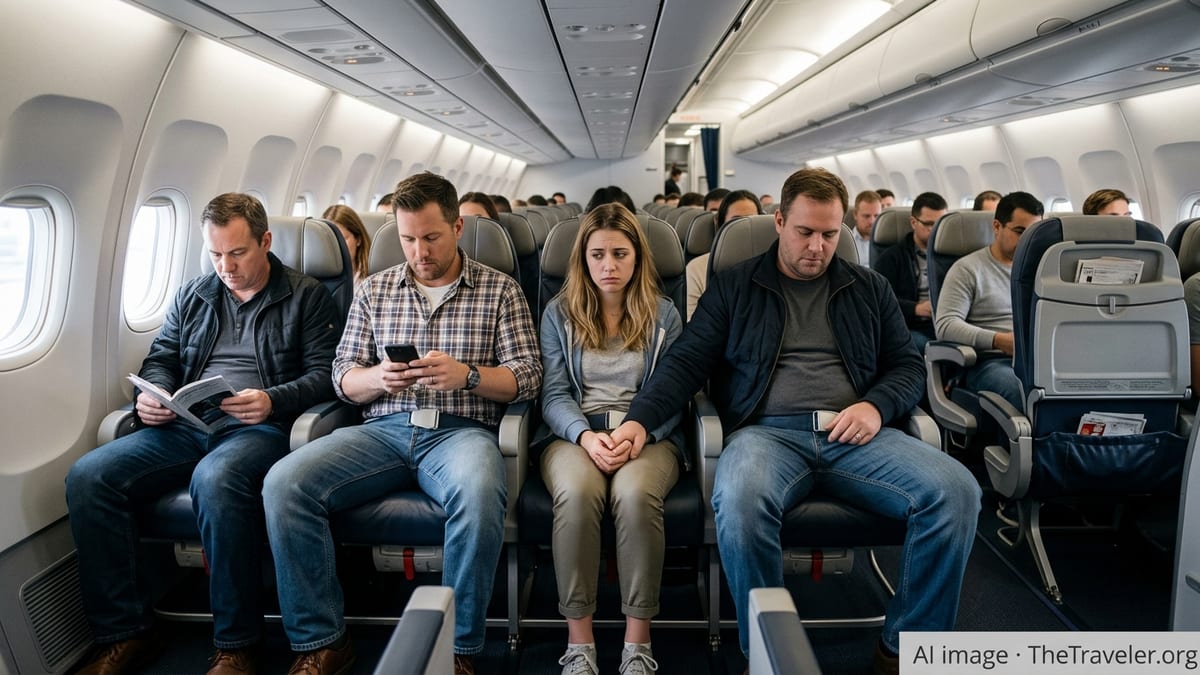
Social media posts and traveler forums over the past several days describe lengthy queues at San Juan’s check-in counters and security lanes during peak disruption periods. Some travelers report arriving at the airport several hours earlier than usual in anticipation of possible congestion, only to find screens flashing delays or gate changes shortly before boarding.
As departure times slide, terminal areas serving U.S.-bound flights become increasingly crowded, with families, business travelers, and tourists waiting out rolling delays. For passengers on low-cost carriers that operate with tighter margins and fewer spare aircraft, same-day rebooking options can be limited, heightening the sense of uncertainty when a flight is significantly delayed or canceled.
Travel industry coverage notes that this type of disruption can be particularly challenging at leisure-heavy airports like San Juan, where many travelers are returning from holidays and may have fixed work or school commitments waiting at home. In such situations, even a delay of several hours can translate into missed connections, additional hotel nights, or rearranged ground transportation at destination cities.
Complicating matters further, some passengers have highlighted the difficulty of navigating different airline policies on meals, accommodation, and compensation during irregular operations. While federal rules define what carriers must do in extreme circumstances, many aspects of customer care still depend on each airline’s own commitments and internal guidelines.
Broader Context of a Strained U.S. Aviation System
The difficulties seen in Puerto Rico are unfolding against a backdrop of wider stress in the U.S. aviation system this spring. Recent analyses of nationwide operations show elevated levels of delays and cancellations at several major hubs, driven by a mix of strong travel demand, weather disruptions, ongoing staffing challenges, and airspace constraints.
Industry reports reference pressure on air traffic control resources and periodic capacity reductions at busy airports, which can force carriers to hold or reroute flights, contributing to schedule instability throughout the day. When a morning or early afternoon wave of flights is disrupted, the resulting imbalance in aircraft and crew positioning can echo late into the evening.
San Juan’s role as a key Caribbean gateway means it is particularly vulnerable to these systemic issues. Many of its flights depend on aircraft and crews cycling in from U.S. hubs already operating near capacity, leaving little room to absorb unexpected delays or maintenance issues. As a result, a disruption that begins in cities like Miami or New York can result in passengers in Puerto Rico facing extended waits several hours later.
Travel commentators note that similar patterns of concentrated delays have recently been recorded at other medium-sized airports across the country, underlining that the challenges now go beyond any single airline or location and reflect broader strains on the aviation ecosystem.
What Travelers in and out of San Juan Can Do Now
With 93 delays and 6 cancellations already recorded across routes linked to Luis Muñoz Marín International Airport in this latest disruption cycle, travelers are being encouraged by publicly available advisories and consumer advocates to build extra time and flexibility into their plans. Monitoring flight status closely on airline apps and airport boards remains essential, particularly for those with onward connections in the United States.
Passengers scheduled to fly between San Juan and major hubs such as Miami, New York, and Orlando may benefit from checking for earlier or later departures on the same day, as airlines sometimes adjust capacity or add sections when disruptions accumulate. Those whose flights have been canceled outright can review alternative routings through other hubs, even if it requires longer itineraries, to avoid remaining stranded overnight.
Travel experts also stress the value of understanding each airline’s delay and cancellation policies before arriving at the airport. Knowing in advance what forms of assistance might be available, such as meal vouchers, hotel accommodations, or no-fee changes, can help passengers make quicker decisions when schedules shift.
While conditions remain fluid, the current situation in San Juan highlights how quickly local travel plans can be affected by operational challenges many hundreds of miles away. For now, travelers passing through Puerto Rico’s main gateway are likely to continue facing a less predictable experience than usual, as airlines and airports work to restore more stable timetables in the days ahead.