

More news on this day
Thousands of air travelers across northern and western Europe faced a fresh wave of disruption this week as SAS and Icelandair scrubbed 26 flights and delayed at least 34 more, snarling traffic through Oslo, Copenhagen, Stockholm, Reykjavik, London, Paris and several other cities at the outset of the busy spring travel period.
Get the latest news straight to your inbox!
Targeted Cancellations Hit Key Nordic and Transatlantic Routes
Publicly available flight-tracking data for the first week of April indicate that a cluster of SAS and Icelandair cancellations and delays has concentrated on core Nordic and transatlantic corridors linking Norway, Denmark, Sweden and Iceland with major hubs in the United Kingdom and France. The affected services include high-frequency business routes between Oslo, Copenhagen and Stockholm, as well as leisure and connecting flights to and from Reykjavik, London and Paris.
Within this broader pattern of European disruption, operational data show that the two carriers jointly canceled 26 departures and arrivals on a single day, while at least 34 additional flights operated with significant delays. The problems were most visible at Oslo Gardermoen and Copenhagen Kastrup, where SAS maintains major hubs, and at Reykjavik’s Keflavik Airport, Icelandair’s principal base for transatlantic connections.
The latest turmoil comes on top of a wider spike in cancellations and delays across Europe in early April, driven by a combination of severe weather, congested airspace and knock-on effects from earlier disruptions. Recent published tallies from aviation and travel outlets describe thousands of passengers left waiting for rebookings and overnight accommodation as airports from Scandinavia to southern Europe contend with tightly stretched schedules and limited spare capacity.
In this environment, even a relatively contained wave of 26 cancellations tied to two carriers reverberates quickly through the network. Missed connections at hubs such as Copenhagen and Reykjavik have already generated secondary delays and last-minute rebookings onto partner airlines, compounding the experience for travelers heading onward to destinations across Europe and North America.
Rising Fuel Costs and Weather Pressures Expose Fragile Schedules
While the immediate causes behind each individual SAS and Icelandair cancellation vary, analysts point to a broader context of financial and operational strain that has left European airlines more vulnerable to shocks. Over recent weeks, multiple industry and business reports have highlighted sharply higher jet fuel prices tied to geopolitical tensions in the Middle East, a trend that has prompted SAS to trim capacity in its upcoming schedules and warn of further adjustments if cost pressures persist.
At the same time, adverse weather conditions and airspace constraints have played a major role in disrupting traffic patterns across northern Europe. Coverage from regional news outlets and aviation trackers for April 5 and 6 details widespread delays and cancellations in Norway, Denmark, Sweden and neighboring countries, with thunderstorms, strong winds and rerouted traffic cited as key factors affecting punctuality.
These overlapping pressures have left airlines with less operational slack to recover when disruptions occur. Crews and aircraft are frequently operating at or near legal and logistical limits, meaning that a delay in one city can quickly cascade into a cancellation several sectors later. For hub carriers like SAS and Icelandair, which rely on carefully timed waves of departures and arrivals to feed connecting banks, the margin for error is particularly slim.
Industry observers note that this fragility is not unique to the Nordic region. Similar patterns of weather-related disruptions and resource constraints have been recorded recently at major hubs in the Netherlands, Germany, Italy and Spain, where published data show hundreds of delays and dozens of cancellations on peak days. The latest difficulties for SAS and Icelandair are therefore part of a continent-wide challenge as airlines balance cost control with the need for operational resilience.
Passengers Stranded in Oslo, Copenhagen, Stockholm and Beyond
The human impact of the latest wave of disruptions has been keenly felt at airports across Scandinavia and beyond. Reports from European travel outlets describe long queues forming at customer service desks in Oslo, Copenhagen and Stockholm as passengers on canceled SAS flights sought rebookings, meal vouchers and overnight accommodation. In Reykjavik, travelers on affected Icelandair departures faced similar frustrations as they scrambled to secure alternative connections to London, Paris and other onward destinations.
At London Heathrow and Paris Charles de Gaulle, where SAS and Icelandair operate a mix of point-to-point and connecting services, cancellations and delays translated into missed onward flights on partner and codeshare airlines. Some passengers arriving late from Scandinavia or Iceland reportedly encountered limited same-day rebooking options because of high load factors during the spring travel period, forcing unplanned overnight stays.
Travel and aviation monitoring sites indicate that the disruptions disproportionately hit early morning and late evening services, which are often used by business travelers and those connecting to long-haul flights. When a morning departure from a hub such as Copenhagen or Reykjavik is canceled, passengers may miss once-daily long-haul connections, leading to particularly lengthy delays in reaching their final destinations.
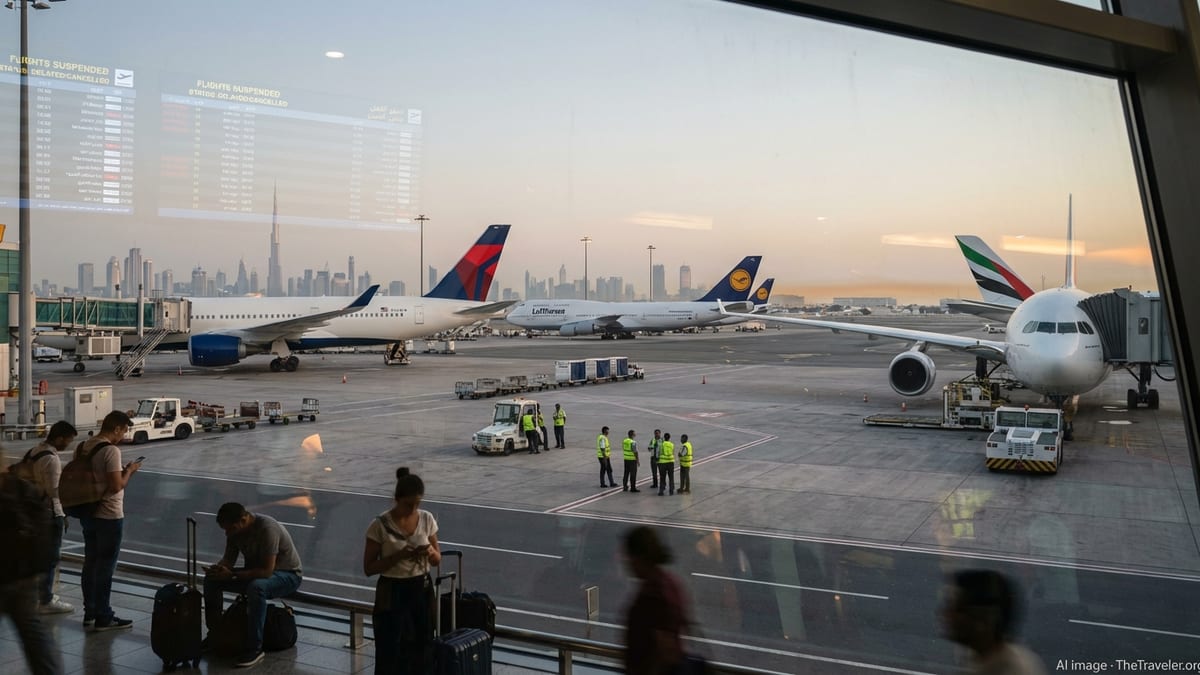
Across the affected airports, social media posts and local news coverage have highlighted scenes of crowded departure halls, families resting on luggage trolleys and departure boards filled with red and orange status markers. While these images are familiar from earlier episodes of European air travel disruption, the concentration of cancellations on specific Nordic and transatlantic routes has amplified the sense of regional strain at the start of what many had hoped would be a more stable travel season.
What Travelers Can Expect in the Coming Days
Publicly available scheduling information suggests that SAS and Icelandair are attempting to stabilize operations by selectively trimming rotations and consolidating lightly booked flights, rather than implementing broad sweeping cuts. Travel industry analysts indicate that this approach can help airlines preserve core connectivity while creating space in the schedule to absorb delays and reposition aircraft and crews more effectively.
Even so, passengers booked on near-term services through Oslo, Copenhagen, Stockholm, Reykjavik, London and Paris are being advised by consumer organizations and travel advisories to monitor their bookings closely. Airlines across Europe continue to adjust timetables on short notice in response to weather forecasts, air traffic control flow restrictions and aircraft availability, leaving little room for complacency among travelers with tight connections or time-sensitive plans.
Under EU and UK air passenger rules, customers on affected flights may be entitled to assistance, rerouting or refunds, and in some cases to additional monetary compensation depending on the cause and length of the disruption. Guidance published on airline and regulatory websites encourages passengers to retain boarding passes and receipts for out-of-pocket expenses such as meals, hotels and ground transport, as these documents can be critical when filing claims.
For now, the episode serves as another reminder that European air travel remains highly sensitive to a mix of external shocks and internal constraints. With SAS already signaling broader capacity reductions and other carriers facing similar cost and weather challenges, travelers planning spring and early summer trips through the region’s hubs may wish to build in extra time for connections and consider flexible booking options where possible.
Nordic Hubs Under Pressure as Summer Season Looms
The latest cancellations and delays involving SAS and Icelandair underscore the pivotal role that Nordic hubs play in Europe’s wider aviation network. Airports in Oslo, Copenhagen and Stockholm serve not only as gateways for local passengers but also as transfer points linking smaller regional cities to major destinations including London and Paris. Reykjavik, meanwhile, anchors a transatlantic corridor that has grown steadily in recent years as Icelandair positioned itself as a key connector between North America and Europe.
With the summer season approaching, these hubs are preparing for a surge in leisure traffic layered on top of already robust business and visiting friends-and-relatives demand. Published schedule data and recent airline announcements suggest that capacity on many Nordic and transatlantic routes will rise over the coming months, increasing the stakes for carriers seeking to keep operations running smoothly.
Aviation analysts caution that, unless fuel prices ease and weather patterns become more stable, airlines may face difficult trade-offs between maintaining extensive networks and building in the spare capacity needed to recover from disruptions quickly. Targeted cancellations like the 26 flights removed by SAS and Icelandair this week can be an early signal of such balancing efforts, as carriers try to protect the most critical connections while reducing exposure on marginal routes or off-peak frequencies.
For travelers, the situation highlights the value of real-time information and contingency planning. As long as Europe’s skies remain crowded and its airlines contend with volatile operating conditions, episodes of concentrated disruption at hubs from Oslo and Copenhagen to Reykjavik, London and Paris are likely to remain an unwelcome, if familiar, feature of the travel landscape.