

More news on this day
Latvia’s aviation sector is getting a fresh shot of momentum as Scandinavian Airlines returns to Riga with a new three-times-daily route to Copenhagen, restoring a crucial Scandinavian link that many in the Baltics see as part of the region’s travel identity.
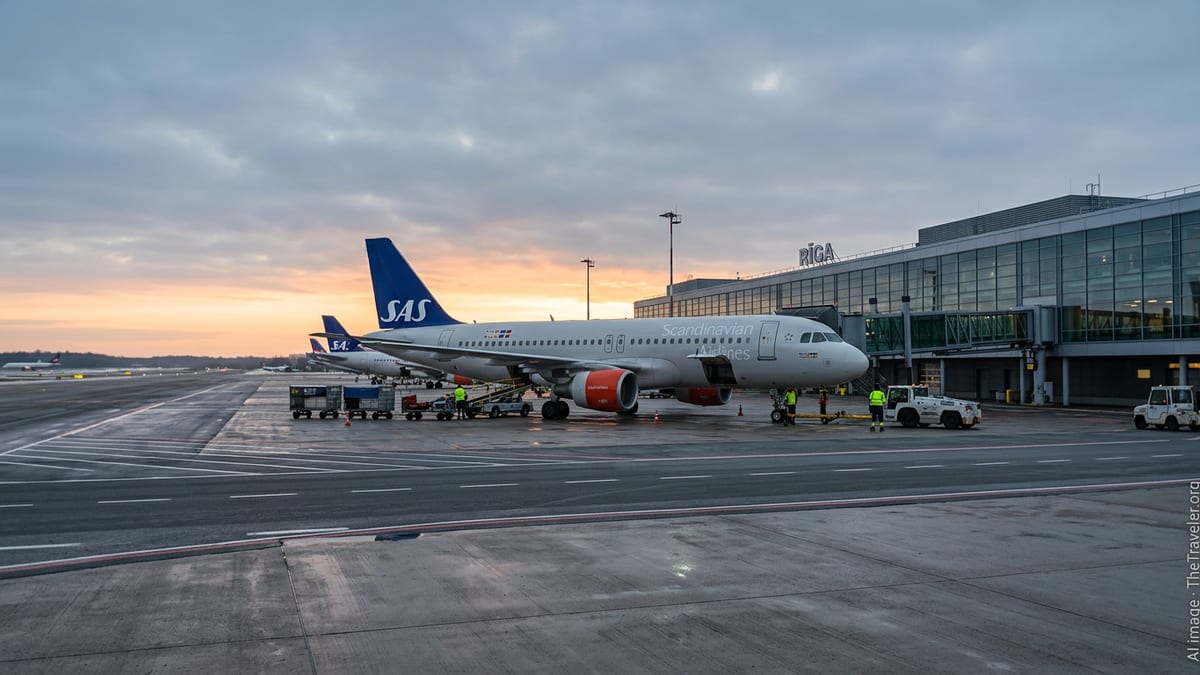
A Strategic Comeback for a Trusted Baltic Carrier
The launch of SAS flights on the Riga–Copenhagen route on March 8, 2026, marks the airline’s renewed commitment to Latvia after several years of absence from the country’s main gateway. Operating three times a day, the new schedule signals confidence in both business and leisure demand between the two capitals and beyond.
For Latvia, the move is more than a routine network adjustment. SAS has long been regarded as a bridge between the Baltics and the wider Nordic region, and its return restores an element of competitive balance at Riga International Airport at a time when traffic is rebounding and the market is diversifying beyond a single dominant carrier.
Airport officials describe the development as a milestone in Riga’s evolution from a regional hub into a serious player on the North European air travel map. Increased capacity to Scandinavia is seen as a key pillar of that strategy, anchoring the airport’s role as a crossroads between Western Europe, the Baltics and Northern markets.
Copenhagen Hub Reconnects Riga to Global Networks
The choice of Copenhagen as SAS’s comeback route is no coincidence. As one of Northern Europe’s leading hubs, Copenhagen Airport offers onward connections to more than 100 destinations across Europe, North America and Asia, making it a natural gateway for Latvian travelers looking beyond the region.
The three daily departures will allow for morning, midday and evening connectivity, creating smoother same-day links to long-haul flights operated by SAS and partner airlines. That pattern is especially attractive for corporate travelers heading to major business centers in Scandinavia, Germany, the United Kingdom and the United States.
Tourism stakeholders in Latvia also expect the Copenhagen link to draw more visitors from Denmark, Sweden and Norway, who traditionally view Riga as an accessible short-break destination. The added frequencies and the familiarity of the SAS brand could encourage more weekend city trips and Baltic itineraries that combine Riga with coastal and countryside escapes.
Restoring the Heartbeat of Baltic Business Travel
In the years since the pandemic, Latvia’s business community has pushed for denser and more reliable connectivity to major European hubs, arguing that such links are critical for attracting investment and talent. SAS’s decision to base three daily rotations on the Riga–Copenhagen corridor is being interpreted as a direct response to that demand.
Executives in sectors ranging from finance and technology to logistics and manufacturing rely on fast, predictable access to Nordic partners. With SAS back in the market, corporate travelers gain a familiar loyalty program, premium cabins and schedule depth that can support day-return trips and multi-city itineraries anchored in Copenhagen.
The timing also aligns with broader regional ambitions. Baltic governments have been vocal about strengthening cross-border integration in transport and energy, while large infrastructure projects such as Rail Baltica advance in the background. Improved air links to a major Scandinavian hub complement that push by shortening effective distances between Baltic capitals and key decision-making centers in Northern Europe.
Increased Competition and New Choices for Passengers
The re-entry of SAS on the Riga–Copenhagen route introduces fresh competition on one of Riga Airport’s busiest corridors. Travelers can expect a wider spread of departure times, more fare options and a mix of full-service and hybrid offerings alongside existing capacity from other carriers.
Consumer advocates note that additional seats on a popular route can help keep prices in check while raising overall service standards. Frequent flyers in particular stand to benefit from the return of a well-known Scandinavian brand, with the ability to earn and redeem points, access priority services and connect smoothly onto regional flights throughout the Nordics.
The move also reflects a wider reshaping of the European airline landscape, in which legacy carriers are selectively rebuilding regional networks to feed long-haul operations. For SAS, Riga is one of several strategic additions designed to funnel passengers into its Copenhagen hub, supporting intercontinental routes to North America and Asia as traffic patterns normalize.
Symbolic Lift for Latvia’s Post-Disruption Recovery
SAS’s comeback carries symbolic weight for a country still recalibrating its transport links following years of geopolitical and economic disruption. With direct passenger services to Russia and Belarus now largely off the map, Latvia has been redirecting its connectivity towards trusted partners in the European Union and the wider Nordic region.
By reinforcing Riga’s ties with Copenhagen, SAS is helping to plug some of the connectivity gaps created by earlier route closures, while aligning with Latvia’s broader shift toward Western and Northern markets. Aviation analysts say such moves are essential if Riga is to maintain its role as a hub for the wider Baltic region rather than simply serving as a spoke on other carriers’ networks.
For travelers, the immediate impact will be tangible: more flights, more flexibility and a familiar blue SAS tail once again parked at Riga’s gates. For Latvia, the airline’s return is being welcomed as a sign that the country’s aviation sector has regained enough strength and stability to attract back a legendary partner and restore a vital rhythm to Baltic travel.