

More news on this day
Scandinavian Airlines is elevating its onboard digital experience through a new partnership with telecom operator 3, aiming to bring high-speed, smartphone-like connectivity to passengers across its fleet in the coming years.
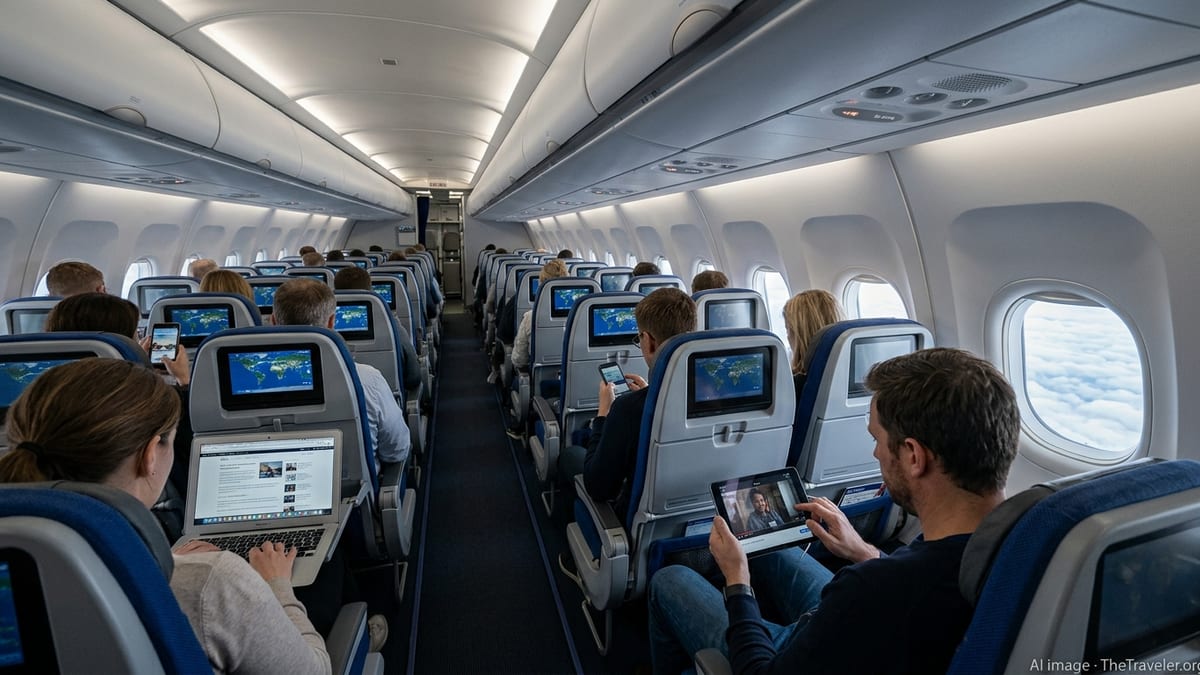
A New Chapter in Nordic In-Flight Connectivity
The collaboration between SAS and 3 is positioned as a significant step in reshaping how travelers stay connected in the air on routes across Scandinavia and beyond. Public information about the agreement indicates that the two companies plan to combine 3’s mobile and data expertise with SAS’s evolving cabin connectivity strategy to deliver faster, more consistent internet access at cruising altitude.
While SAS has long been part of the broader in-flight connectivity market through existing satellite partnerships, the addition of 3 is expected to tighten the link between ground and airborne networks. Industry coverage suggests that the deal will enable more seamless integration between passengers’ own mobile subscriptions and the in-flight service, helping remove friction that often comes with captive Wi-Fi portals and patchy performance.
The move comes as connectivity rapidly shifts from a premium add-on to an essential part of the travel experience. Surveys across major markets consistently show that reliable in-flight Wi-Fi influences airline choice, particularly for business travelers and younger passengers who expect to stream, work and communicate in real time while flying.
High-Speed Wi-Fi Designed for Streaming and Remote Work
According to available disclosures, the SAS and 3 partnership is focused on delivering bandwidth that supports demanding use cases such as high-definition video streaming, cloud-based productivity tools and real-time messaging. The ambition aligns with a wider industry trend in which airlines seek to move beyond basic browsing to an experience that mirrors home or office connectivity.
Technical details of the deployment, including specific hardware and spectrum use, have not been comprehensively outlined in public documents. However, reports indicate that the solution will make use of advanced mobile and satellite backhaul, optimized for aircraft environments to handle large numbers of concurrent users without sharp drops in speed during peak times.
The initiative is also expected to support multiple devices per passenger, reflecting the reality that many travelers now carry a smartphone, tablet and laptop when they fly. By increasing overall capacity, the SAS and 3 solution is intended to minimize congestion that previously forced airlines to throttle speeds or restrict certain high-bandwidth activities.
Fleet-Wide Rollout and Integration with SAS Digital Services
Industry reporting suggests that the high-speed connectivity service will be phased in across SAS aircraft over several years, with priority likely given to key routes in and out of Copenhagen, Oslo and Stockholm. A staged rollout allows the airline and its technology partners to refine the onboard configuration, monitor performance in different operating conditions and adjust coverage on routes with the highest demand.
The new connectivity capability is expected to be closely tied to SAS’s digital platform, including its mobile app, EuroBonus loyalty program and onboard entertainment environment. Analysts note that this type of integration can unlock new features such as real-time rebooking assistance, tailored destination content, and more dynamic onboard retail and food and beverage ordering.
For frequent travelers, the partnership may translate into a more predictable online experience regardless of aircraft type. As SAS continues broader fleet renewal and modernization initiatives, aligning connectivity standards across narrowbody and widebody jets is seen as a way to strengthen the airline’s brand in an increasingly competitive European market.
Competitive Pressure in the European Connectivity Race
The agreement between SAS and 3 arrives amid a rapid escalation in European airline investments in connectivity. Major groups across the continent have announced or expanded partnerships with satellite and telecom providers to deliver high-speed Wi-Fi on hundreds of aircraft, reflecting a shared view that in-flight connectivity can be a differentiator as well as a source of ancillary revenue.
Within this context, industry observers view SAS’s move as both defensive and ambitious. On one hand, it helps keep pace with carriers that are racing to offer fast, sometimes free, Wi-Fi on key routes. On the other, partnering with a prominent Nordic telecom operator could give SAS a regional edge, particularly if passengers can use familiar mobile plans, billing relationships or authentication methods when they connect on board.
The Scandinavian market is known for high smartphone penetration, strong digital adoption and consumers who are quick to embrace new online services. Analysts suggest that these characteristics make the region a natural testbed for advanced in-flight connectivity offerings that blend telecom capabilities with airline operations.
Implications for Passengers and the Future of Connected Travel
For passengers, the most immediate impact of the SAS and 3 partnership is expected to be a smoother, faster and more reliable online experience at cruising altitude. Travelers on both business and leisure trips increasingly expect to be able to join video calls, collaborate in shared documents, stream entertainment and stay active on social platforms without worrying about connection drops.
The collaboration also points toward a future in which the boundary between ground and air networks continues to blur. As airlines and telecom providers work more closely together, specialists in the sector anticipate innovations such as more personalized digital services, expanded use of real-time operational data and new ways to bundle connectivity with fares or loyalty benefits.
At the same time, connectivity projects remain complex undertakings that depend on aircraft modification schedules, regulatory approvals and coordination with satellite and ground network operators. The pace at which SAS and 3 can extend the service across the fleet will be closely watched by travelers and competitors alike, as high-speed in-flight Wi-Fi shifts from a differentiating feature to an expected part of modern air travel.