

Saudi Arabia’s aviation network is changing fast, with upgraded terminals, new routes and entirely new airports reshaping how travelers move through the Kingdom. Whether you are flying in for pilgrimage, business or a Red Sea holiday, understanding how Riyadh, Jeddah, Dammam and emerging regional hubs are organized can save you time, confusion and stress on the ground. This guide brings together the latest developments and practical tips to help you navigate Saudi airports with confidence.
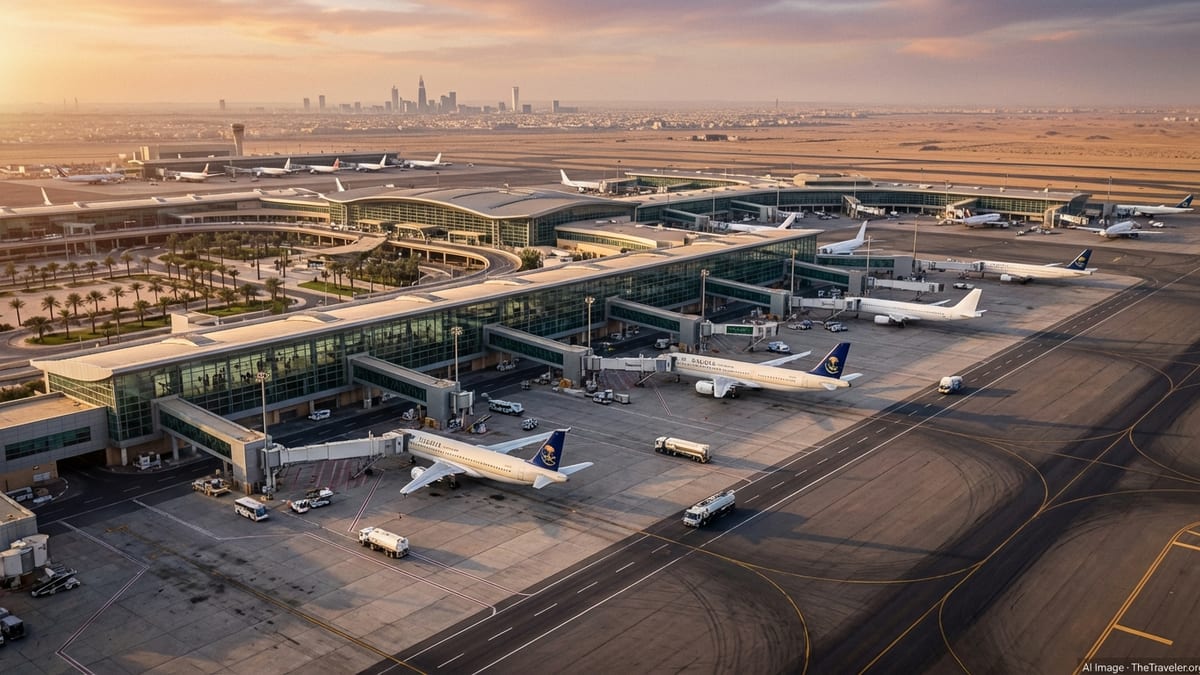
Saudi Arabia’s Airport Network at a Glance
Saudi Arabia sits at the crossroads of Europe, Asia and Africa, and its airport network is being redesigned to match that strategic position. The three main international gateways are Riyadh’s King Khalid International Airport, Jeddah’s King Abdulaziz International Airport and Dammam’s King Fahd International Airport. Around them, a growing constellation of regional and niche airports supports domestic traffic, religious tourism and new coastal resorts along the Red Sea.
The government’s Vision 2030 program treats aviation as a core tool to diversify the economy and attract visitors. That means heavy investment in modern terminals, better transfer facilities and digital services. For travelers, the result is a system in transition: many facilities are new or recently renovated, but procedures and terminal layouts might not match older guidebooks or past experience. Checking terminal assignments close to your travel date and allowing a buffer for wayfinding is more important than ever.
Alongside the existing gateways, entirely new projects are under construction. King Salman International Airport in Riyadh is planned as one of the largest airports in the world by 2030, connected to and wrapped around today’s King Khalid complex. On the Red Sea coast, purpose built airports are being created to serve luxury destinations and regenerative tourism projects, reshaping how visitors access Saudi Arabia’s western seaboard.
Against this rapidly evolving backdrop, each major airport still has a distinct role. Riyadh is the political and business hub, Jeddah is the main access point for pilgrimage to Mecca and Medina, and Dammam anchors the oil rich Eastern Province. Understanding how each airport works in practice will help you plan smoother arrivals, departures and connections.
King Khalid International Airport, Riyadh
Riyadh’s King Khalid International Airport sits about 35 kilometers north of the city center and is the main gateway for business travelers and government delegations. In recent years it has undergone one of the largest operational reshuffles in its history, with terminals renovated, reassigned and consolidated to support a growing mix of domestic and international passengers. The airport is the principal hub for Saudia and a key base for low cost carriers such as flynas and flyadeal, with more foreign airlines shifting into dedicated facilities as capacity grows.
By early 2026 the airport completed a major terminal reallocation, designed to push annual capacity toward the mid tens of millions of passengers. In broad terms, Terminals 1 and 2 are being positioned for international flights by Saudi Arabia’s national carriers, Terminals 3 and 4 focus on domestic traffic, and Terminal 5 is emerging as the main base for foreign airlines’ international operations. This structure gives clearer separation between domestic and international flows, making connecting itineraries easier to design and signpost.
Much of the recent attention has focused on Terminal 1, which has been extensively modernized as part of a wider international terminal upgrade. The renovation expanded operational space, refreshed interior design to current global standards and introduced more advanced baggage and passenger handling systems. Industry recognition has followed, with Terminal 1 earning international awards for its design and passenger comfort. Construction is also underway on a new concourse to further expand capacity in the coming years, signalling that Riyadh expects sustained growth in traveler numbers.
For passengers in transit, the key is to confirm exactly which terminal your airline is using around your travel dates. During and shortly after major reallocation periods, two flights on the same route can depart from different terminals just days apart. Allow extra time to navigate between terminals by shuttle or landside transport if you have self arranged connections or need to change carriers. Within the terminals, signage has improved and new retail and dining options are opening, but the airport can still feel busy during peak evening and night time bank periods when long haul flights arrive and depart.
King Abdulaziz International Airport, Jeddah
King Abdulaziz International Airport in Jeddah has a dual identity. It is both a busy commercial gateway for Saudi Arabia’s second city and the primary aviation hub for Hajj and Umrah pilgrims heading to the holy cities of Mecca and Medina. The airport lies to the north of Jeddah’s urban area and shares its airfield with a military base and royal facilities, so the civil terminals occupy one side of a larger complex.
The heart of the modern passenger experience in Jeddah is Terminal 1, a vast, relatively new facility that handles most regular international services and a growing share of domestic flights. Airlines have been progressively moved into this terminal, which offers upgraded check in halls, security and immigration zones, and a broad range of shops and restaurants. Some international flights operated by non Saudi carriers still use the separate North Terminal, and it is important to note that these terminals are not connected airside. Any transfer between them involves exiting into Saudi Arabia, clearing immigration and customs, and then checking in again.
Jeddah is unique in having a dedicated Hajj and Umrah Terminal, designed from the ground up to manage the huge seasonal influx of pilgrims. The terminal uses a tent like roof structure that allows for natural ventilation and flexible space, and it can accommodate large numbers of chartered and scheduled flights during the pilgrimage season. During peak Hajj periods, many flights that would normally use other terminals are routed through this facility to streamline processing for groups and to keep the main terminal from becoming overwhelmed.
Another important feature for pilgrims and general travelers alike is the direct rail connection. Jeddah’s airport is linked to the Haramain High Speed Railway network by a dedicated station, providing fast journeys to Mecca, Medina and the King Abdullah Economic City. For many visitors this removes the need for long highway transfers immediately after landing, although bus and car services remain widely available. As with other Saudi airports, it is wise to reconfirm terminal and transport arrangements during the run up to Hajj, when special procedures and operating patterns can apply.
King Fahd International Airport, Dammam
King Fahd International Airport serves Dammam and the wider Eastern Province, home to much of Saudi Arabia’s energy industry. Located around 40 to 50 kilometers from downtown Dammam and the neighboring cities of Dhahran and Khobar, it is set amid open desert and connected by major highways. The airport is notable for its large land area and relatively spacious layout, with long approach roads and an elevated terminal complex.
The main passenger terminal handles both domestic and international flights, including services operated by Saudia, flynas, flyadeal and a selection of foreign carriers linking Dammam to destinations across the Gulf, South Asia and beyond. In recent years, the airport has seen steady growth in both passenger and cargo traffic as the Eastern Province economy diversifies. Much of the development has focused on improving baggage handling, security screening and passenger amenities rather than complete terminal rebuilds, so the experience can feel more functional and less architecturally dramatic than in Riyadh or Jeddah.
For travelers, one of the most important aspects of Dammam is ground transport planning. Public transport remains limited, so most passengers rely on taxis, ride hailing apps, hotel shuttles or private transfers to reach the cities along the Gulf coast. Journey times can stretch during peak commuting hours on weekdays, so adding a buffer for traffic is recommended, especially for early morning or late evening departures when check in and security can also be busy.
Within the terminal, services continue to evolve. Travelers can expect a growing mix of cafés, casual dining and retail outlets, alongside prayer rooms and family facilities that reflect local travel patterns where whole households may move together. Because the airport handles a wide range of short and medium haul flights rather than large numbers of long haul connections, peak times often align with regional business and commuting patterns rather than the overnight bank of intercontinental services typical of some Gulf hubs.
New Mega Projects and Red Sea Gateways
The story of Saudi aviation in the late 2020s is not only about upgrading existing airports, but also about building entirely new ones. Chief among these is King Salman International Airport in Riyadh, which is planned to integrate with and eventually overshadow the current King Khalid complex. The new airport, under construction, is intended to become one of the largest in the world by 2030, with multiple runways, several terminal clusters and broad zones dedicated to retail, residential and commercial developments.
The design vision emphasizes sustainability and passenger experience, with features such as green corridors, advanced climate control and smoother flows between landside and airside areas. For travelers, the long term implication is that Riyadh will be able to support many more transfer passengers and direct point to point routes, connecting secondary cities in Europe, Africa and Asia through a central Saudi hub. In the meantime, construction of King Salman International is taking place alongside continuing improvements at King Khalid, so visitors will see evidence of expansion for years to come.
On the Red Sea coast, new airports are being developed to serve high end tourism destinations that form part of Saudi Arabia’s push to attract international leisure visitors. Red Sea International Airport in the Tabuk region has begun limited operations, handling select flights from Riyadh and Jeddah while its terminal and surrounding infrastructure continue to be built out. The airport is designed to blend with the coastal landscape and to act as a gateway to island resorts that emphasize environmental restoration and low impact tourism.
Further south, a cluster of aviation facilities including water aerodromes for seaplanes is emerging to support island based resorts. These smaller but sophisticated terminals are not intended as mass market gateways, but they illustrate how Saudi Arabia is diversifying its aviation network beyond traditional land based airports. For travelers heading to these destinations, flights are often packaged with resort stays, and transfer arrangements are typically handled directly by hotel operators, simplifying the journey even as the underlying infrastructure becomes more complex.
Regional and Secondary Airports Across the Kingdom
Beyond the big three gateways, Saudi Arabia operates a wide network of regional and secondary airports that knit together its vast territory. Cities such as Medina, Abha, Jazan, Taif, Qassim, Tabuk and Najran all have airports handling regular domestic flights and varying degrees of international service. Some of these airports also play a seasonal role in pilgrimage traffic, with additional charter and scheduled flights operating around Hajj and Umrah periods to ease pressure on Jeddah.
Recent years have seen particular attention given to what officials describe as airport clusters, where groups of regional airports are managed and developed together. This has led to new routes linking provincial cities directly to destinations in neighboring countries, rather than forcing all passengers through Riyadh or Jeddah. It has also spurred investment in security, firefighting capability and passenger services, as regional airports compete for recognition awards and seek to attract both airlines and travelers.
For visitors, regional airports can offer a calmer, more manageable experience than the major hubs, with shorter walking distances and simpler terminal layouts. However, facilities may be more limited, particularly in terms of lounges, international dining brands and public transport links. Many passengers arrive by private car or bus, and during peak seasonal operations queues at immigration and security can still become long. Checking whether your airline operates year round or seasonal flights, and confirming baggage transfer rules if you are combining domestic and international tickets on separate reservations, is wise.
In pilgrimage and holiday seasons, some regional airports are temporarily transformed by waves of charter flights, special check in setups and additional ground staff. While authorities have become more experienced at handling these surges, travelers should anticipate a busier and more improvised atmosphere at smaller airports during those times compared with the quieter months of the year.
Passenger Experience, Services and Accessibility
Across Saudi Arabia’s main airports, the overarching trend is toward a more polished, globally competitive passenger experience. Renovated terminals in Riyadh and Jeddah now feature higher ceilings, more natural light and a broader array of seating areas, often including quiet zones and family sections. Retail and food offerings have expanded to include international brands alongside local cafés and restaurants, reflecting the growing mix of domestic and foreign travelers.
Digitalization is a key focus. Many airlines and airports encourage use of mobile boarding passes, self service check in kiosks and automated baggage drop counters, particularly for domestic routes. Security screening and immigration are gradually integrating biometric systems and e gates, although traditional staffed counters remain in use and can be more common for foreign passport holders. Travelers should be prepared to use both digital and paper documents, depending on the exact setup at each terminal and the nationality of the passenger.
For passengers with reduced mobility or specific accessibility needs, assistance services are available at the major airports, but the visibility and consistency of these services can vary. It is important to inform your airline in advance and to reconfirm upon arrival at the airport so that wheelchair support or escort services can be arranged from check in through to the gate or arrivals hall. Newer terminals tend to have more accessible restroom facilities, elevators and ramps, but older areas may still involve longer walks and occasional bottlenecks at lifts.
Religious and cultural considerations also shape the passenger experience. Prayer rooms are widely available in both landside and airside areas, often with separate spaces for men and women. Family travel is common, especially on domestic routes, so play areas and family friendly rest zones are increasingly prominent. Dress codes are relatively relaxed by international standards within the terminal, but respecting local customs and maintaining modest attire remains advisable, particularly when arriving from or heading to pilgrimage sites.
The Takeaway
Saudi Arabia’s airports are in the midst of one of the most ambitious overhauls of any aviation network in the world. For travelers, this brings both benefits and a need for extra awareness. Modernized terminals in Riyadh and Jeddah, improved regional airports and new Red Sea gateways are raising comfort levels and expanding route options, while mega projects such as King Salman International Airport signal that the Kingdom intends to become a major global hub by the next decade.
At the same time, the scale and pace of change mean that terminal assignments, ground transport links and even available amenities can shift from one season to the next. The most reliable strategy is to stay informed close to your departure date, build generous time buffers into connections, and pay particular attention when traveling during Hajj and Umrah or when using smaller regional airports. With a bit of preparation, Saudi Arabia’s evolving airport system can be navigated smoothly, opening up access to business centers, holy sites and coastal resorts across the country.
Whether you are passing briefly through Riyadh on a long haul connection, arriving in Jeddah for pilgrimage, flying to Dammam on business or heading to a Red Sea island retreat, understanding how the main hubs fit together will make your journey easier. As infrastructure continues to expand and mature, today’s early adopters are getting a first look at an airport network that is being designed to play on the global stage for decades to come.
FAQ
Q1. Which airport should I fly into for Hajj or Umrah?
The primary gateway for Hajj and Umrah is Jeddah’s King Abdulaziz International Airport, which has a dedicated Hajj and Umrah Terminal. Some pilgrims also arrive via Medina or selected regional airports, but most organized groups and many individual travelers still use Jeddah because of its capacity and proximity to Mecca.
Q2. How early should I arrive at Riyadh’s King Khalid International Airport before my flight?
For international flights from Riyadh, arriving around three hours before departure is a sensible guideline, and a bit earlier during peak holiday or pilgrimage periods. For domestic flights, two hours is usually sufficient, though early morning and late evening banks can be busy, so allowing extra time reduces stress if queues build at security or check in.
Q3. Are the terminals at Jeddah’s airport connected airside?
No. Jeddah’s main Terminal 1, the North Terminal and the Hajj and Umrah Terminal are not linked airside in a way that allows you to transfer without entering the country. Any change of terminal requires clearing immigration and customs, collecting baggage if necessary, and then checking in again at the new terminal, so plan connections accordingly.
Q4. What is the best way to get from Dammam’s King Fahd International Airport to the city?
Most travelers use taxis, ride hailing services or private transfers, as public transport options remain limited. Journey times to Dammam, Dhahran or Khobar can range from about 30 minutes to more than an hour depending on traffic. Booking a transfer in advance or using a reputable on demand service at the arrivals curb is recommended, especially at night.
Q5. Is there a high speed train from Jeddah airport to Mecca and Medina?
Yes. Jeddah’s airport is connected to the Haramain High Speed Railway via a dedicated station, with services running to Mecca, Medina and intermediate stops. Trains are fast and comfortable, but schedules and seat availability can vary by season, so it is wise to check timings and book tickets ahead of peak pilgrimage and holiday periods.
Q6. How are foreign airlines handled at Riyadh’s airport after the recent changes?
Riyadh’s terminal reallocation plan places most foreign carriers in Terminal 5 for their international flights, giving them a more unified base. However, because changes have been phased in stages, passengers should always verify their terminal on the airline’s latest travel information or boarding pass, particularly around transition dates when some services may still be moving.
Q7. Are Saudi airports suitable for passengers with reduced mobility?
Major airports such as Riyadh, Jeddah and Dammam provide assistance services for passengers with reduced mobility, including wheelchair support and priority boarding. Newer and renovated terminals generally have better accessibility features, but it is important to request assistance through your airline in advance and reconfirm upon arrival at the airport so that staff can be ready to help.
Q8. Can I easily connect between domestic and international flights within Saudi Arabia?
Connections are increasingly straightforward at the major hubs, especially in Riyadh where terminals are being organized by airline and route type. If both flights are on the same ticket and airline, your baggage is usually checked through. If you are using separate tickets or changing airlines, allow extra time in case you need to collect and recheck baggage or move between terminals.
Q9. What should I expect during Hajj season at Saudi airports?
During Hajj, airports like Jeddah, Medina and several regional hubs operate around the clock with special procedures for pilgrim groups. You can expect additional staff, temporary check in setups, and denser crowds, as well as more frequent charter and scheduled flights. Even if you are not traveling for pilgrimage, it is wise to anticipate longer processing times and to arrive early.
Q10. How fast is Saudi Arabia’s airport network likely to change in the next few years?
Change is likely to be rapid. Major expansion projects in Riyadh, new airports on the Red Sea and upgrades across regional hubs are all scheduled through the remainder of the decade. Travelers should treat any printed guide or past experience as a starting point and always confirm current terminal assignments, ground transport options and procedures close to their travel date.