

More news on this day
Saudi Arabia is moving to shield stranded visitors from the worst effects of the Middle East’s latest travel turmoil, extending expired visas and promoting emergency helplines as regional conflict chokes airspace and grounds flights across several countries.
Get the latest news straight to your inbox!
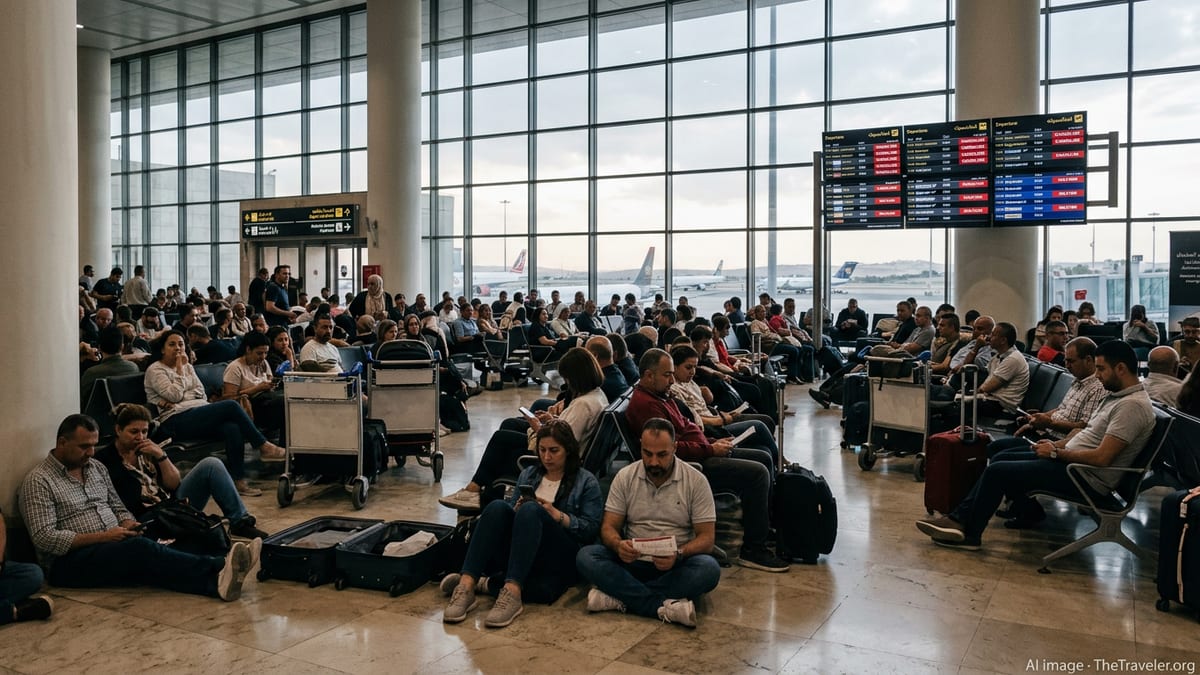
Visa Extensions Offer Lifeline to Visitors Trapped by Flight Disruptions
Publicly available information from regional media and community platforms indicates that Saudi Arabia has introduced temporary measures to protect visitors whose visas have lapsed during the current wave of flight cancellations and airspace closures. Reports describe an exceptional extension covering multiple visa categories for people who were unable to leave the kingdom once commercial routes were abruptly cut.
Coverage in local and expatriate-focused outlets notes that the policy applies to a broad range of short-stay permits, including tourist, Umrah, transit and visit visas, as well as some exit permits. Travelers whose documents expired while they were already in the country are being allowed to regularize their status or depart without facing the usual penalties, provided they match specific criteria linked to the timing of the regional escalation.
According to these reports, the extension framework is designed to prevent visitors from becoming immigration violators purely because outbound flights have been cancelled or rerouted. By pausing visa deadlines in this way, authorities aim to remove the immediate fear of fines or entry bans that often confront travelers caught in conflict-related disruptions.
Travel industry observers say the move places Saudi Arabia among a group of regional hubs that have adjusted entry and overstay rules in response to the conflict. For passengers using the kingdom as a transit point, or those on religious and business trips, the visa reprieve is emerging as one of the few pieces of good news amid a volatile travel landscape.
New Support Channels and Helplines for Expired Visas
Alongside the extraordinary visa extensions, Saudi Arabia is highlighting a network of support channels intended to help travelers whose documents have expired or are at risk of lapsing while routes remain uncertain. Official guidance points visitors first to the kingdom’s digital platforms, where sponsors and hosts can submit requests to extend or regularize visas that expired during the disruption.
Travel and expatriate advisories explain that these requests are typically filed through established interior ministry e-services, where users upload copies of passports, visa details and evidence of disrupted flights. In practice, this has become a de facto helpline system for stranded travelers, allowing them to seek clarification and relief without immediately visiting a government office in person.
In parallel, long-standing national hotlines for passport and residency issues are being cited in travel guidance as the primary direct-contact route for people facing urgent visa problems. Public information compiled by consular services, travel advisories and local emergency guides lists dedicated telephone numbers for the General Directorate of Passports, alongside the country’s main police, ambulance and unified emergency lines.
Foreign embassies have also circulated their own 24-hour helplines for citizens in Saudi Arabia, referencing the domestic emergency numbers and advising travelers to document cancelled tickets and closed airspace notices when seeking assistance on overstays or exit permits. This mix of local and consular contact points now functions as a layered safety net for visitors whose stays have unexpectedly stretched far beyond their original plans.
Pilgrims and Regional Travelers Caught in the Middle East Conflict
The latest round of regional conflict has had an outsized impact on Saudi Arabia’s role as an air travel hub and religious destination. Reporting from international news agencies describes tens of thousands of airline passengers stranded across the Gulf, with many choosing to travel overland into Saudi Arabia to access the limited flights still operating from major airports.
At the same time, separate coverage focusing on Muslim pilgrims highlights the scale of disruption for those performing the Umrah in Mecca and Medina. Some national authorities, particularly in large Muslim-majority countries, have disclosed that many of their citizens remain in Saudi Arabia beyond their scheduled return dates, with negotiations under way to adjust flight schedules and ease the cost burden of extended hotel stays.
The combination of grounded aircraft, rerouted air corridors and security warnings has created a complex puzzle for travelers whose visas were issued for tightly defined periods. For pilgrims and short-stay visitors, even a few extra days in the kingdom can technically push them into overstay territory, underscoring why the new visa extensions and helpline routes have quickly become critical tools.
Regional travel analysts suggest that Saudi Arabia’s measures also reflect the kingdom’s sensitivity to its image as a custodian of key religious sites and a growing tourism destination. By lowering the immediate legal risk for stranded guests and offering structured channels for assistance, the country is attempting to balance security concerns with the humanitarian realities of large-scale travel disruption.
Practical Guidance for Stranded Travelers in the Kingdom
For visitors currently in Saudi Arabia, publicly available advisories from foreign ministries and expatriate organizations emphasize a few practical steps while the visa extension and support policies remain in place. Travelers are being urged to keep copies of their original return tickets, airline cancellation notices and any messages regarding closed or restricted airspace, as this documentation can help demonstrate that an overstay is linked to factors beyond their control.
Consular guidance further recommends that stranded travelers register with their home country’s travel enrollment systems where available, respond promptly to embassy alerts and stay in close contact with airlines about rebooked flights or alternative routes. In many cases, national missions are directing their citizens to Saudi emergency numbers for medical, police or passport issues, and to the new or expanded visa support channels for questions about overstays and exit permits.
Specialists in Gulf travel note that visitors should avoid attempting to leave Saudi Arabia through land borders or alternative airports without confirming the validity of their visas and the latest exit rules. While the kingdom’s temporary measures are designed to relax penalties, they remain framed by clear eligibility conditions, and decisions on individual cases can depend on verified records of disrupted journeys.
For now, the evolving framework of visa leniency, digital support services and emergency helplines is providing a measure of predictability in an otherwise volatile situation. How long these extraordinary provisions remain in effect will depend on developments in the wider regional conflict and the pace at which commercial air travel can safely resume its normal patterns.
Saudi Arabia’s Broader Role as a Regional Safe Transit Point
The crisis is also reshaping perceptions of Saudi Arabia’s place in the regional travel network. As some neighboring hubs temporarily reduced operations or restricted flights, published coverage shows that travelers and charter operators increasingly looked to Saudi airports, particularly in Riyadh and Jeddah, as alternative gateways out of the conflict-affected zone.
This shift has placed additional pressure on the kingdom’s aviation and border management systems, but it has also highlighted the strategic value of maintaining clear and traveler-friendly immigration policies during crises. Analysts of Gulf aviation trends suggest that the combination of visa flexibility and visible support mechanisms could strengthen Saudi Arabia’s position as a reliable transit and tourism center once regional skies stabilize.
Travel-sector commentary indicates that inbound demand for both religious and leisure trips is unlikely to disappear, even amid heightened security tensions. Instead, potential visitors are watching closely to see how countries respond to stranded passengers, flight cancellations and visa complications. In this context, Saudi Arabia’s decision to extend visa validity and promote dedicated support channels for expired documents is emerging as an important test of its long-term ambitions in global tourism.
For travelers still waiting for a way home, the policies now in place do not eliminate the stress of uncertainty or the financial strain of prolonged stays. Yet they do offer critical breathing space, reducing the risk that a temporary crisis will result in long-term travel bans or legal difficulties for those who happened to be in the wrong place at the wrong time.