

More news on this day
Saudi Arabia has introduced a temporary grace period on certain visas and adjusted exit procedures in an effort to shield travelers from overstay fines as flight cancellations and airspace closures ripple across the region.
Get the latest news straight to your inbox!
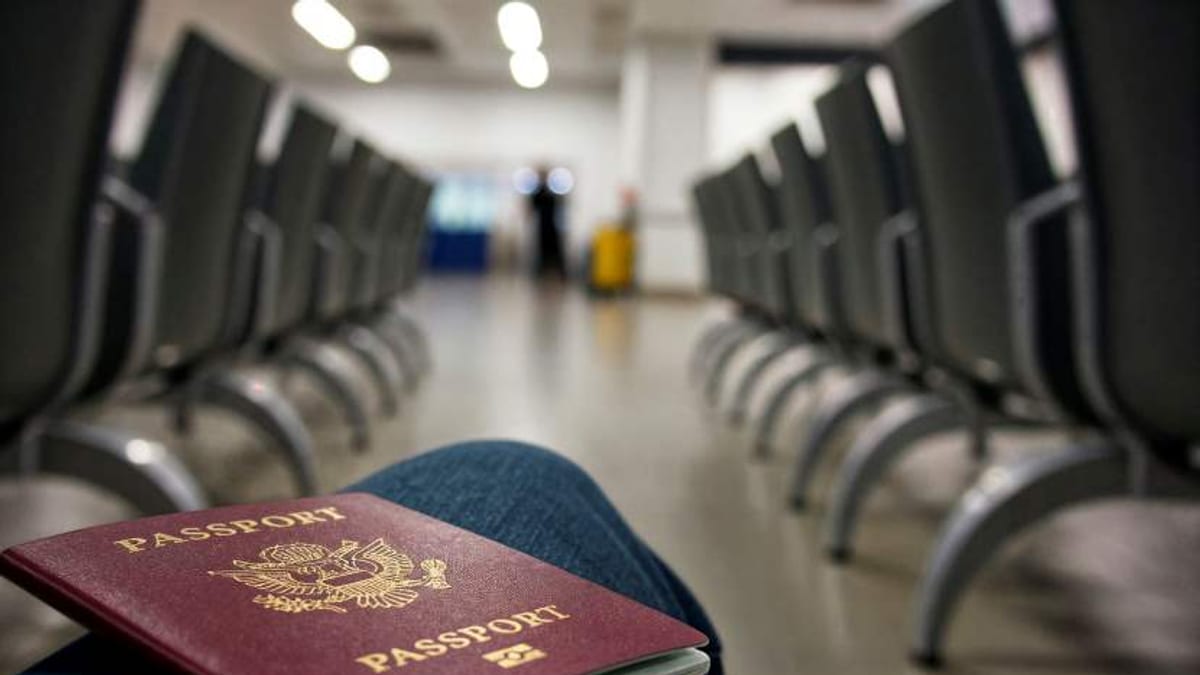
Image by Latest International / Global Travel News, Breaking World Travel News
New Grace Period Aims to Protect Stranded Visitors
Publicly available information from Saudi-focused immigration updates indicates that holders of expired visit visas now benefit from a formal grace period to exit the Kingdom without incurring standard overstay penalties. Advisory notes from global mobility firms describe a 30 day window applied to visit visas that have already expired, allowing affected travelers to leave the country legally when onward flights become available.
The initiative is framed as a targeted response to cases where visitors were unable to depart on time due to factors outside their control, including suspended routes and rapidly changing airline schedules. Analysts say the move is in line with earlier pandemic era measures in Saudi Arabia, when temporary exemptions were used to prevent travelers from being penalized for circumstances created by wider public health and transport restrictions.
Reports on the ground suggest that the grace period applies primarily to short term visit categories such as tourism, family and business visits, while residency rules and work authorization continue to follow existing procedures. Travelers whose plans have been disrupted are being encouraged, through public advisories, to monitor their visa status via official digital platforms and to arrange departure at the earliest practicable opportunity within the extended window.
Regional observers note that the policy gives airlines and embassies additional time to manage backlogs, particularly on routes that have seen repeated delays or temporary suspensions. By separating genuine overstay cases from those caused by external disruption, the measure is viewed as an attempt to maintain immigration compliance without adding financial strain to stranded visitors.
Exit Policy Adjusted to Ease Airport Bottlenecks
Alongside the grace period, new exit arrangements have been outlined to streamline departures for those whose visas have expired or are close to expiry. Travel industry briefings describe a system in which eligible visitors can proceed directly to designated departure points, where exit procedures are completed without the need for prior in person processing at immigration offices.
This approach is designed to reduce congestion at administrative centers and concentrate formalities at airports and land border posts, where passenger flows are already being managed in coordination with airlines. For travelers dealing with abrupt flight changes or rebookings, the ability to finalize status at the point of departure is expected to simplify what can otherwise be a complex sequence of approvals.
In several summaries of the policy circulated to corporate mobility teams, there is emphasis on electronic verification of status through existing government platforms before travelers reach the airport. Carriers are expected to check that passengers fall under the grace period or new exit rules, limiting the risk of last minute refusals at immigration counters.
Industry specialists say the focus on exit facilitation reflects the broader objective of avoiding mass irregular overstay situations at a time when regional flight networks are under strain. Ensuring that visitors can leave smoothly also helps Saudi Arabia maintain a predictable environment for future tourism and business travel once schedules stabilize.
Fine Waivers and Who Qualifies for Relief
According to recent immigration alerts and regional travel coverage, the grace period is closely tied to the waiving of certain overstay fines for travelers who act within the specified timeframe. For eligible visit visa holders whose permissions expired after a set cut off date, departure within the grace window is described as exempt from standard financial penalties and, in many cases, from future re entry restrictions linked to the overstay.
Specialist advisories clarify that this relief is not open ended. Visitors who fail to depart within the grace period may still face accumulated fines, possible bans, or the need for additional approvals before returning to the Kingdom. The message from compliance professionals is that the grace period should be treated as an exceptional concession, and not as a general relaxation of immigration rules.
Reports also highlight that the relief measures are narrowly targeted at those directly affected by regional disruptions, particularly flight cancellations and airspace closures that left passengers temporarily unable to exit. Travelers whose overstay arose from unrelated issues, such as ignoring visa end dates or working without authorization, are generally not covered by the new waivers.
Legal and tax commentary in the Gulf region points out that Saudi Arabia has periodically used limited amnesty style programs in areas such as residency status and traffic fines, normally accompanied by firm deadlines and clear conditions. The current visa grace measures follow a similar pattern by offering a defined period of leniency while underscoring the expectation of timely compliance once conditions allow.
Impact on Expatriates, Families and Umrah Travelers
The new policy framework is expected to be particularly significant for expatriate families visiting relatives in the Kingdom, as well as for travelers who entered for short term religious stays. In recent seasons Saudi Arabia has expanded access to Umrah, allowing many categories of visa holders to perform the pilgrimage while on other forms of visit authorization, which has increased the number of short term visitors exposed to sudden transport changes.
Travel advisories note that family visit and tourism visa holders are among the groups most likely to be caught by rapidly shifting flight timetables, especially when travelling with children or elderly relatives who may need additional time to reorganize itineraries. The ability to depart within a recognized grace period, without facing steep fines, is being described by relocation consultants as an important safety net for such travelers.
For longer term expatriate residents, the latest measures intersect with existing exit and re entry rules that govern temporary travel outside the Kingdom. Commentary from expatriate forums and legal explainers suggests that while the new exit facilitation is aimed mainly at visitors, it also provides some clarity for residents with dependents on visit visas who may need to adjust travel plans at short notice.
Some analysts expect the current steps to influence how future peak seasons are managed, particularly around major religious periods when airspace or regional conditions may again be unpredictable. By codifying a structured grace period and formal exit route, Saudi authorities appear to be laying groundwork for a more resilient response to future disruptions.
Regional Context and What Travelers Should Watch Next
The Saudi developments come as several Gulf and Middle Eastern states introduce temporary visa relief measures to cope with the knock on effects of regional tensions on aviation. Coverage from regional business media has described a wider pattern of fine waivers, deadline extensions, and relaxed re entry rules designed to avoid penalizing travelers trapped outside normal control.
Analysts say Saudi Arabia’s new grace period and exit policy align with this broader regional trend, while also serving domestic objectives of preserving the Kingdom’s reputation as a predictable and increasingly tourism friendly destination. The measures arrive at a time when the country is expanding e visa schemes, adjusting visit rules for certain nationalities, and pursuing ambitious visitor targets linked to its economic diversification program.
Travel experts advise that international visitors should continue to check the specific conditions of their visas, including any reference to grace days, exit deadlines and eligibility for fine waivers, as these can vary by visa type and by the timing of entry. Airlines and travel agencies are expected to play a central role in relaying updates, particularly if additional adjustments are made in response to evolving regional conditions.
While the current grace period and exit provisions are framed as temporary, observers anticipate that elements of the new procedures may be retained or refined as Saudi Arabia modernizes its immigration systems. For now, the changes offer immediate relief to many travelers whose plans have been overturned by regional disruptions, while reinforcing the importance of closely tracking visa validity and official announcements before and during any trip to the Kingdom.