

The Arabian Gulf is attracting a new generation of travelers, and two countries sit at the heart of that shift: Saudi Arabia and Qatar. Both are investing heavily in tourism, from streamlined e-visa systems to headline-grabbing events and futuristic skylines. Yet the experience of visiting each destination could not be more different. For travelers trying to decide between Saudi Arabia and Qatar, understanding how they compare on visas, culture, city life, nature, and day-to-day logistics is the key to planning the right trip.
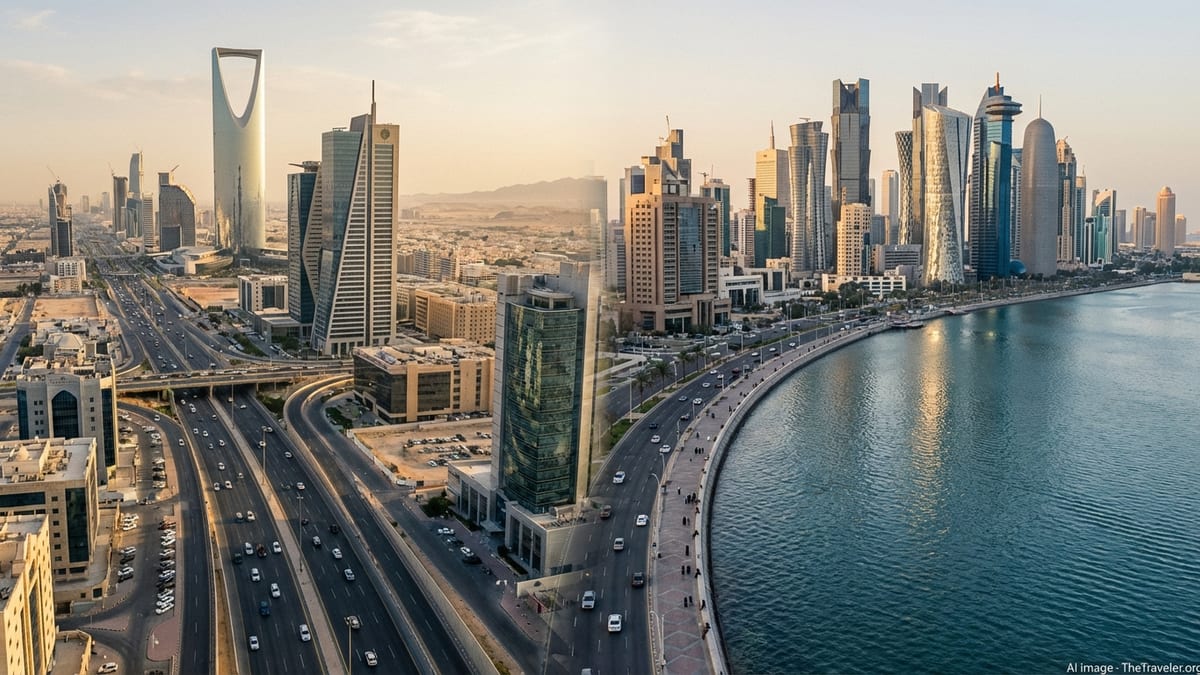
Big Picture: How Saudi Arabia and Qatar Position Themselves
Saudi Arabia is in the middle of an ambitious transformation under its Vision 2030 strategy, which explicitly targets tourism as a major new economic pillar. The country is opening archaeological sites that were once off-limits, creating new giga-projects along the Red Sea, and marketing Riyadh and Jeddah as global cultural hubs. Large-scale events such as Riyadh Season, major concerts, sports tournaments, and film festivals are designed to reposition the kingdom in the global imagination and draw in international visitors.
Qatar, by contrast, is a much smaller state with a highly concentrated tourism offering centered on its capital, Doha. After hosting the FIFA World Cup in 2022, Qatar has continued to build on its image as a polished, compact destination where visitors can enjoy beaches, museums, luxury hotels, and year-round sporting events. The country leans into its strengths as a transit hub and short-break destination, with Hamad International Airport and Qatar Airways making it an easy stopover or long weekend escape.
Size also shapes the experience. Saudi Arabia is vast, with multiple climate zones and regions that feel as different as separate countries. Experiences range from the cool highlands of Asir to the Nabataean tombs of AlUla and the coral-fringed Red Sea coastline. Qatar, on the other hand, can be explored at a slower pace without internal flights, which many travelers find less stressful. This difference in scale often becomes a deciding factor for visitors who either want one intense city-focused base or a wider road-trip style journey.
Both countries are ultimately selling a blend of modern Gulf prosperity and traditional Arabian culture. However, Qatar tends to offer a more cosmopolitan, polished, and contained experience, while Saudi Arabia invites visitors into a still-evolving landscape with greater regional diversity and a stronger sense of being part of a transformation in progress.
Visas, Entry Rules, and Practical Formalities
For many travelers, the first question is how easy it is to get in. Saudi Arabia has introduced a tourist e-visa that is available to citizens of many countries and can usually be obtained online in advance. The e-visa generally allows multiple entries within a set validity period and is tied to the broader push to bring millions of tourists each year. Some travelers may also be eligible for visas on arrival, but the exact rules depend on nationality and can change, so it is prudent to check official government sources before booking flights.
Qatar has taken a different approach by using a central digital platform, currently the Hayya system, to manage many visitor visas. The portal, originally created for the FIFA World Cup, has been expanded into a general entry-visa hub. Tourists can apply for different visa categories online, upload documents, and track applications. Depending on nationality, travelers may be eligible for visa-free entry, a visa waiver on arrival, or pre-approved electronic authorization, often allowing a stay of up to several weeks or months. Recent reports show that many nationalities, including visitors from the United States and parts of Europe, can obtain relatively straightforward entry for tourism, though processing times and user experiences can vary.
From a traveler’s perspective, both systems are designed to be digital, but they feel different in practice. Saudi Arabia’s e-visa is familiar to anyone who has used electronic visas elsewhere, while Qatar’s Hayya platform centralizes not only visas but sometimes links to events and accommodation information. In both countries, passport validity of at least six months and proof of onward travel are common requirements. Health insurance is increasingly emphasized, especially for longer stays. Travelers should plan extra time for applications if they are visiting during major events such as Formula 1 in Qatar or large festivals in Saudi Arabia.
On the ground, border formalities at major airports are typically efficient, though peak holiday times or major events can cause delays. Both states maintain strict rules on the import of certain medications, drugs, alcohol, and religious materials. Reading the fine print and arriving prepared reduces the risk of items being confiscated or, in the worst case, facing legal trouble. For visitors who value predictability and a highly structured process, Qatar’s smaller scale and single major entry point can feel simpler, while Saudi Arabia’s larger network of airports and land borders offers more options but requires more planning.
Culture, Customs, and Social Atmosphere
Culture is where Saudi Arabia and Qatar share many similarities yet leave different impressions. Both are conservative Muslim societies where Islamic values strongly influence public life, but the way that plays out for visitors is not identical. Saudi Arabia has undergone noticeable social changes in recent years, with more public entertainment, mixed-gender events, and a relaxation of some older restrictions. Nevertheless, it retains a more traditional feel in many regions, and visitors are encouraged to dress modestly, especially outside major cities and tourist zones.
Qatar, while also rooted in conservative norms, presents a more visibly international atmosphere, especially in Doha, where expatriates form a large share of the population. Dress codes are modest but less formal in practice in many public spaces, and travelers will see a wide mix of styles, from traditional Gulf attire to Western casual clothing. Alcohol is more accessible for non-Muslim tourists in Qatar through licensed venues such as hotel bars and restaurants, although public drunkenness is strictly prohibited and penalties can be severe.
In both countries, public displays of affection are frowned upon, and same-sex relationships remain highly sensitive topics with serious legal implications. Photography of government buildings, sensitive infrastructure, and some local people can also be problematic. Asking permission before taking portraits and avoiding any official-looking sites are simple habits that help avoid misunderstandings. Respect for prayer times, especially on Fridays, and an awareness of Ramadan etiquette are also important. During the holy month, daytime dining in public is often restricted, although hotels may make private arrangements for non-fasting guests.
Social interactions with locals differ subtly. In Saudi Arabia, especially outside the most cosmopolitan neighborhoods, travelers may encounter a stronger sense of curiosity because tourism is still relatively new. Conversations can be warm and hospitable but may be more gender-segregated in some settings. In Qatar, where large numbers of visitors and foreign workers have been present for years, interactions can feel more transactional in some tourist areas but are still framed by the well-established Gulf tradition of hospitality. For culturally curious travelers willing to adapt their behavior and ask questions respectfully, both destinations offer meaningful human encounters, though Saudi Arabia often feels more like stepping into a society in mid-transition.
City Life: Riyadh and Jeddah vs Doha
Travelers comparing Saudi Arabia and Qatar often start by weighing Riyadh and Jeddah against Doha. Riyadh, the Saudi capital, is a vast, fast-changing metropolis where new districts, entertainment zones, and cultural venues seem to appear every season. Developers are building creative public spaces, contemporary art venues, theme parks, and large-scale event arenas. The city’s wide boulevards, skyscrapers, and shopping centers are interspersed with older neighborhoods and traditional markets, offering a dynamic but sometimes overwhelming urban experience.
Jeddah, on the Red Sea, projects a different mood. Historically the gateway for pilgrims heading to Mecca, it has an older core of coral-stone houses in the Al-Balad district that contrasts with modern seafront promenades, beach clubs, and upscale malls. The city’s coastal setting brings a more relaxed feel than inland Riyadh, with opportunities for seaside dining and water-based activities. For many travelers, a combination of Riyadh and Jeddah offers a strong overview of contemporary Saudi urban life: one city focused on business and government, the other leaning toward trade, culture, and the sea.
Doha, by comparison, condenses much of this urban variety into a relatively compact footprint. The skyline around West Bay, with its cluster of glass towers, anchors the city’s modern side, while the Corniche waterfront, Museum of Islamic Art, and National Museum provide cultural and scenic counterpoints. Souq Waqif, a restored traditional market area, is often where tourists gravitate for evening strolls, shisha cafes, and casual dining. One of Doha’s main advantages is that many attractions lie within a short drive of one another, making it easy to explore even on a brief stopover.
Public transport is another key difference. Doha’s metro system connects the airport with major districts and stadium areas, providing a clean, air-conditioned way to cross the city. In Saudi cities, public transport is still developing, and while metro lines are opening in Riyadh, most visitors currently rely on taxis and ride-hailing services. Traffic in Riyadh in particular can be heavy and distances long, something to factor into daily itineraries. For travelers who dislike navigating large, car-dependent cities, Doha’s smaller, more manageable scale may be appealing, whereas urban explorers with time and patience often find Saudi cities richly rewarding.
Landscapes, Outdoor Adventures, and Day Trips
Nature is one of the starkest contrasts between Saudi Arabia and Qatar. Saudi Arabia’s landmass encompasses deserts, mountains, valleys, and coasts that feel far removed from each other. Travelers can visit sandstone canyons and rock formations in regions like AlUla, drive through the vast dunes of the Empty Quarter, or hike in the comparatively cool and green highlands around Abha in Asir province. The country’s Red Sea coast is also drawing attention for its coral reefs and clear waters, with diving and snorkeling projects underway to position the area as a competitor to other global marine destinations.
Qatar, in contrast, is a low-lying peninsula where desert and sea are never far apart. The most popular natural excursions typically involve dune-bashing trips to the inland sea near the Saudi border, where desert sands meet the Gulf waters. Visitors may also take kayak tours through mangrove areas north of Doha or enjoy watersports off man-made islands and beaches. While the variety of landscapes is more limited than in Saudi Arabia, the advantage is proximity: many of these experiences can be reached within an hour or two from central Doha.
Climate plays a major role in planning outdoor activities in both destinations. Summers can be extremely hot, with daytime temperatures that make extended outdoor exploration uncomfortable for much of the day. The most pleasant times to visit for outdoor pursuits are typically between late autumn and early spring, when temperatures are milder. Even then, sun protection and hydration are critical. Visitors who value multi-day treks, diverse trekking scenery, or long driving routes through varied terrain will generally find Saudi Arabia more compelling, while those who prefer half-day excursions paired with city comforts may lean toward Qatar.
For families and more casual adventurers, both countries are expanding soft adventure offerings. In Saudi Arabia, temporary theme parks and seasonal festivals in Riyadh and the Red Sea region add to options like zip lines, desert camps, and hot-air balloon rides in select areas. In Qatar, desert camps, camel rides, and organized tours aim to provide a sense of the Arabian landscape without requiring extensive planning or remote travel. Because infrastructure is evolving quickly in Saudi Arabia, checking up-to-date information about road conditions and tour operators is important before venturing far from major cities.
Costs, Accommodation, and Everyday Logistics
Budget considerations also separate the two destinations. Qatar, especially Doha, has a reputation for relatively high prices, particularly when it comes to accommodation in well-located international hotels. However, the market has diversified since the World Cup, with more mid-range and some budget options becoming available. Dining spans everything from simple shawarma stands to fine-dining establishments within luxury hotels, and visitors who eat outside hotel venues can keep daily food costs within a moderate range.
Saudi Arabia presents a broader spectrum of options, partly because of its size. Major cities offer international hotel brands at various price points, serviced apartments that appeal to families or long-stay visitors, and local hotels that can be more economical. In secondary cities and smaller towns, accommodation may be simpler but often cheaper, though standards can vary. For travelers who are comfortable mixing a night or two in higher-end properties with more basic stays, Saudi Arabia can be surprisingly cost-competitive, particularly outside peak event seasons or religious periods.
Transportation costs also differ. In Qatar, distances are short, and a combination of metro, taxis, and ride-hailing services can cover most needs without major expense. Rental cars are available but not essential for many visitors who remain in or near Doha. In Saudi Arabia, a rental car can be highly practical or even necessary if you plan to travel between regions or explore natural areas. Fuel prices are typically lower than in many Western countries, which offsets some costs, but tolls, parking, and long driving distances add up. Domestic flights are another factor in Saudi trip budgets, especially for itineraries that combine Riyadh, Jeddah, and other emerging tourism hubs.
Day-to-day logistics such as mobile connectivity, payment systems, and language are broadly similar in both destinations. English is widely used in hotels, airports, and many service industries, although Arabic remains the primary language. Card payments are accepted in most urban establishments. Dress modesty expectations may influence clothing purchases, and visitors should factor in costs for appropriate attire if they plan to spend time in more conservative or religiously significant areas. Finally, both countries levy penalties for certain infractions, from traffic violations to public conduct, so building a small buffer into your budget for unexpected minor expenses is wise.
Safety, Rights, and Responsible Travel
Safety in terms of crime is generally not a major concern for visitors in either Saudi Arabia or Qatar. Both countries maintain significant security presences in public spaces, and violent crime affecting tourists is relatively rare compared with many global destinations. That said, travelers should still take common-sense precautions against petty theft, especially in crowded markets or major event areas.
The more consequential issues for travelers often relate to legal frameworks and rights. Both countries enforce strict drug laws, with severe penalties for possession or trafficking, and are highly sensitive about criticism of ruling families, religion, and governmental institutions. Social media posts, photography, or behavior that would be minor missteps elsewhere can have serious repercussions. Visitors should avoid political demonstrations, refrain from photographing security forces, and remain aware that laws around speech and assembly are very different from those in many Western democracies.
Human rights organizations have raised concerns about labor rights and freedom of expression in both countries, especially in the context of large construction projects, migrant labor, and big-ticket events. For socially conscious travelers, this raises questions about how to visit responsibly. One approach is to support local businesses where possible, treat service workers with respect, and take time to learn more nuanced perspectives from a range of residents and independent analysts, while acknowledging that some topics remain sensitive to discuss openly.
Health and environmental considerations are also part of traveling responsibly. Extreme heat, high UV levels, and occasional dust storms are realities across the region, and visitors should take these seriously, especially if they have respiratory or cardiovascular conditions. Both Saudi Arabia and Qatar are investing in more sustainable tourism infrastructure, but air conditioning, water use, and construction demands mean that environmental footprints remain significant. Making small individual choices, such as limiting unnecessary car trips, refilling water bottles where safe, and respecting desert and coastal ecosystems, can help reduce impact.
The Takeaway
Deciding between Saudi Arabia and Qatar as a travel destination ultimately comes down to what kind of Gulf experience you are seeking. Qatar offers a compact, polished, and manageable introduction to the region. Doha’s skyline, waterfront, and museums sit close together, and desert and mangrove excursions can be easily built into a short stay. Entry requirements for many nationalities are reasonably streamlined through digital systems, and the city’s cosmopolitan feel, combined with high service standards, appeals to travelers who value comfort and efficiency.
Saudi Arabia, in turn, offers scale and diversity. It is a destination where you can spend time in multiple cities that each reveal different facets of the country, from the governmental and business focus of Riyadh to Jeddah’s historic quarters and coastal life, to archaeological and natural wonders in other regions. Tourism infrastructure is expanding quickly, and visitors who come prepared for some logistical complexity will often feel a sense of discovery that is harder to find in more established destinations. For many, the attraction lies in witnessing a society in motion, balancing heritage and rapid change.
Both countries require visitors to take local laws and customs seriously, especially in matters of dress, public behavior, and online expression. Respectful curiosity, modest clothing, and a willingness to adapt routines, particularly during religious periods, go a long way toward ensuring a smooth trip. Heat and climate are important planning factors in both places, with cooler months providing the most pleasant conditions for exploration.
If you have limited time and prefer a single, easily navigable base with a modern skyline, curated museums, and quick access to the desert, Qatar may be the better first step into the Gulf. If you have more days and a taste for varied landscapes, road trips, and cultural contrasts within one country, Saudi Arabia is likely to be more rewarding. Many seasoned travelers eventually visit both, finding that together they offer a fuller picture of contemporary life and ambition along the Arabian Gulf.
FAQ
Q1. Which is easier to visit for a first-time traveler, Saudi Arabia or Qatar?
For most first-time visitors to the Gulf, Qatar is easier because of its compact size, single main city, and straightforward transport and sightseeing options, while Saudi Arabia rewards more time and planning.
Q2. Is Saudi Arabia or Qatar more conservative for tourists?
Both are conservative Muslim societies, but in daily practice Saudi Arabia often feels more traditional, especially outside main cities, while Doha has a more visibly international and mixed social atmosphere.
Q3. Where is alcohol more accessible for visitors?
Alcohol is restricted in both countries, but in Qatar it is available to non-Muslims in licensed hotel venues and certain restaurants, whereas in Saudi Arabia access for tourists remains far more limited.
Q4. Which destination is better for a short stopover?
Qatar is generally better for short stopovers because many key attractions, hotels, and the airport are concentrated in and around Doha, allowing meaningful sightseeing in one or two days.
Q5. Which country offers more diverse landscapes and outdoor experiences?
Saudi Arabia offers a wider range of landscapes, from mountains and historic desert formations to the Red Sea coast, while Qatar focuses on desert trips, coastal activities, and smaller nature excursions.
Q6. How do costs compare between Saudi Arabia and Qatar?
Qatar can feel more expensive on average, particularly for central hotels and dining in international venues, whereas Saudi Arabia offers a broader range of price points across different cities and regions.
Q7. Is it safe to travel independently in Saudi Arabia and Qatar?
Independent travel is generally safe in both destinations in terms of crime, but visitors should closely follow local laws and cultural norms, which are stricter than in many Western countries.
Q8. Do I need a car to get around?
In Qatar many visitors manage with the metro, taxis, and ride-hailing services, while in Saudi Arabia a rental car or domestic flights become more important if you plan to visit multiple cities or remote sites.
Q9. When is the best time of year to visit?
The best time for both countries is typically between late autumn and early spring, when temperatures are milder and outdoor activities, city walks, and desert trips are more comfortable.
Q10. If I can only choose one, which should I pick?
If you prefer a compact, polished, low-effort trip focused on one city and its surroundings, choose Qatar; if you want a larger, more varied journey with a sense of exploration, choose Saudi Arabia.