

More news on this day
Saudi Arabia’s flag carrier Saudia is recalibrating routes and schedules as a fresh wave of airspace closures and military escalation across the Middle East forces airlines to reassess safety over key corridors linking Europe, Asia and the Gulf.
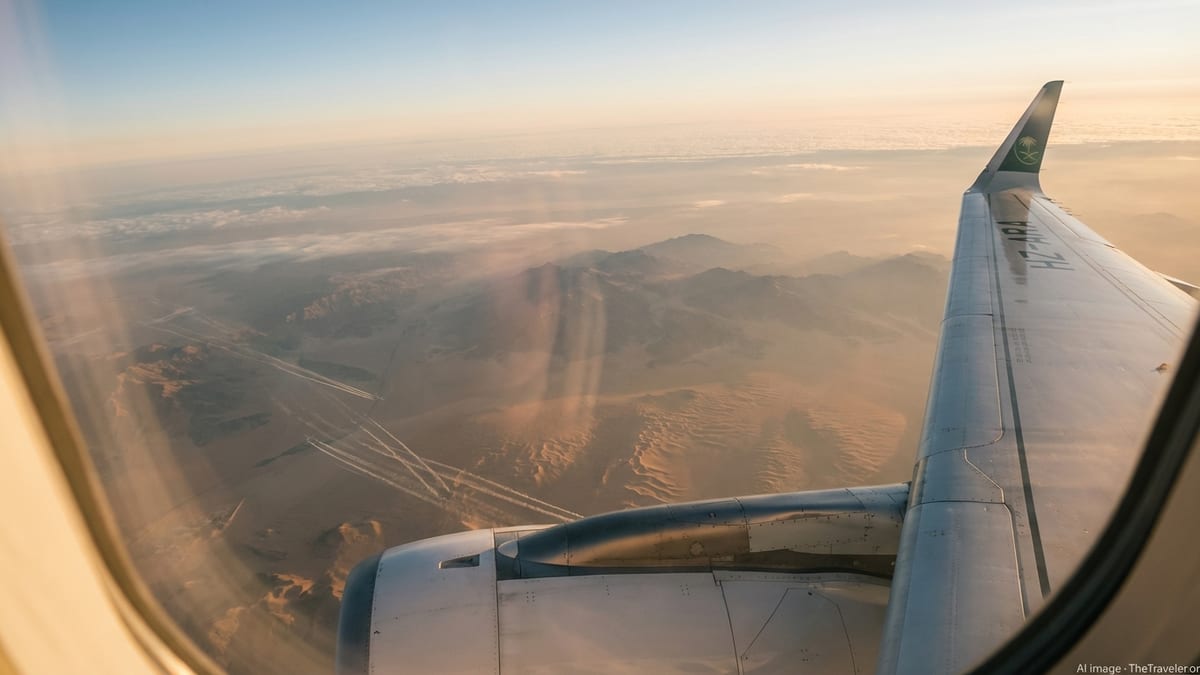
Saudia Confirms Cancellations as Regional Airspace Tightens
Saudi aviation authorities and major airports issued coordinated travel alerts on February 28, urging passengers to confirm their flight status before heading to the airport as sudden airspace closures upended schedules. Terminals in Riyadh, Jeddah and Dammam warned that departures to several regional and long haul destinations could be delayed, diverted or canceled at short notice as the situation evolves.
In a formal statement, Saudia said a number of flights had been suspended or canceled in line with international aviation safety and security standards. The carrier stressed that all operational decisions are being taken in consultation with regulators and air navigation authorities, and that its Emergency Coordination Center is in continuous contact with regional and international partners to track changing risk levels.
Passengers are being notified through the contact details associated with their bookings, and Saudia is urging travelers to use official airline and airport channels instead of third party apps or social media for reliable updates. The airline has signaled that further adjustments are likely as new government notices to airmen are issued across the Middle East.
Airspace Closures After Strikes on Iran Reshape Key Routes
The latest disruption follows coordinated United States and Israeli strikes across Iran on February 28, a move that prompted several Gulf states and Israel to temporarily close or restrict their airspace to civilian traffic. Short haul links within the region and long haul corridors between Europe, India and East Asia that typically overfly Iran, Iraq or adjacent conflict zones have been most exposed to sudden route changes.
Regional carriers including Saudia are now managing around closures and capacity caps that affect not only destination airports but also overflight permissions. Some airlines have announced daylong or multi day suspensions of services to Lebanon, Syria, Iraq, Iran and Jordan, and have limited operations to hubs in Qatar, the United Arab Emirates and Oman during the peak of the closures. Saudia is maintaining a skeleton network where overflight risk is deemed manageable, while preparing contingency routings for flights that must detour around restricted areas.
These shifts come on top of longer running restrictions tied to the Red Sea crisis and the Yemen conflict, which have already made direct north south routes between Saudi Arabia and the Horn of Africa or southern Red Sea more complex. The cumulative effect is a more fragmented patchwork of safe corridors, demanding precise planning by Saudia’s operations center to keep aircraft clear of potential military activity while maintaining commercially viable schedules.
Risk Assessments, Reroutings and Onboard Safety Protocols
Behind the scenes, Saudia’s response hinges on dynamic risk assessments that integrate government advisories, real time intelligence and guidance from international bodies such as the International Civil Aviation Organization and IATA. Operators across the region have been advised in recent months to avoid specific segments of Iranian, Iraqi, Syrian and Yemeni airspace, and to stay clear of temporary restricted zones over the Red Sea where military activity and missile tests have been reported.
For passengers, the most visible impact is longer flight times and occasional technical stops for refueling, particularly on east west routes that once crossed northern Gulf skies but now detour via safer southern corridors or further out over the Arabian Sea. Industry analysts note that even slight shifts in great circle routes can add 30 to 90 minutes to a flight, and Saudia has factored these changes into updated timetables and crew duty plans.
Onboard, standard safety protocols remain unchanged. Airlines are routing aircraft to cruise at altitudes that minimize exposure to ground based threats and coordinating closely with air traffic control to avoid congestion in newly popular detour corridors. Saudia has reiterated that if risk levels rise beyond predefined thresholds on a particular airway, flights will be rerouted or canceled rather than dispatched into marginal conditions.
Passenger Disruption and What Travelers Should Expect
In practical terms, travelers using Saudia in the coming days should be prepared for rolling schedule changes, even after check in. Same day aircraft swaps and last minute route adjustments can cascade through the network, affecting connections in Jeddah, Riyadh and Dammam as aircraft and crews are repositioned around closed airways and congested alternates.
Airports in Saudi Arabia are urging passengers not to head to terminals until they have confirmed that their flight is operating. Saudia is adjusting rebooking policies to accommodate disrupted guests, including options to move travel dates or change destinations within the same region where capacity allows. Travel agents report that premium cabins and high demand pilgrimage routes are being prioritized, with some discretionary leisure traffic moved to later dates.
Travelers connecting between Europe, North America, India and Southeast Asia via Saudi hubs should expect extended journey times and potential overnight stays if curfews or rolling airspace closures narrow operational windows. Aviation experts recommend that passengers allow extra buffer time for onward connections and monitor official airline communications closely instead of relying solely on third party flight trackers, which can lag during rapidly evolving events.
Broader Safety Context for Middle East Air Travel
The present disruption lands in a region that has already weathered successive airspace crises in recent years, from drone and missile attacks linked to the Yemen conflict to periodic shutdowns around Israel and the eastern Mediterranean. Each episode has led airlines, including Saudia, to refine their risk management frameworks, invest in more sophisticated route planning tools and harden contingency protocols for rapid suspensions and resumptions of service.
Aviation safety specialists underline that commercial carriers rarely operate in airspace where military risk is considered unacceptably high, particularly since the downing of civilian aircraft in past conflicts sharpened global scrutiny of overflight decisions. The current pattern of rapid reroutings, temporary suspensions and heavy reliance on official notices reflects a sector that has become more cautious and data driven in its response to geopolitical shocks.
For Saudia, which sits at the crossroads of Europe, Asia and Africa, maintaining that balance between connectivity and caution is central to its long term strategy. While short term disruptions and frustrated travelers are almost inevitable under the present airspace curbs, the carrier is betting that visible adherence to conservative safety thresholds will reinforce confidence among international passengers choosing routes through Saudi hubs.