

More news on this day
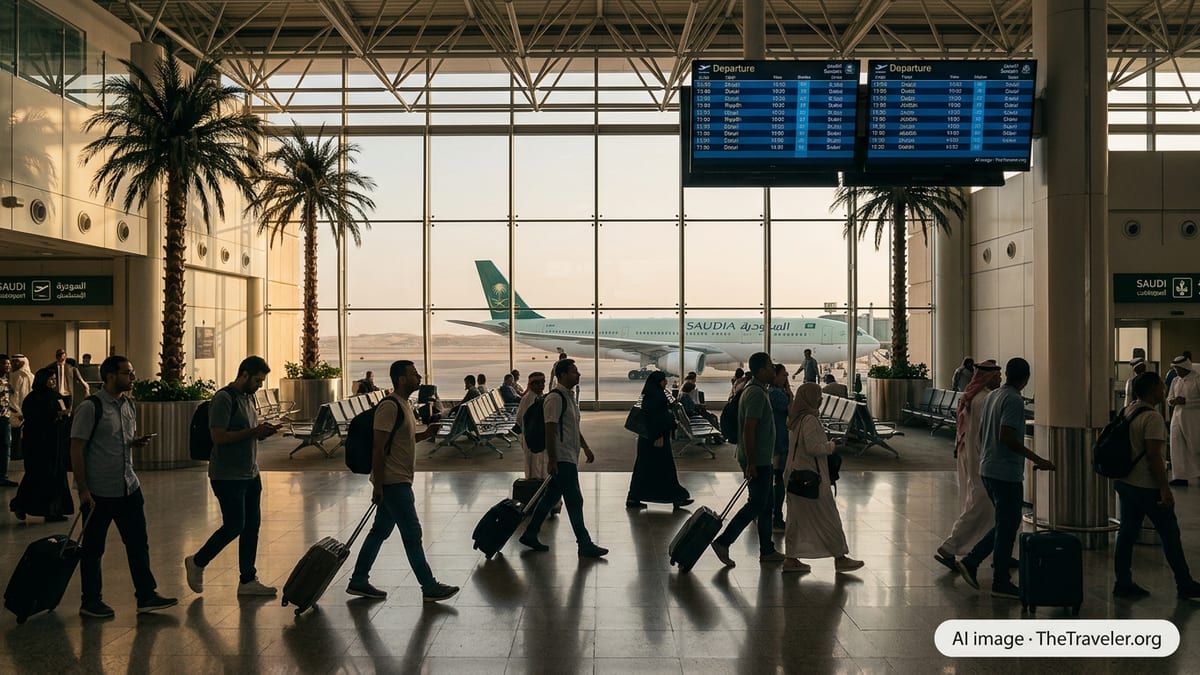
Saudi Arabia’s flag carrier Saudia has partially reopened its air routes to Dubai, restarting a limited number of flights from Riyadh and Jeddah as regional airspace gradually stabilizes and thousands of stranded travelers rush to reorganize plans.
What Has Changed on the Saudi Arabia–Dubai Route
Saudia confirmed that it is resuming a restricted schedule of flights between Saudi Arabia and Dubai from Saturday, March 7, following several days of sweeping suspensions triggered by regional tensions and airspace closures. The move marks one of the first steps toward normalizing passenger traffic between the kingdom and the United Arab Emirates, although operations remain far from pre-disruption levels.
Initial services will focus on core trunk routes linking Riyadh and Jeddah with Dubai International Airport. According to announcements carried by Saudi and Gulf media, outbound flights from Riyadh and Jeddah to Dubai will restart first, with corresponding return legs from Dubai back to both Saudi cities. Travelers are being advised that these early rotations are operating on a reduced basis, with capacity and frequency subject to rapid change depending on security assessments.
The partial reopening follows a week in which Saudia extended flight suspensions to Dubai, Abu Dhabi and several other regional destinations, leaving many passengers stranded or forced to route via alternative hubs. The new flights are designed primarily to reestablish essential connectivity and clear backlogs, rather than to fully restore the carrier’s regular commercial schedule.
Other regional airlines, including Emirates, Etihad, flydubai, Air Arabia and Saudi low cost carriers such as flynas, are also rebuilding limited operations in and out of the UAE, creating a patchwork of options that can help passengers complete disrupted journeys. However, travelers should not assume that previous timetables or frequencies are in effect.
Key Flight Details: Routes, Frequencies and Priority Passengers
Saudia’s initial Dubai schedule is centered on specific flight numbers and time slots to streamline operations while air traffic control across the region remains constrained. Reports indicate that the first wave of flights includes services from King Khalid International Airport in Riyadh to Dubai and from King Abdulaziz International Airport in Jeddah to Dubai, with matching return flights operating in the opposite direction.
Industry briefings describe these as limited rotations, with far fewer daily frequencies than usual and with seats heavily committed to passengers whose earlier flights were canceled. Airlines across the Gulf have emphasized that those with disrupted bookings in recent days will be given priority as seats become available on the newly reinstated services.
Schedules are being published in short windows of a few days at a time, reflecting the fluid security environment and the possibility of renewed restrictions. Travelers should expect last minute adjustments to departure times, aircraft types and even operating days, as carriers coordinate with aviation authorities and air navigation providers.
In parallel, some airlines are operating special or “exceptional” services between Saudi Arabia and Dubai, particularly to move stranded residents and visitors. These flights may not follow typical numbering patterns and can appear on booking systems only shortly before departure, adding another layer of complexity for those planning travel.
What Travelers Need to Do Before Heading to the Airport
With capacity constrained and conditions still volatile, Saudia and other carriers are urging passengers not to travel to the airport without first confirming that their flight is operating as scheduled. This means checking booking references and flight status repeatedly in the 24 hours before departure, using airline mobile apps, call centers or official social media channels.
Passengers whose flights were canceled during the suspension period are being rebooked in phases, often with priority given to those with imminent visa expiries, onward connections or critical travel needs. Many travelers are receiving updated itineraries by email or SMS, but aviation officials caution that not all customers can be accommodated on their first preferred dates, given the limited number of seats in the restart phase.
Travelers should plan for longer than usual processing times at both Saudi and UAE airports as ground staff handle rebookings, baggage from previously disrupted flights and additional documentation checks. Arriving early and carrying printed copies or screenshots of new confirmations can help speed interactions at check in and immigration counters.
Authorities also recommend that travelers maintain flexible hotel and ground transport arrangements in both Riyadh or Jeddah and Dubai, given the heightened risk of further schedule revisions. Refund and change policies have been relaxed by many carriers during this period, but exact rules differ by airline and fare type, so passengers should review conditions carefully before making changes.
Ticket Changes, Refunds and Fare Conditions
Saudia and other major Gulf airlines have introduced temporary measures to accommodate passengers affected by the recent suspensions. These typically include options to rebook without additional change fees within a defined period, receive travel vouchers for future use, or in some cases request refunds where flights have been outright canceled.
However, the small number of flights now resuming to and from Dubai means that rebooking is not always immediate. Some travelers may find their new itineraries shifted by several days compared with original plans. Agents and airline representatives are encouraging customers to accept the first available option on their route, as waiting for specific dates or times could lead to further delays.
For those purchasing new tickets for near term travel between Saudi Arabia and Dubai, fares may fluctuate more than usual as demand outstrips the currently limited supply of seats. Prospective passengers are advised to review fare rules for flexibility, including whether changes or cancellations can be made without heavy penalties should the situation evolve.
Travel insurance providers are also updating their guidance on coverage for disruption linked to regional instability and airspace closures. Policyholders should verify whether their plans treat the current situation as a covered event, and whether benefits apply to additional accommodation, alternative routing or unused portions of trips.
Outlook for the Coming Days and Weeks
Aviation officials in both Saudi Arabia and the UAE describe the current phase as a cautious, incremental reopening of key corridors rather than a full return to normality. Saudia has framed the Riyadh–Dubai and Jeddah–Dubai flights as the first step in a broader restoration plan that will unfold as airspace restrictions are eased and risk assessments allow.
Analysts expect that frequencies on these routes will increase gradually if the security environment continues to stabilize, with more daily services and a wider choice of departure times for both leisure and business travelers. Additional Saudi cities could be reconnected directly to Dubai at a later stage, though no firm dates have been published.
In the meantime, passengers planning trips in late March or April should keep a close eye on official updates, as schedules may be adjusted several times before departure day. Forward bookings remain strong on the Saudi Arabia–UAE corridor, reflecting pent up demand from those who postponed trips during the shutdown as well as regular seasonal travel.
For now, anyone looking to fly between Riyadh or Jeddah and Dubai in the coming days should be prepared for a more hands on approach to planning than usual, with frequent status checks, flexible dates and a willingness to adjust itineraries as airlines and regulators work to fully reopen one of the Gulf’s busiest air corridors.