

More news on this day
Amsterdam Airport Schiphol is confronting one of its most disruptive periods in years, as severe winter weather and wider global airspace turmoil trigger massive flight cancellations, leaving thousands of passengers stranded or re-routed across Europe.
Get the latest news straight to your inbox!
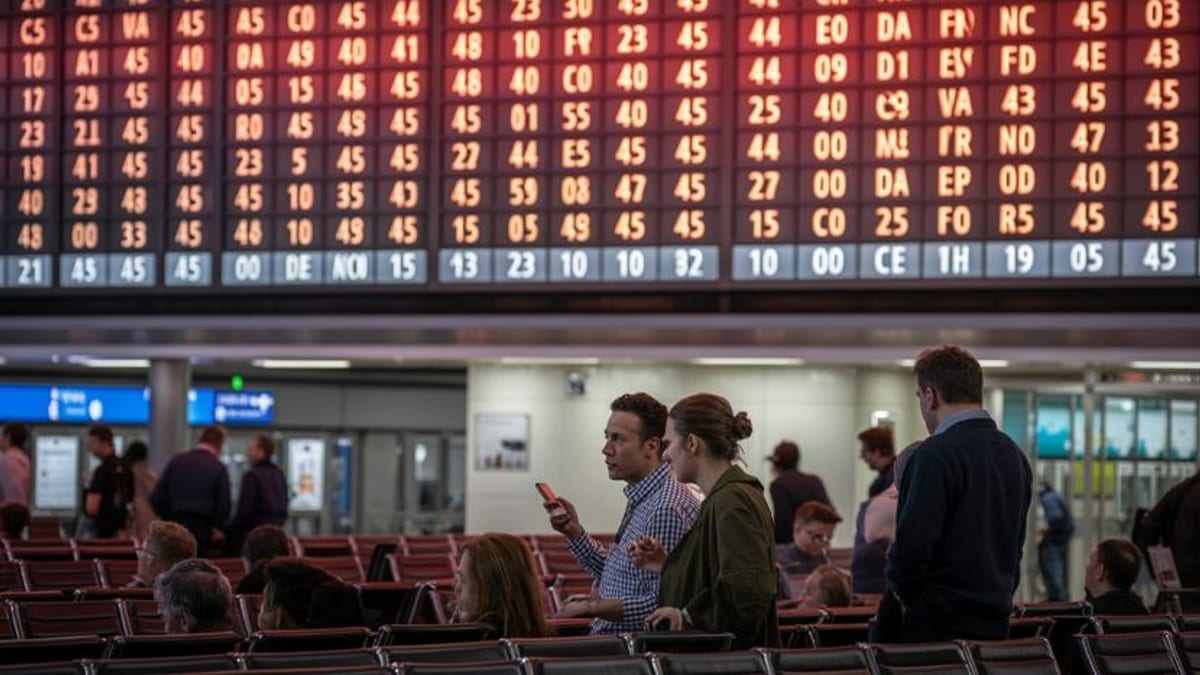
Image by Global Travel Alerts, Advisories, International Travel Alerts
Storms, Safety Rules and a Gridlocked Hub
Published coverage from Dutch and international outlets indicates that Schiphol has seen hundreds of flights cancelled on multiple days since early January 2026 as heavy snow, strong crosswinds and low visibility have repeatedly pushed the airport’s operations to the limit. On 2 January alone, reports describe more than 300 cancellations and many hundreds of delays as aircraft and ground crews struggled to operate safely in shifting winter conditions.
Travel alerts and passenger accounts show that the disruption has not been confined to a single day. In the week of 6 to 12 January, KLM and other carriers operating at Schiphol cancelled large numbers of flights to, from and via Amsterdam, repeatedly revising schedules as weather systems moved across northwest Europe. Publicly available information suggests that airlines have sometimes pre-emptively cleared entire blocks of services to avoid aircraft being stranded out of position.
Aviation briefings also point to operational constraints beyond the weather itself. European and Dutch rules on duty times for crews and working-hour limits for ground staff have reduced flexibility once storms hit, forcing further cancellations when rosters could no longer absorb rolling delays. For passengers, the result has been a sudden collapse in available seats combined with long queues at ticket desks and customer service channels.
While airport authorities have stressed that safety remains the overriding priority, the knock-on effects have been felt across the continent. Regional airports in Germany, Belgium and Scandinavia have reported higher transfer volumes as travellers scramble to bypass Amsterdam and piece together alternative routes home.
Middle East Airspace Crisis Deepens the Shock
The winter weather at Schiphol has collided with a second major shock to global aviation: widespread airspace closures and schedule cuts linked to escalating conflict in the Middle East. International news coverage over recent days describes thousands of cancellations on routes touching Iran, Israel, Iraq and neighbouring states, with airlines forced to suspend services or adopt long detours to avoid restricted skies.
European carriers, including Air France-KLM, have adjusted networks serving the Gulf and Levant, in some cases suspending flights to cities such as Dubai, Riyadh, Dammam and Tel Aviv for weeks at a time. While those routes do not all pass through Schiphol, fleet and crew reassignments, fuel-planning constraints and aircraft repositioning have added additional strain to Amsterdam’s role as a major European hub.
Aviation analyses note that when long-haul flights are cancelled or diverted, aircraft and crews can end up in the wrong place for subsequent rotations. Schiphol’s carefully balanced bank structure, designed to support waves of connecting flights, is particularly vulnerable to that kind of disruption. Once too many long-haul arrivals or departures are lost, the schedule begins to unravel, leaving regional and European services exposed to last-minute cuts.
Industry commentary suggests that this combination of regional conflict and local weather has produced the most severe systemic stress on European flight schedules since the height of the pandemic. Amsterdam’s status as a connecting node between North America, Europe, the Middle East and Asia has turned a local storm problem into a global travel headache.
What Passengers Are Experiencing on the Ground
Passenger reports from Schiphol over the past two months describe snaking queues at transfer desks, crowded seating areas and uncertainty over when replacement flights will materialize. Some travelers recount receiving cancellation notifications on their airline apps many hours before departure, only to find that alternative options were slow to appear or already fully booked by the time they tried to rebook.
Other accounts highlight the uneven impact of the disruption. Travellers who could remain at home or in city hotels until their new departure time sometimes managed to avoid the worst of the congestion. Those already in transit through Amsterdam, however, have described overnight stays in terminal seating areas while waiting for new itineraries, as accommodation near the airport quickly filled.
Publicly available guidance from airlines and consumer organizations emphasizes that passengers whose flights are cancelled should avoid cancelling their tickets on their own initiative if they hope to preserve rights to refunds and possible compensation. Instead, they are urged to wait for the airline to cancel or significantly amend the itinerary, even though this can be a frustratingly slow process during mass disruption events.
Social media posts and forum discussions also show a growing tendency for passengers to seek alternative routes via Brussels, Düsseldorf, Frankfurt, Paris or even more distant hubs when it appears that Amsterdam will remain congested for several days. That in turn has pushed demand higher on rail and coach links connecting the Netherlands with surrounding countries.
Rebooking, Refunds and Your Rights Under EU261
For travellers caught up in the Schiphol cancellations, one of the most pressing questions is what they can reasonably expect from airlines. Under European passenger rights regulation EU261, travelers on flights departing from an EU airport are entitled to assistance and potentially financial compensation when flights are cancelled or heavily delayed, subject to specific conditions.
Legal summaries of EU261 explain that when a flight is cancelled, airlines must offer a choice between a refund of the unused ticket and rerouting at the earliest opportunity or at a later date that suits the passenger, depending on seat availability. Where rerouting involves an overnight stay or long wait at the airport, carriers are generally required to provide meals, refreshments and, where necessary, hotel accommodation and transfers.
Compensation payments, which can range from short-haul to long-haul amounts per passenger, typically apply when cancellations are announced at short notice and are not caused by “extraordinary circumstances” beyond the airline’s control. Severe, rapidly developing storms that create genuine safety concerns may fall under that extraordinary-circumstances category, while cancellations related to staffing, scheduling or aircraft allocation often do not. Each case depends on the specific facts, so consumer advocates recommend keeping detailed records of notifications, boarding passes and any out-of-pocket expenses.
Special travel advisories published by carriers at the height of the Schiphol disruptions have sometimes relaxed rebooking rules, allowing passengers to move their travel dates within a defined window without change fees or fare differences. In practice, however, strong demand for limited seats and the complexity of global route networks mean that even flexible policies cannot fully offset the scale of the cancellations.
Practical Strategies if You Are Due to Travel via Schiphol
With schedules still volatile, experienced travelers and consumer groups are emphasizing preparation and flexibility for anyone booked to travel through Amsterdam in the coming days. One widely shared recommendation is to monitor flight status directly via airline apps and the airport’s departure boards in the 24 hours before departure, rather than relying solely on initial booking confirmations issued weeks or months earlier.
Analysts suggest that passengers with tight connections, particularly on itineraries combining short European hops with long-haul flights to Asia, Africa or the Americas, should consider whether a slightly earlier feeder flight or an overnight connection might reduce the risk of missed onward services. While this can add to travel time and cost, it may be preferable to being stranded when a key leg is cancelled.
Where feasible, some travel experts advise looking at alternative routings that avoid Schiphol altogether until conditions stabilize. Nearby hubs such as Brussels, Frankfurt, Munich, Paris Charles de Gaulle and London’s major airports have absorbed some of the displaced traffic and may offer more stable options on certain dates, depending on the evolving weather and geopolitical situation.
For those already en route, publicly available experience from previous disruption episodes suggests that speaking with airline staff at the airport ticket desk or transfer service centers can sometimes yield faster rebooking than waiting exclusively for digital updates, especially when re-routing on partner carriers is required. However, with staff and systems under intense pressure, patience and realistic expectations remain essential as Amsterdam navigates a highly unusual convergence of storms, safety rules and international airspace upheaval.