

More news on this day
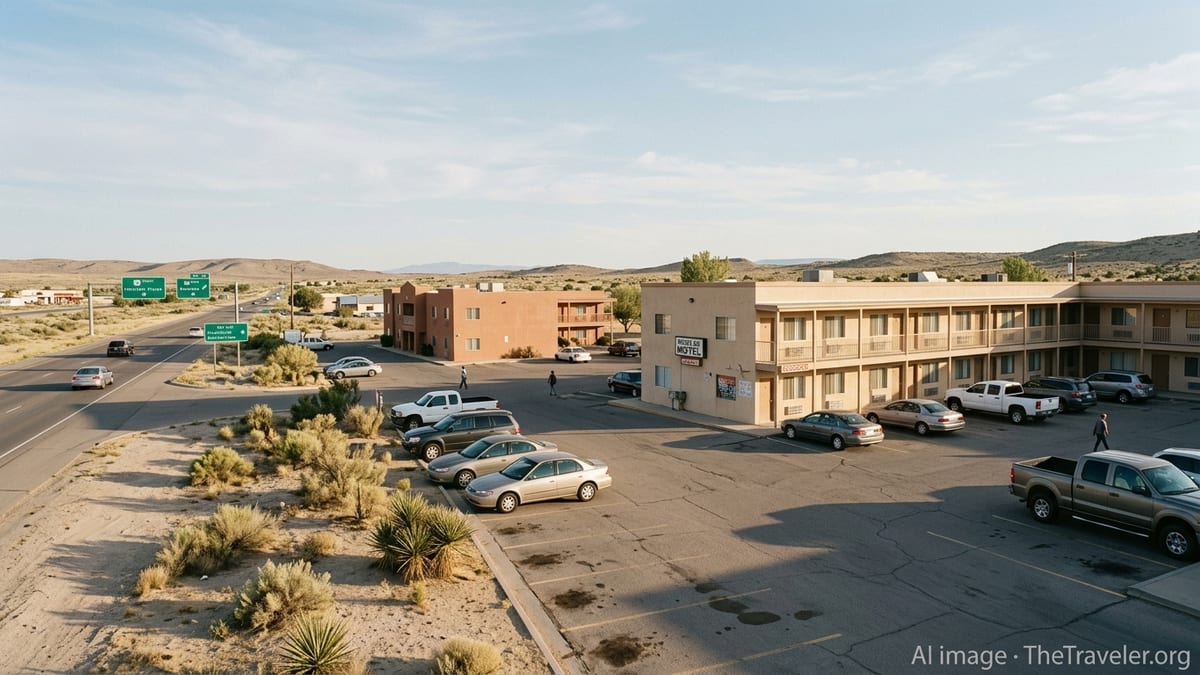
Two limited-service hotel properties in the U.S. Southwest have been brought to market with a combined asking price of approximately 8.6 million dollars, with hospitality specialist Steele Blue of Scoggin Blue Hotel Brokers leading the sales effort amid a cautiously improving lodging investment climate.
Get the latest news straight to your inbox!
Brokerage With Deep Regional Roots Targets New Investors
The listings are being handled by Scoggin Blue, a long-established hospitality brokerage based in Las Cruces, New Mexico, that focuses exclusively on hotel and motel assets. Publicly available firm information shows that Scoggin Blue has specialized in hotel valuation, marketing and sales for several decades in core Southwest markets, including New Mexico and Texas.
Associate broker Steele Blue represents a third generation of hotel specialists at the firm, which is part of the Hotel Brokers International network. Industry directories describe Scoggin Blue as a full-service advisory group, connecting regional hotel owners with both private and institutional buyers through national marketing channels and long-standing relationships within the lodging sector.
By listing two Southwest properties at a combined 8.6 million dollars, the brokerage is positioning the assets toward investors seeking operating hotels rather than ground-up development. The strategy reflects an ongoing shift in the market, where buyers increasingly prioritize stabilized or value-add properties over new construction in secondary and interstate corridor locations.
While the specific brands and street addresses tied to the 8.6 million dollar total have not been fully detailed in public summaries, related brokerage profiles highlight similar listings along Interstate 10 in West Texas and in small markets along key trucking and tourism routes. These types of assets are typically framed as opportunities to capture consistent drive-to demand with relatively modest capital outlays.
Southwest Corridor Hotels Appeal to Drive-to Demand
The Southwest region has remained a focal point for investors interested in highway and small-city hotels that capture traffic between major hubs such as El Paso, Tucson and Albuquerque. Industry coverage indicates that branded limited-service properties along these routes often benefit from a diversified guest mix including long-haul drivers, construction crews, regional business travelers and value-focused leisure guests.
Listings associated with Scoggin Blue’s team on commercial property platforms emphasize locations with direct access to interstate frontage roads, visibility from major highways and proximity to fuel stations and quick-service dining. These characteristics typically support steady midweek occupancy and cushion properties against seasonal swings that can affect purely leisure-driven destinations.
Market participants note that secondary Southwest markets can appeal to buyers priced out of larger Sun Belt cities, where cap rates have compressed in recent years. In contrast, smaller corridor towns may offer higher yields, albeit with thinner management and labor pools and a greater dependence on a limited range of demand drivers such as logistics, energy or regional manufacturing.
Capital requirements for these properties tend to be lower than for urban full-service hotels, which can make sub-5-million-dollar individual listings accessible to first-time hotel investors or owners seeking to expand from a single asset to a small portfolio. Scoggin Blue’s current activity around the two-property, 8.6 million dollar offering aligns with that segment of the market.
Pricing Reflects Stabilizing But Cautious Hotel Investment Climate
The combined 8.6 million dollar pricing for the two Southwest hotels comes as the broader U.S. lodging sector continues to recalibrate following pandemic-era volatility and shifting interest rate expectations. Recent hospitality research points to improving revenue per available room in many drive-to markets, but notes that higher borrowing costs and more selective lenders have tempered buyer enthusiasm.
Within this environment, brokers in the Southwest often seek to position listings at price points that can be financed through regional banks or Small Business Administration programs, rather than relying solely on large national lenders. The sub-10-million-dollar combined value of the two properties marketed by Steele Blue fits that profile, potentially widening the pool of prospective buyers.
According to recent transaction recaps and brokerage reports, investors are paying close attention to current performance metrics such as occupancy levels, average daily rate and trailing twelve-month operating income when evaluating smaller regional hotels. Assets that demonstrate consistent cash flow and manageable property improvement needs are attracting more interest than those requiring extensive repositioning.
The Southwest hotels now on offer appear to be pitched toward this pragmatic investor mindset, emphasizing accessible price points and existing demand patterns rather than speculative future growth. That approach is broadly consistent with how experienced regional firms such as Scoggin Blue have historically marketed hotel properties during periods of economic uncertainty.
What the Listings Signal for Regional Hospitality Trends
The decision to seek buyers for two independent but geographically aligned hotel assets underscores how owners in smaller Southwest markets are reassessing portfolio strategies. Some long-time operators are exploring partial exits to de-risk after years of volatility, while others look to recycle capital into newer properties or diversify into adjacent real estate segments such as extended stay or select-service urban infill.
For brokers, multiple-property assignments such as the 8.6 million dollar pairing managed by Steele Blue can create efficiencies in marketing and underwriting. Grouping comparable assets allows potential buyers to evaluate scale opportunities, such as shared management, purchasing and revenue strategies across corridor locations.
Industry observers view this type of activity as part of a gradual normalization of the hotel transaction market, where deal flow is returning but remains below peak levels in many regions. Southwest listings that fall within a manageable price band and are backed by established brokerages may play an outsized role in setting price expectations for similar assets coming to market later in the year.
As these two properties move through the marketing process, the level of investor interest and the eventual pricing achieved are likely to be watched as indicators of sentiment toward limited-service hotels in smaller Southwest cities. For Scoggin Blue and Steele Blue, successful placements would reinforce the firm’s position as a specialist intermediary in a niche but resilient slice of the U.S. hospitality landscape.