

More news on this day
A Scoot flight attendant has been sentenced to seven months in jail in Singapore after admitting to misappropriating nearly S$40,000 in cash from inflight food and beverage sales across hundreds of flights.
Get the latest news straight to your inbox!
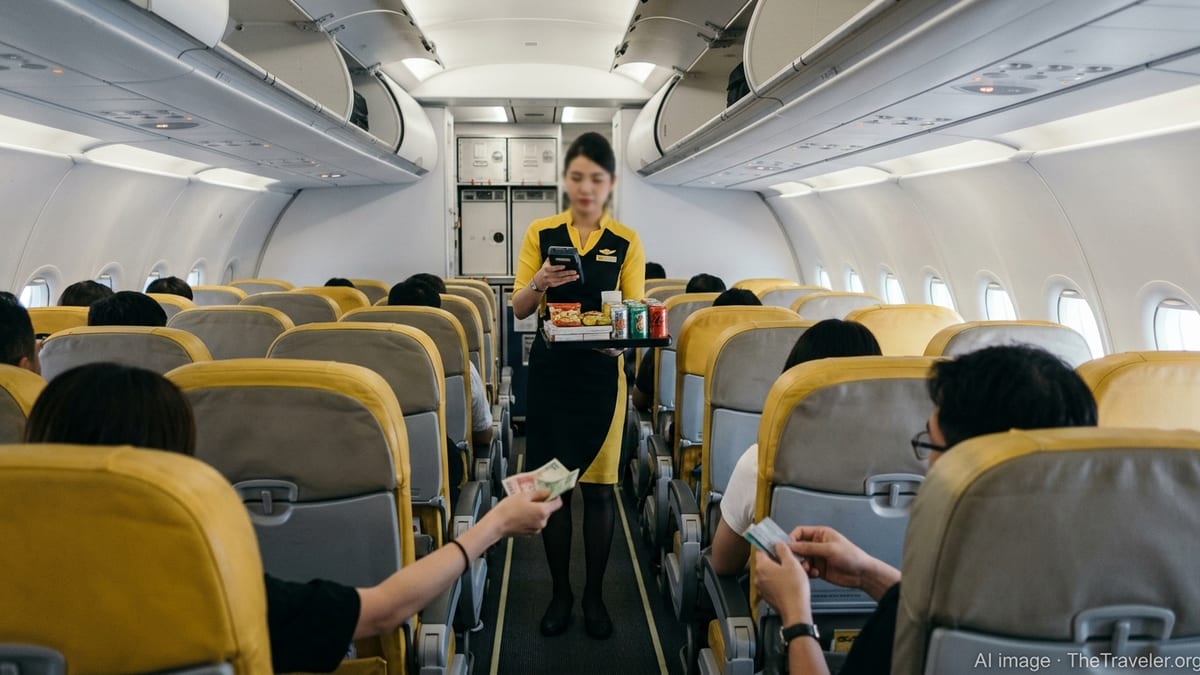
Cabin Crew Member Admitted to Repeated Cash Misappropriation
According to court reports, the Scoot cabin crew member, identified as Malaysian national Muhammad Luqman, siphoned off cash collected from onboard food and beverage sales over a span of about 21 months. The offences took place between July 2023 and April 2025, affecting hundreds of flights operated by the Singapore-based low-cost carrier.
Publicly available information shows that Luqman’s role included handling payments for snacks, meals and drinks sold during flights. Instead of remitting all of the cash takings back to the airline after landing, he retained a portion for himself on repeated occasions.
Court documents indicate that the total amount he misappropriated reached close to S$40,000. The pattern of offending involved 366 separate instances, underscoring both the frequency and systematic nature of the breach of trust.
The misappropriated sums were typically taken in small amounts from each flight’s earnings, which allowed the conduct to continue for months before it came to light.
Discovery of Irregularities and Internal Reporting
Published coverage indicates that discrepancies in inflight sales takings began to emerge during routine reconciliations and internal checks. Onboard cash from food and beverage transactions is meant to be carefully tallied against recorded sales, a standard practice in airline operations designed to prevent losses and detect anomalies.
As the gaps in reported cash grew more apparent, Scoot’s management reviewed the records more closely. The pattern of shortfalls that repeatedly coincided with flights staffed by the same crew member raised red flags.
Reports indicate that Luqman eventually came forward and admitted to taking the money. Following his disclosure, a representative of the airline lodged a report with the police in March 2025, triggering a formal criminal investigation into the conduct.
The case highlights how internal control systems, including regular audits and reconciliation procedures, remain central to uncovering financial misconduct in inflight retail operations, even when amounts are siphoned off gradually over a long period.
Sentencing Highlights Need for Deterrence
In Singapore’s State Courts, Luqman pleaded guilty to multiple charges of criminal breach of trust relating to the misappropriation of cash from inflight sales. Additional similar charges were taken into consideration during sentencing, a common practice in the jurisdiction.
Reports on the hearing indicate that the prosecution sought a custodial term on the basis that the offences involved a significant sum, extended over nearly two years and were committed by an employee in a position of responsibility and trust. The court ultimately imposed a seven-month jail term.
Publicly available information on the judgment suggests that general deterrence was an important consideration. The court noted that cabin crew and other airline staff are entrusted with handling cash and valuables at altitude, where passengers and fellow employees may have limited oversight over transactions and storage.
The sentence underscores Singapore’s broader stance on workplace dishonesty and financial offences, where custodial terms are often imposed when employees abuse their roles for personal gain or when misconduct is repeated over a sustained period.
Implications for Airline Operations and Passenger Confidence
While the misappropriated funds in this case came from food and beverage sales rather than from passengers’ personal belongings, the incident adds to a growing list of inflight crime cases that have drawn attention in recent years. Separate court cases in Singapore have involved passengers stealing large sums of cash and valuables from cabin bags on flights to Changi Airport, prompting carriers to reiterate advisories on securing hand luggage.
For airlines, repeated incidents of theft or misappropriation, whether by passengers or staff, risk eroding passenger confidence in onboard security and financial integrity. Carriers have responded by tightening internal controls, expanding the use of cashless payment options and reminding both crew and customers to remain vigilant.
Industry observers note that low-cost carriers with high volumes of short-haul flights and frequent onboard sales may face particular challenges. Large numbers of small cash transactions across multiple sectors create complex reconciliation demands and can make it harder to spot irregularities without robust systems and data analytics.
Singapore’s handling of such cases, through visible prosecutions and publicised sentencing outcomes, is viewed as part of a wider deterrent approach aimed at signalling that inflight offences committed within its jurisdiction will be treated seriously, whether they involve misappropriating airline revenue or targeting fellow travellers.
Reputation Management for Scoot and Singapore as an Aviation Hub
For Scoot, which operates as the low-cost arm of Singapore Airlines, the case presents both reputational and operational considerations. The carrier has built its brand around affordability and reliability, and any association with internal fraud risks undermining those messages.
However, travel industry watchers point out that the airline’s role in uncovering and reporting the misconduct also demonstrates the functioning of its compliance mechanisms. Prompt escalation to law enforcement, once irregularities were confirmed, aligns with expectations placed on carriers operating out of a major international hub.
Singapore, home to Changi Airport, remains a key aviation gateway in Asia and positions itself as a secure and well-regulated node in global air travel. Consistent enforcement of laws against inflight theft, fraud and related offences is seen as central to preserving that status, particularly as passenger volumes continue to recover and grow.
The sentencing of the Scoot flight attendant therefore resonates beyond a single case, feeding into broader conversations about integrity in inflight commerce, the importance of transparent reporting by airlines, and the continued emphasis on deterrence within Singapore’s legal framework for aviation-related crime.