

More news on this day
SeaDream Yacht Club is charting fresh courses across the Caribbean, unveiling an expanded lineup of yacht voyages that lean into St. Barths, the Virgin Islands and lesser-known isles to capture a new wave of luxury travelers.
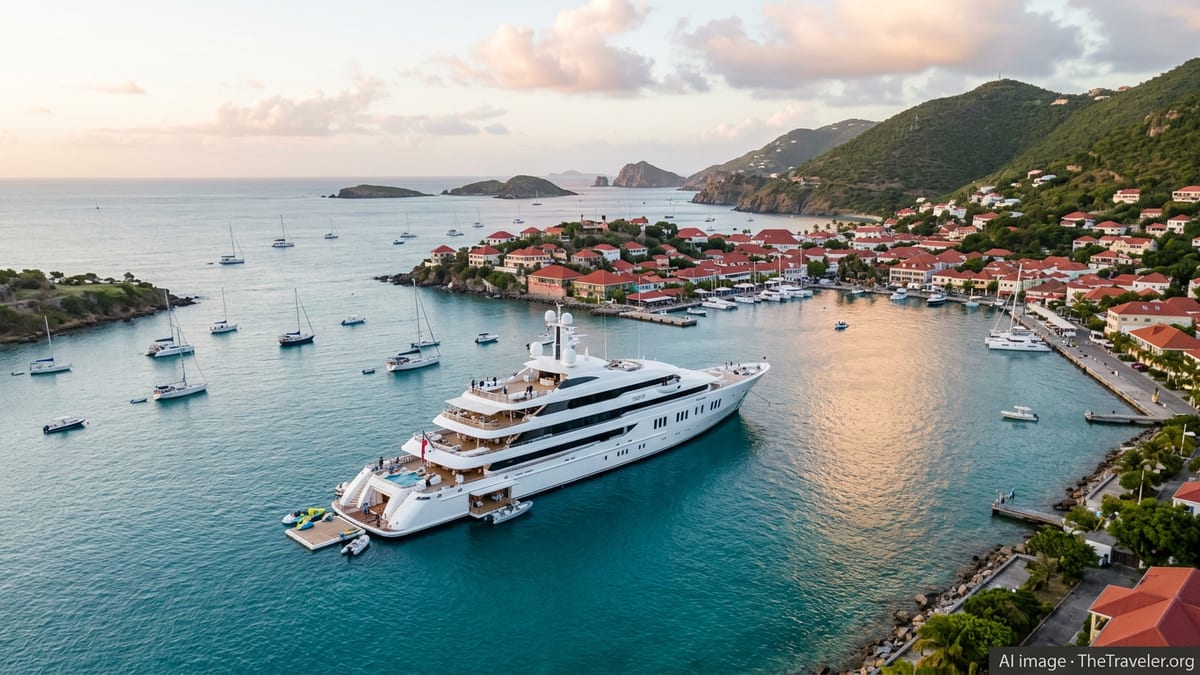
New Caribbean Seasons Put St. Barths Center Stage
The boutique line’s latest Caribbean programs, rolling out through 2026 and 2027, deepen its focus on small-ship yachting in the region, with itineraries that prominently feature Gustavia, St. Barths, alongside calls in the U.S. and British Virgin Islands. New 10 and 11 day journeys and extended Caribbean collections are designed to link marquee ports with quiet coves, positioning SeaDream as a niche alternative to traditional big-ship cruising.
Several of the newly promoted voyages are built around St. Barths as a marquee overnight, particularly during the festive and New Year periods. Guests aboard SeaDream I and SeaDream II spend multiple days anchored off Gustavia, joining a harbor filled with superyachts for one of the Caribbean’s most coveted holiday celebrations. The longer stays give passengers time to pair the island’s nightlife and shopping with relaxed beach time in more secluded bays.
By tightening its focus on a handful of high-demand islands and layering in extended calls, SeaDream is signaling confidence in the enduring pull of St. Barths and its neighboring archipelagos. The line’s strategy hinges on the idea that travelers will trade ship amenities for time at anchor in postcard harbors and the flexibility to come and go as they please by yacht tender.
Capacity remains modest, with each of the line’s twin yachts carrying fewer than 120 guests. Industry analysts say that restraint is part of the appeal for Caribbean ports wary of congestion, and it allows destinations such as St. Barths to welcome high-spend visitors without the operational pressures associated with large cruise ships.
Virgin Islands and Hidden Harbors Take a Bigger Role
Beyond St. Barths, the refreshed program gives new prominence to the Virgin Islands, long a stronghold for private yachts but increasingly attractive to upscale small-ship operators. SeaDream’s lineups thread through both the U.S. Virgin Islands and the British Virgin Islands, calling at favorites such as St. Thomas, Virgin Gorda, Jost Van Dyke and smaller outposts that rarely appear on mainstream cruise schedules.
Upcoming seasons feature itineraries marketed under “Best of British Virgin Isles & St. Barths” and similar banners, linking coral-fringed anchorages with short hops between islands. Days are often structured around the line’s water sports marina, which opens directly from the yacht’s stern and lets guests swim, paddleboard or sail within view of shore. In the Virgin Islands, where sheltered bays and clear water are a signature, the format is intended to mimic a private yacht holiday more than a conventional cruise.
SeaDream has also been quietly reintroducing smaller Caribbean communities to its route maps, including Iles des Saintes in Guadeloupe and Bequia and Mayreau in St. Vincent and the Grenadines. These harbors, more accustomed to sailing yachts and boutique expedition ships than mega vessels, fit the line’s narrative of “yachting, not cruising” and provide additional variety for repeat guests.
For local tourism boards, the appeal lies in arrivals that are measured in dozens of visitors at a time rather than thousands. Officials across the Virgin Islands have been pushing to balance mass-market calls with higher-yield tourism, and small-yacht deployments such as SeaDream’s are increasingly seen as a tool to spread economic benefits to marinas, independent tour operators and shore side restaurants.
Longer Voyages Aim at High-Spend, Slow-Travel Guests
A headline feature of the expanded Caribbean lineup is the introduction and wider marketing of longer yachting journeys, some stretching to 10 or 11 nights. These itineraries stitch together classic seven night routes, giving guests a more in-depth swing through the island chains without repeating too many ports.
Travel advisors say the shift toward longer voyages dovetails with a broader “slow travel” movement among affluent clients. Rather than sampling a different island every day, passengers on SeaDream’s extended sailings see more overnight stays and late departures, particularly in hubs such as St. Barths and the Virgin Islands. The result is more time for unstructured evenings on shore and less of the back on board by dusk pressure common on larger ships.
SeaDream executives argue that the longer sailings also help smooth seasonality and encourage guests to treat a Caribbean voyage as the centerpiece of a trip rather than a short add-on. By embarking in major air gateways such as San Juan or Bridgetown and then dispersing into smaller islands, the line can tap both North American and European markets seeking winter sun.
From a revenue standpoint, longer itineraries are a chance to lift onboard spending. More days at sea and at anchor support higher bar, spa and excursion sales, while the intimate scale of the yachts allows the company to maintain premium pricing. Industry observers note that this model relies on consistent demand from repeat guests, a segment SeaDream has cultivated over two decades in the region.
Impact on Caribbean Tourism and Port Development
The renewed emphasis on St. Barths and the Virgin Islands comes as Caribbean governments debate how best to manage visitor flows in a region still rebuilding from both hurricanes and pandemic disruption. While mega-ships grab headlines for record passenger counts, small-yacht deployments like SeaDream’s are quietly reshaping the upper end of the market.
Local officials in yachting hotspots have been investing in tender piers, mooring fields and marina upgrades tailored to vessels the size of SeaDream I and SeaDream II. These projects are less visible than new cruise berths but can be crucial in spreading arrivals beyond a handful of major ports. In destinations from Tortola to St. Barths, incremental infrastructure improvements are helping small ships anchor closer to town centers and beaches, enhancing the guest experience.
Tourism economists point out that yacht guests typically spend disproportionately on dining, boutique shopping and bespoke excursions. In St. Barths, that can translate into reservations at waterfront restaurants and designer boutiques; in the Virgin Islands, it may mean chartering catamarans, diving untouched reefs or booking private island beach days.
The risk, some planners caution, is that success in attracting high-end yacht traffic could accelerate price rises and strain local housing and labor markets. For now, however, most Caribbean islands courted by SeaDream appear to be leaning into the opportunity, emphasizing training for service staff and guides to meet the expectations of a clientele accustomed to personalized attention.
Competition Grows in the Luxury Yacht Cruise Segment
SeaDream’s Caribbean expansion unfolds against a backdrop of intensifying competition in the small-ship and yacht cruise space. Luxury brands and expedition lines have deployed more tonnage to the region, introducing their own yacht-style vessels and leaning on private-island experiences and extended stays to lure travelers.
In this environment, SeaDream is betting that its long-standing familiarity with St. Barths, the Virgin Islands and a matrix of secondary ports will remain a differentiator. The company’s itineraries thread through anchorages that require careful navigation and local knowledge, advantages that newer entrants may need time to match.
For travelers, the growing field of competitors has broadened options while keeping pressure on lines to refine and refresh their offerings. SeaDream’s decision to spotlight longer voyages, overnight calls and an explicitly yacht-like onboard ambiance is part of a broader effort to hold its ground in a segment that has become one of the most dynamic corners of Caribbean tourism.
As bookings open further ahead for 2026 and 2027, travel advisors report rising interest from clients who have already discovered big-ship cruising and are now looking for quieter, more exclusive ways to experience St. Barths, the Virgin Islands and their neighboring isles. For SeaDream and its Caribbean partners, those preferences are shaping the next chapter of regional tourism growth.